

When choosing livestock for your farm or homestead, durability is a key factor to consider. Some breeds handle harsh weather and tough conditions much better than others, making them more reliable and easier to care for in challenging environments.
This article highlights 13 hardy livestock breeds known for their ability to survive almost anything, helping you pick animals that stand strong through various challenges. Whether you’re new to raising animals or looking to improve your herd’s resilience, understanding which breeds are tough can make a big difference in your success.
Scottish Highlander Cattle
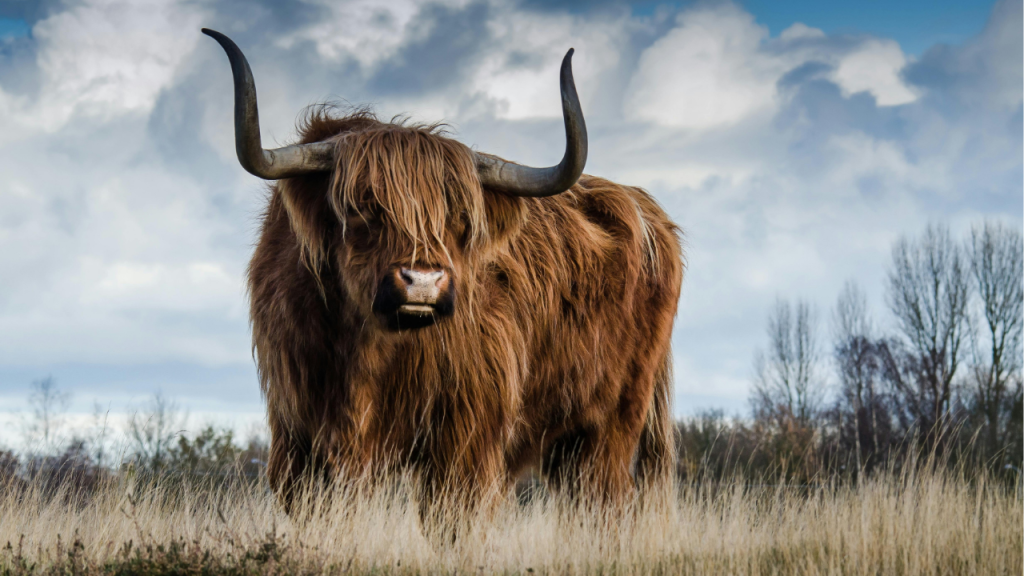
You’ll find Scottish Highlander cattle are perfect if you want hardy livestock. They come from the West of Scotland and are known for thriving in tough environments.
Their thick coat helps them handle cold and rough terrain with ease. These cattle are low-maintenance and can graze on sparse vegetation, making them great for survival situations.
Learn more about their hardiness and traits at the American Highland Cattle Association.
Texas Longhorns
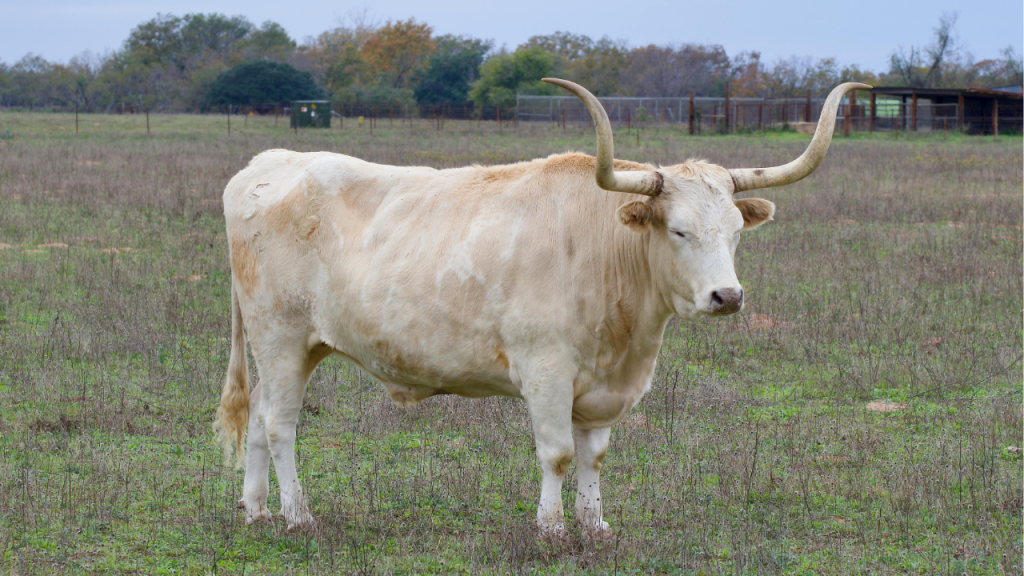
You’ll appreciate Texas Longhorns for their tough nature and adaptability. They thrive on rough land and need less water than many breeds.
These cattle are known for their long, impressive horns and ability to survive in hot, dry climates. They are a smart choice if you want hardy livestock that can handle challenging environments.
Learn more about their benefits at Texas Longhorns Australia.
Corriente Cattle
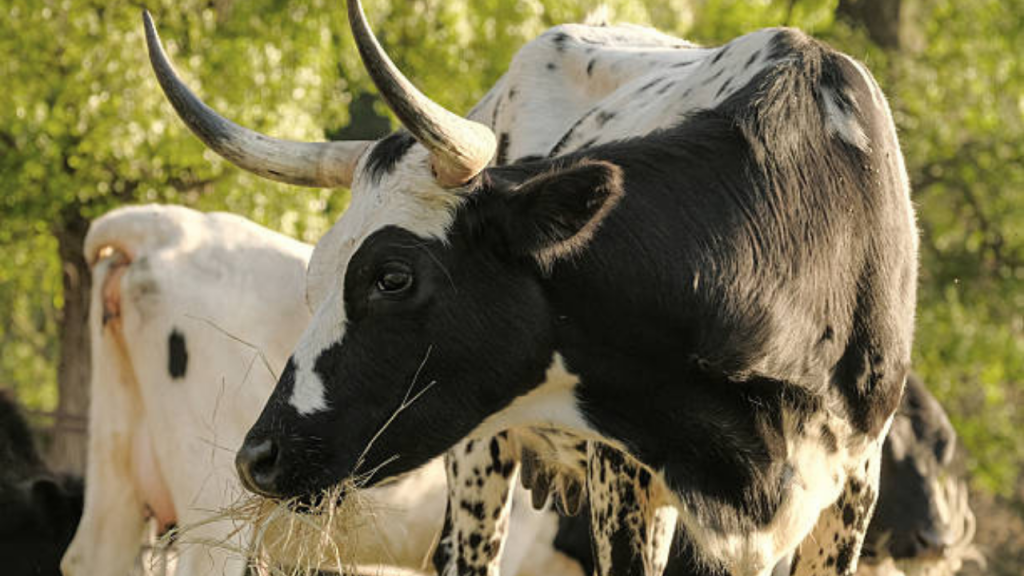
You’ll find Corriente cattle are tough and adaptable. They have a long history of surviving harsh conditions with minimal care.
These cattle handle heat and rough terrain well, making them great for challenging environments. They also have good resistance to common livestock diseases.
If you want a hardy breed that requires less intensive management, Corriente cattle might be a smart choice for your herd. Learn more about Corriente cattle here.
Limousin Cattle
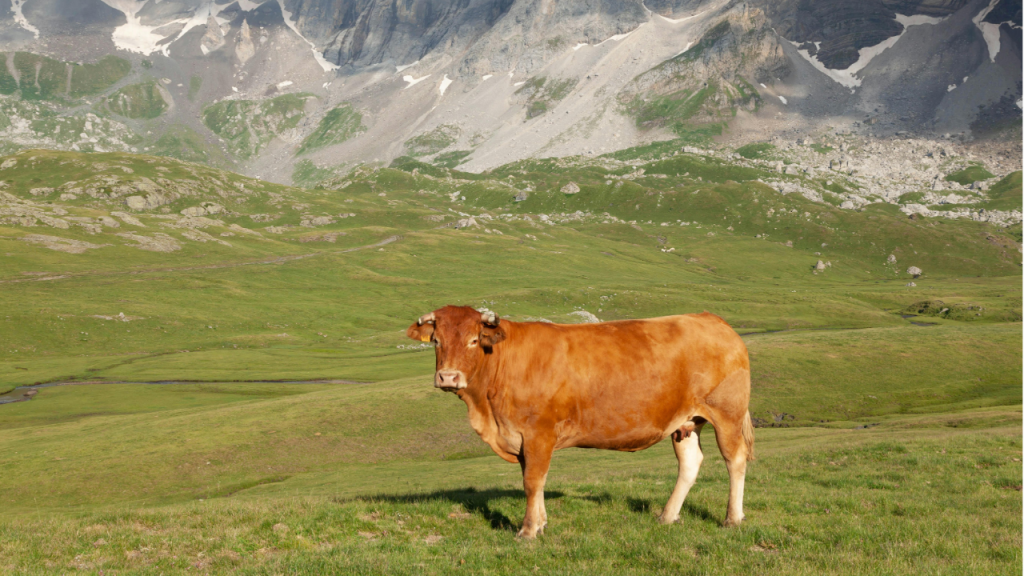
If you want a breed known for hardiness, Limousin cattle are a strong choice. They come from south central France and are known for their sturdiness and adaptability.
You’ll appreciate how they hold flesh well and calve easily, even into their teens. Limousin cattle also convert grass into quality meat efficiently, making them a practical option for your farm.
Learn more about their traits on this page about Limousin Cattle.
Angus Cattle
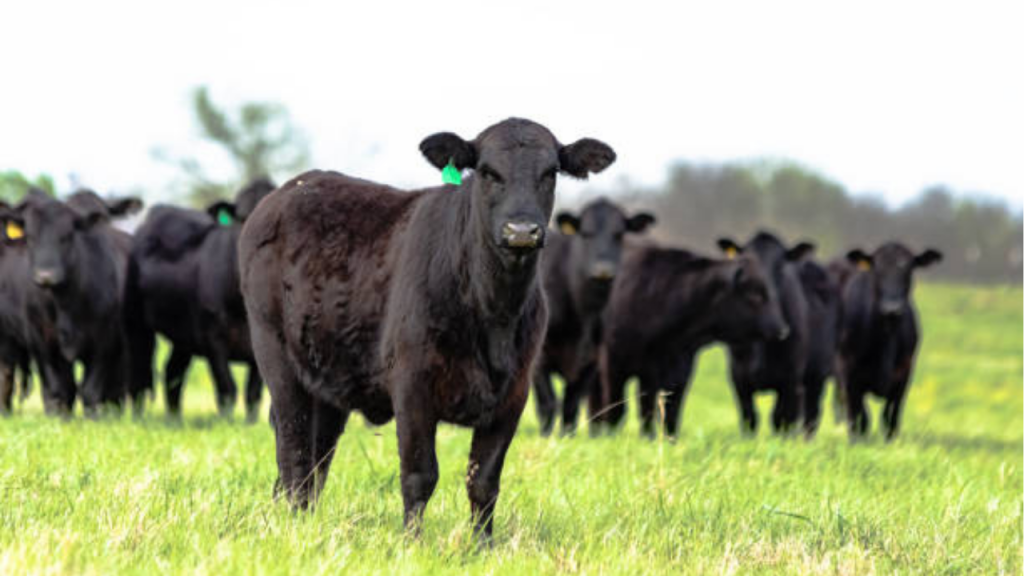
You’ll find Angus cattle are popular for their hardiness and adaptability. They handle a variety of climates well, making them reliable for many farmers.
They’re naturally polled, meaning they have no horns, which can make handling easier. Their history dates back to the early 1700s in Scotland, giving them a long record of toughness and productivity.
If you want a breed that balances resilience with quality beef production, Angus might fit your needs well. For more details, see this Angus cattle overview.
Hereford Cattle
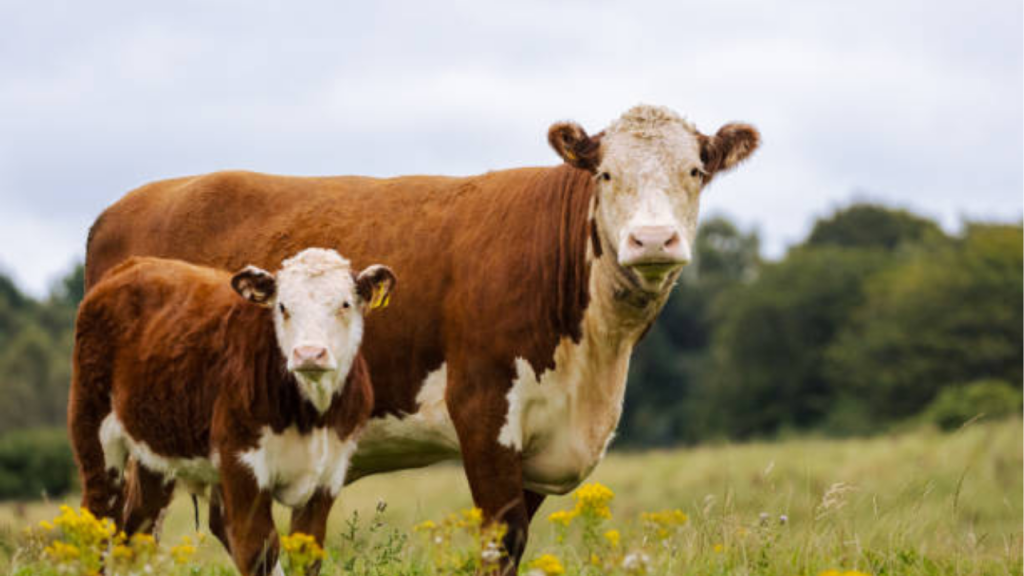
If you want a friendly and easygoing breed, Hereford cattle are a great choice. They are well-known for their quality beef and adaptability.
Herefords handle various climates well and are efficient feeders, which can make a difference on your farm. You can learn more about their traits at the American Hereford Association’s Hereford World.
Brown Swiss Cattle
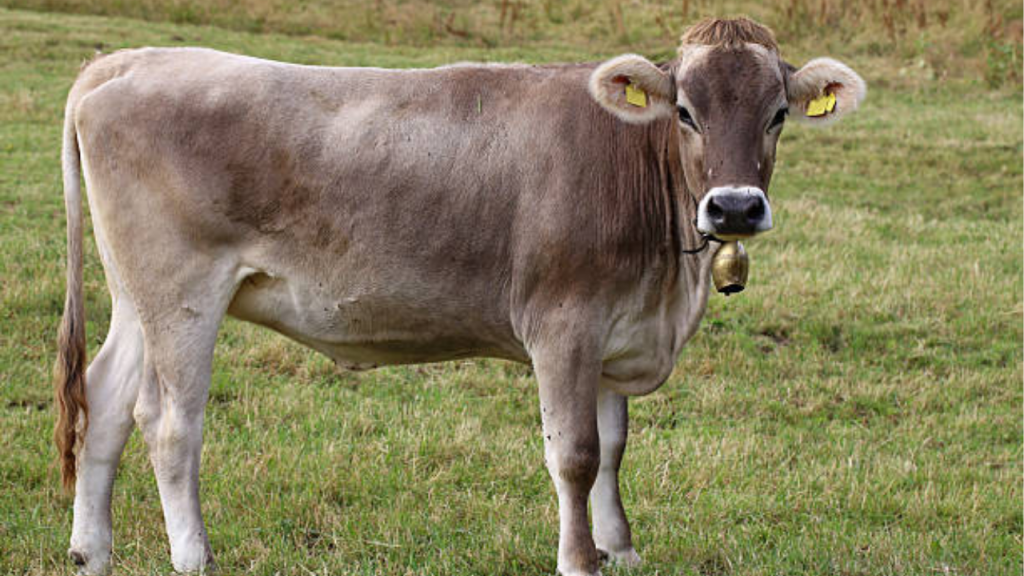
If you want a hardy and adaptable dairy breed, Brown Swiss cattle are a great choice. They are known for their longevity and low-maintenance care, making your farming easier.
These cows produce high-quality milk and are both docile and resilient. You’ll find them thriving in many climates and living longer than most dairy breeds.
Learn more about Brown Swiss cattle’s traits and benefits at Brown Swiss Association.
Charolais Cattle
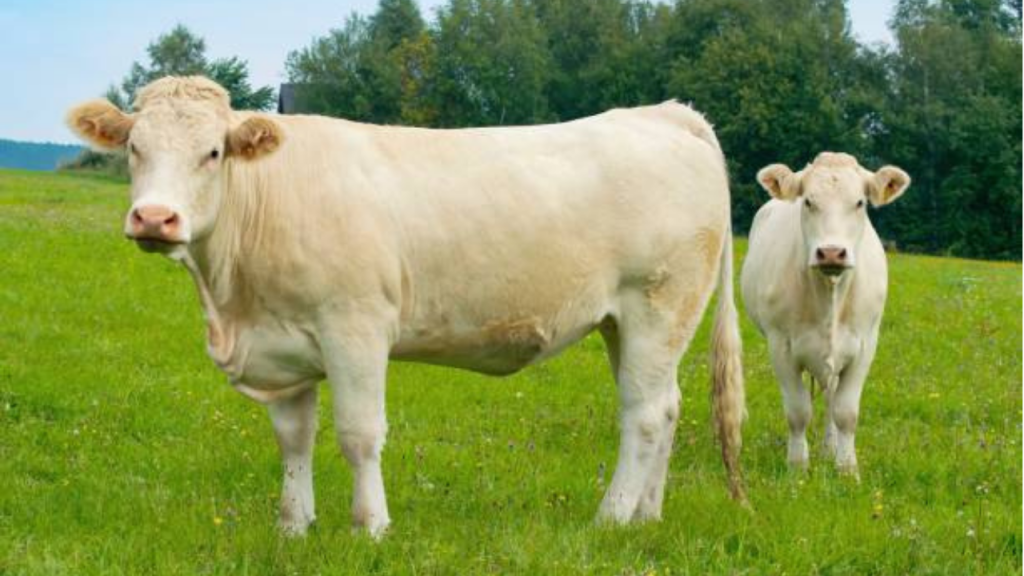
If you want cattle that adapt well to different feed types, Charolais could be a good fit for your farm. They are known for being easy to calve, which can make managing your herd simpler.
You should be aware, though, Charolais can sometimes be aggressive or unpredictable. It’s best to work with a reputable breeder to get cattle with good temperaments. Learn more about Charolais traits from this detailed overview.
Kiko Goats
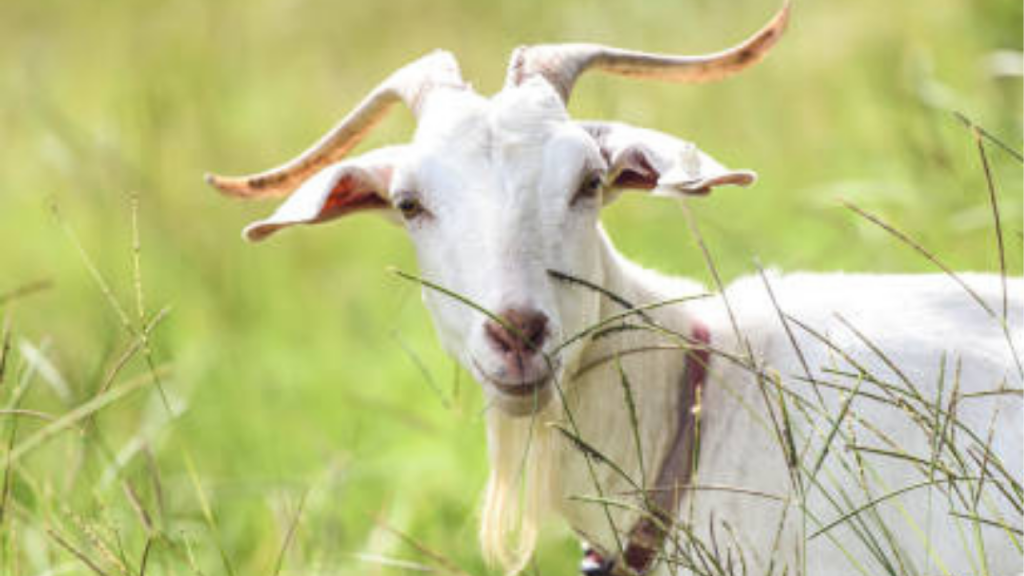
If you want goats that handle tough conditions well, Kiko goats are a solid choice. They’re known for their hardiness and strong parasite resistance, making them easier to care for.
You’ll find them good at managing stress in different environments, which helps when your herd faces changing weather or pasture quality. Learn more about their traits at Thrifty Homesteader.
Boer Goats
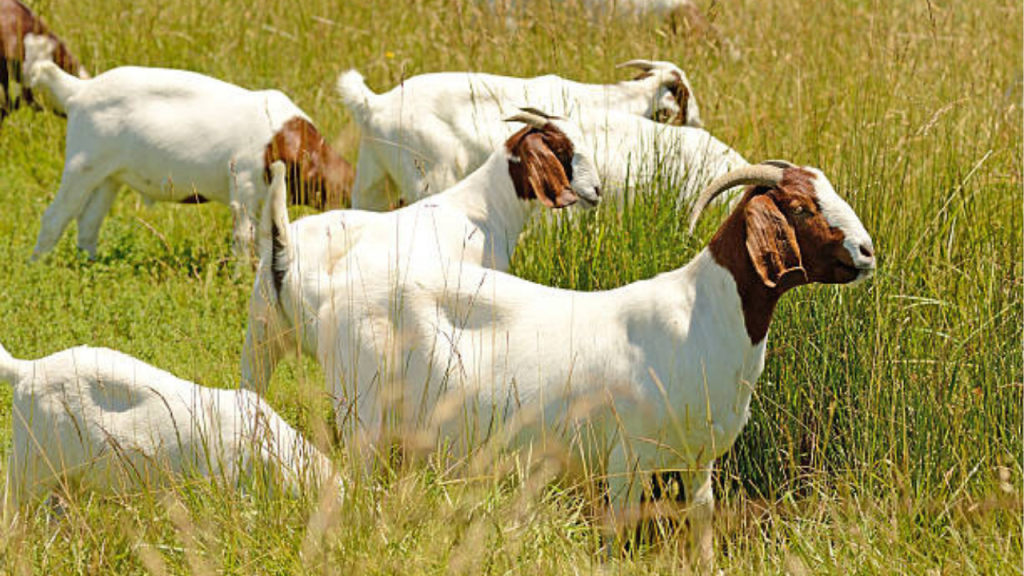
If you want a meat goat that grows fast, Boer goats are a popular choice. They adapt to many climates, but they do need regular care to stay healthy.
Boers live about 8 to 13 years with proper management. Be aware that they can be prone to certain health issues, so keeping an eye on their well-being is important for your success. You can learn more about Boer goats at raising Boer Goats – Successful Farming.
Icelandic Sheep
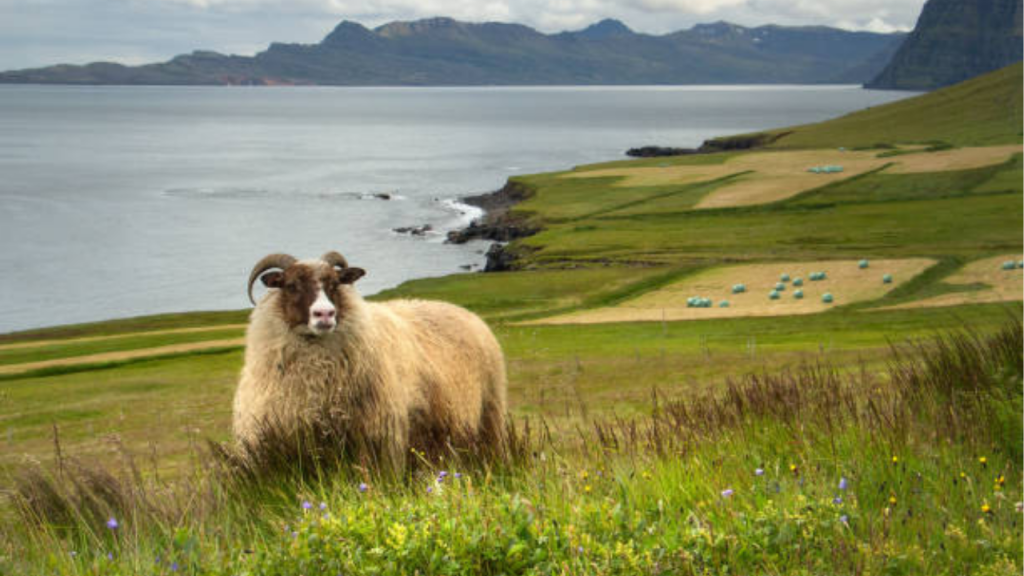
You’ll find Icelandic sheep tough and adaptable, bred to handle harsh weather and rugged terrain. They have a unique triple-purpose use, providing meat, wool, and milk to support your needs. Their wool is especially prized for warmth and durability, making them a valuable addition to your livestock. Learn more about the breed’s hardiness and versatility at Icelandic Sheep – Breeds of Livestock.
Suffolk Sheep
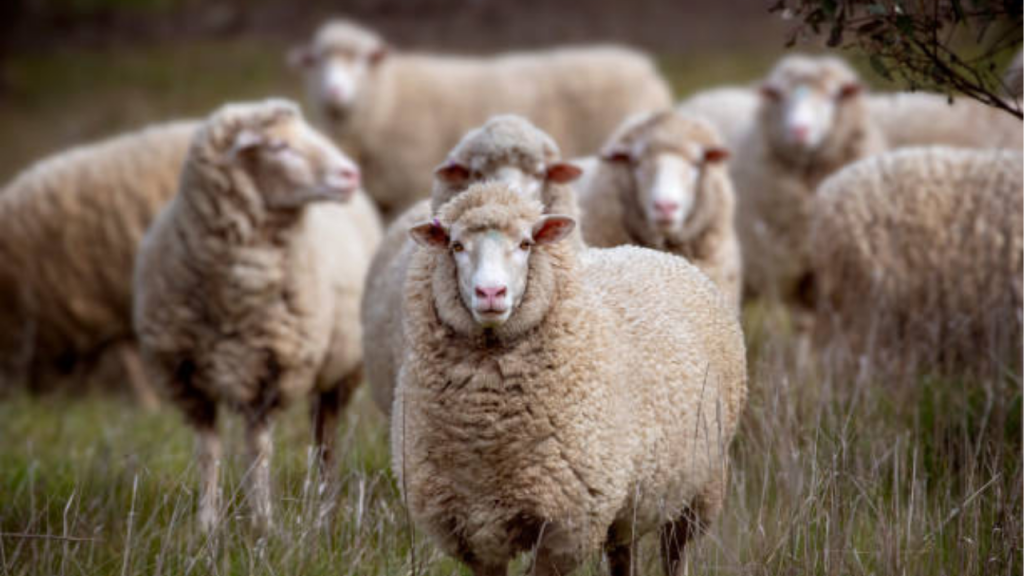
If you want a hardy sheep that grows quickly, Suffolk sheep are a solid choice. They are known for producing large, healthy lambs that thrive in many conditions.
You’ll appreciate their sturdy build and strong resistance to common illnesses. Suffolk sheep are also great if you want both meat and durability on your farm.
Learn more about their traits on the Farmbrite site.
Navajo-Churro Sheep
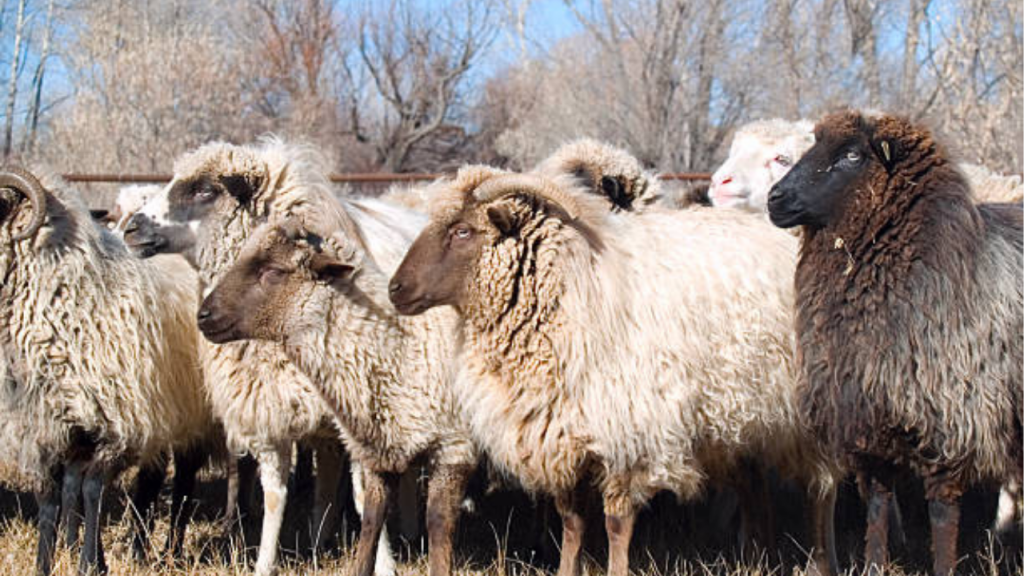
You’ll find Navajo-Churro Sheep are tough and adaptable. They thrive in harsh environments where other sheep might struggle.
These sheep have a strong heritage and can handle changing weather and sparse grazing. If you want livestock that’s low-maintenance but hardy, Navajo-Churro Sheep could be a good choice. Learn more about their resilience at Dot Ranch.
Leave a Reply