

Raising pigs can be a rewarding experience, whether you’re starting a small homestead or looking to expand your farm. While pigs are often seen as easy animals to care for, there are many little-known details that can make a big difference in your success.
You’ll learn practical insights that most guides don’t mention, helping you avoid common pitfalls and better understand what pigs really need. Knowing these behind-the-scenes tips will save you time, effort, and stress as you raise healthy, happy pigs.
Pigs are surprisingly low maintenance compared to other livestock
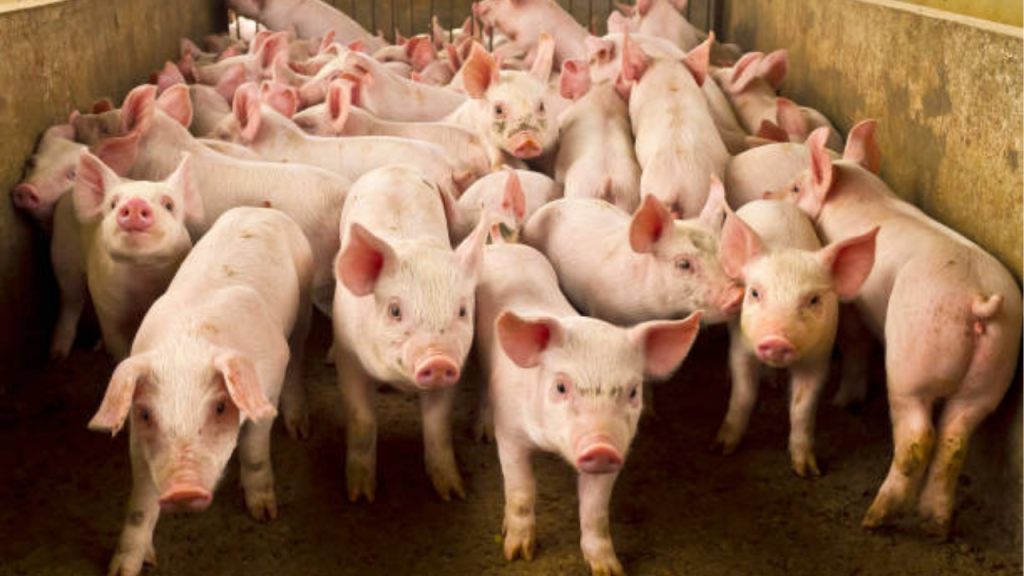
When you raise pigs, you’ll find they don’t need constant attention like some animals do. They are hardy and adapt well to different environments.
You’ll need to provide regular food, water, and a clean space. But pigs don’t require daily grooming or complicated care routines.
Compared to goats or cows, pigs are easier to manage, especially if you have limited farming experience. See more about pig care here.
You don’t need to milk, shear, or vaccinate pigs regularly like other farm animals.
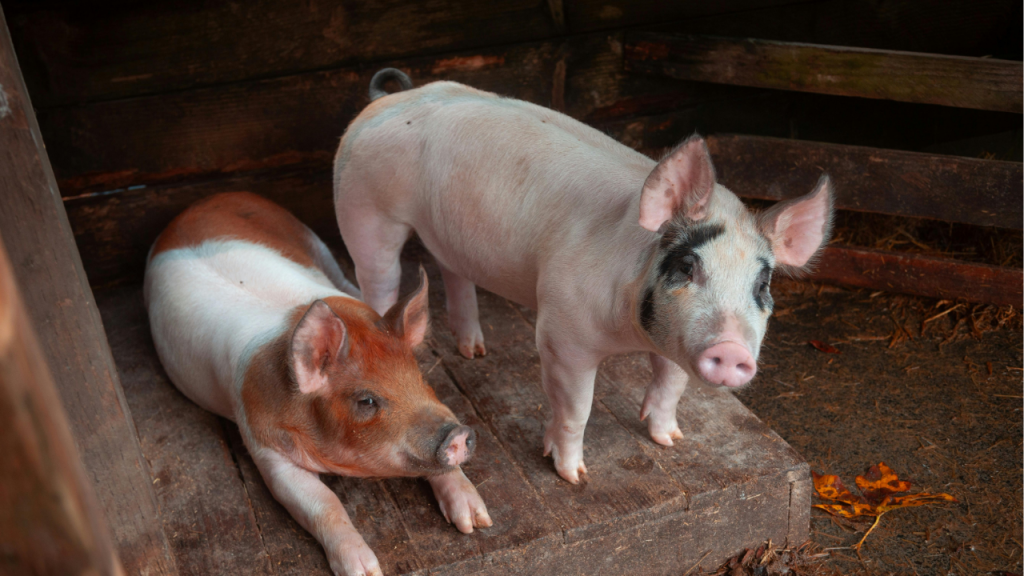
You won’t have to milk or shear pigs, which makes them easier for beginners to manage. Unlike cows or sheep, pigs don’t provide milk or wool, so those tasks are unnecessary.
Vaccination is essential but not on a strict routine like some animals. You just need to follow basic health care practices to keep your pigs healthy. For more details on pig care, check this livestock manual.
Pigs are incredibly smart and can be trained with patience and consistency.

You might be surprised how intelligent pigs are. They learn quickly, especially when food motivates them.
Training your pig takes patience and consistency, like with any smart animal. You can teach them simple commands and even litter training.
With time and care, your pig can become a well-behaved companion, showing just how clever they truly are. For more on pig intelligence and training, see this detailed video.
Building bomb-proof fencing is essential to keep pigs secure and happy.
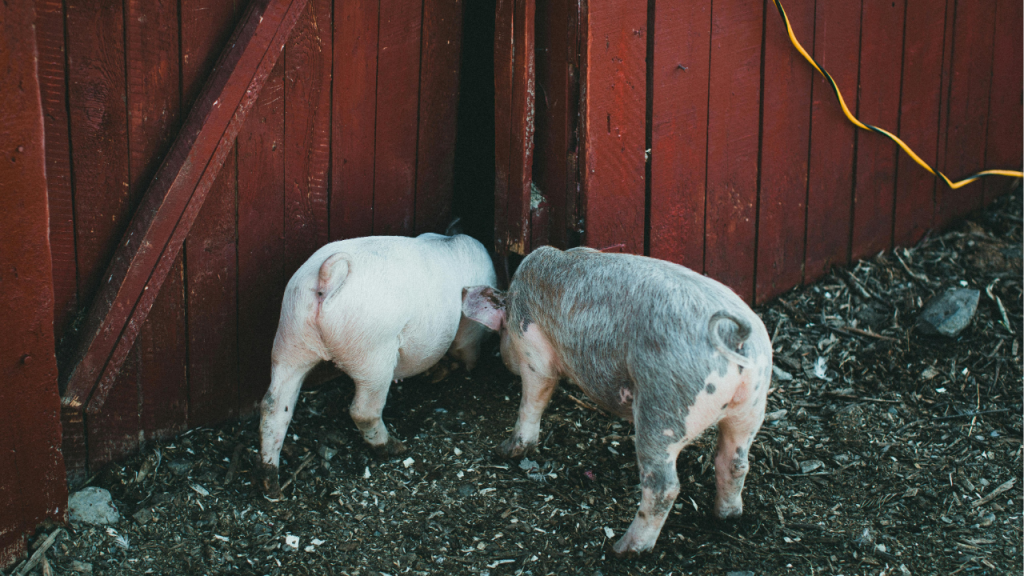
You need strong fencing to keep your pigs safely contained. Pigs are smart and can easily break weak or poorly built fences.
A sturdy fence also protects them from predators and prevents them from wandering off. Investing time in building a reliable fence saves you stress later.
Learn how to build effective pig fencing for your farm with guidance on building a pig proof fence.
Pigs need a large area with plenty of food, water, and companionship to thrive.
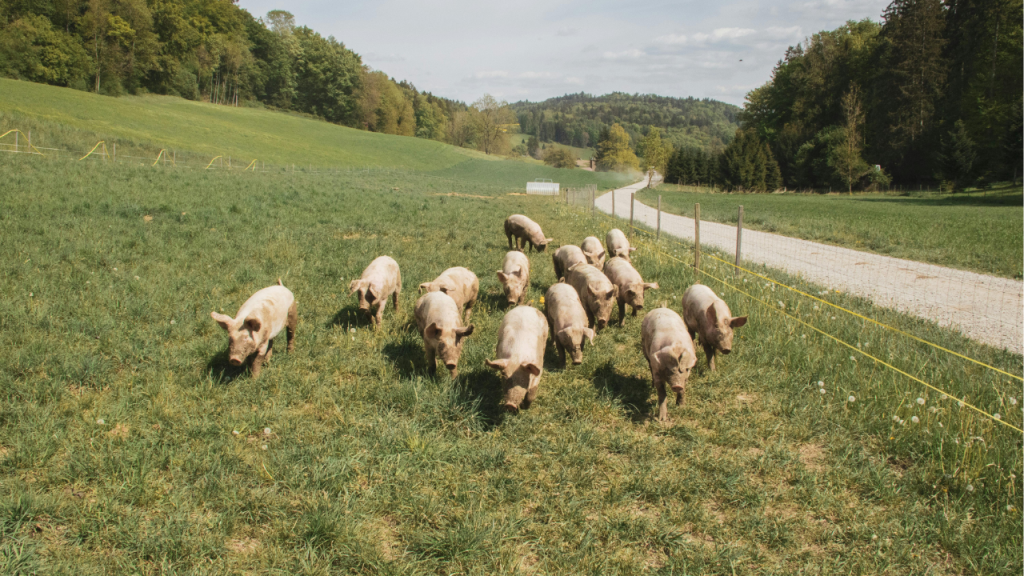
You should provide your pigs with plenty of space to roam and root around. Crowded conditions can cause stress and health issues.
Make sure fresh water is always available, along with enough food to meet their nutritional needs. Pigs also benefit from companionship, as they are social animals who enjoy interaction.
For more tips on pig care, see this guide on raising pigs.
Pigs have strong jaws and can break weak fences easily, so invest in sturdy materials.
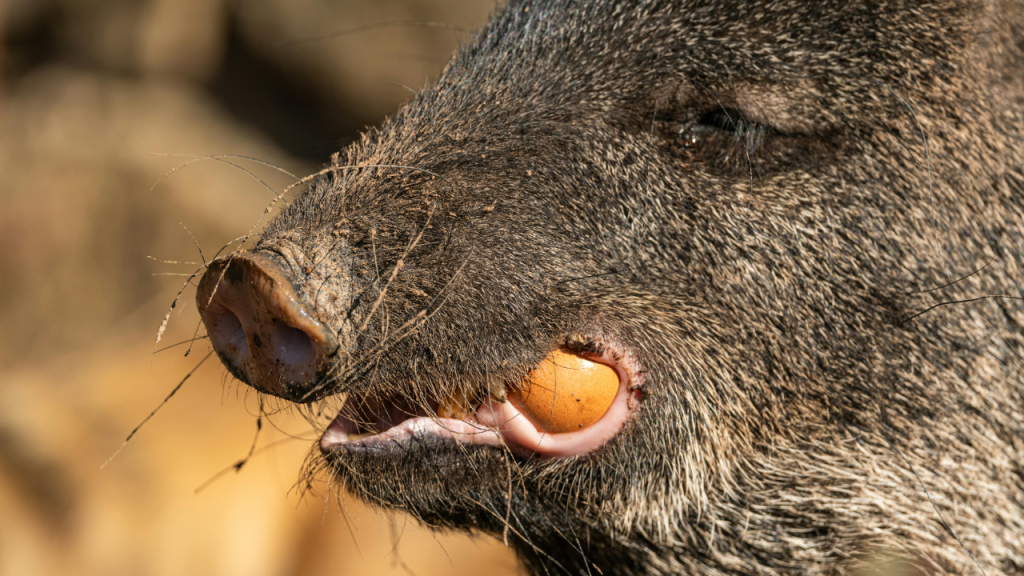
You’ll quickly learn that pigs have powerful jaws and sharp teeth. They can bend or break weak fences if you’re not careful.
Make sure you use strong materials like heavy-duty wire or reinforced panels. This helps keep your pigs safe and contained.
A sturdy fence saves you trouble and protects your animals from escaping or injury. For more tips on fencing, check out the best fencing options for pigs.
They won’t naturally come inside or go outside on command—they’ll roam if allowed.
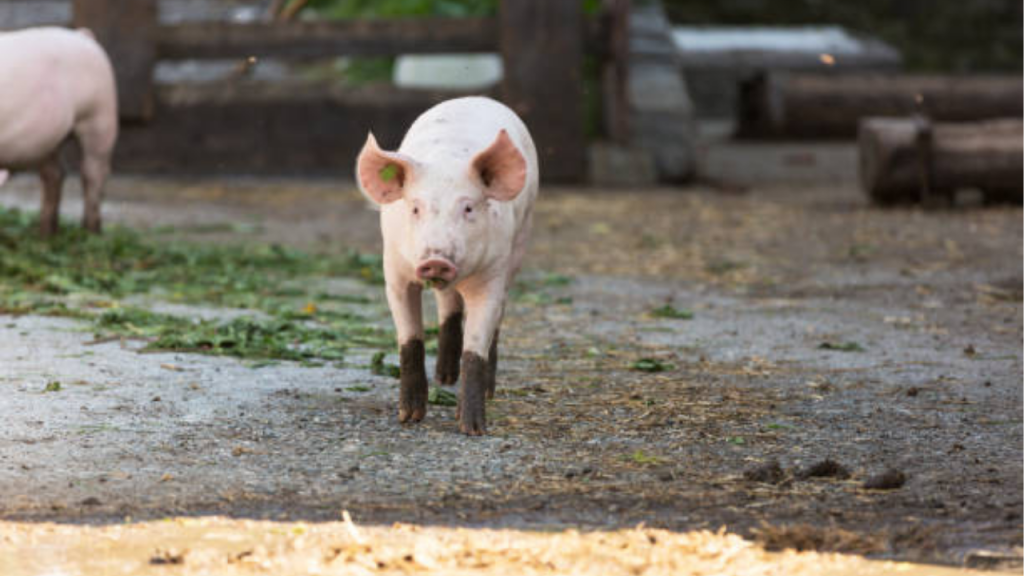
You can’t expect pigs to follow you indoors or outdoors like pets. They are curious animals and will explore freely if given the chance.
If you want them in a specific area, you’ll need secure fencing. Otherwise, your pigs will roam wherever they please, sometimes far from home.
Pigs respond remarkably well when they feel safe and aren’t stressed or threatened.
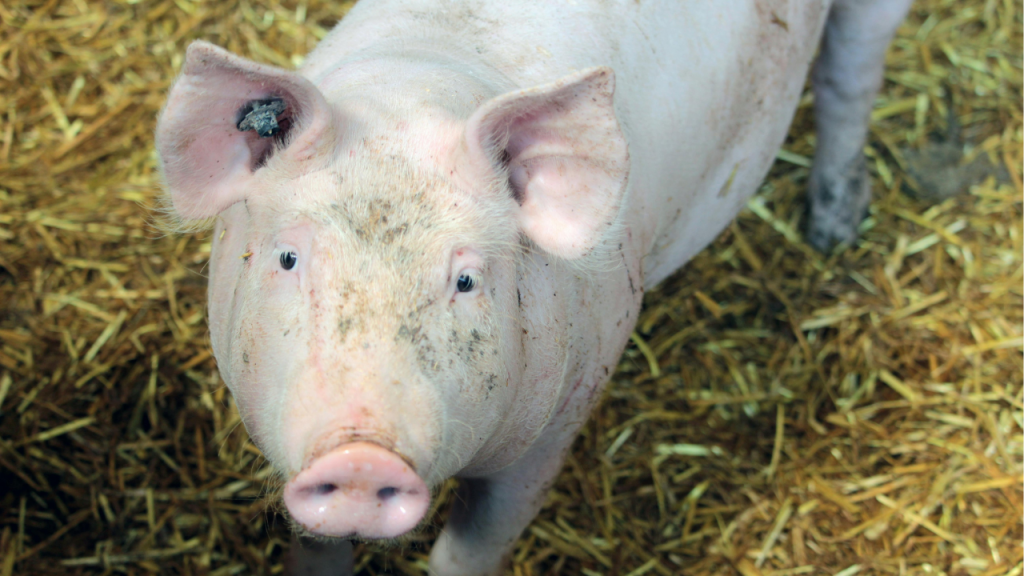
When your pigs feel secure, they become calmer and easier to handle. Stress can make them nervous or aggressive, which slows their growth and affects their health.
Creating a peaceful environment with consistent care helps your pigs thrive. Simple routines and gentle interactions reduce stress and build trust. For more on this, see raising pigs in a calm setting here.
Despite stereotypes, many pigs are sweet and enjoy interacting with humans
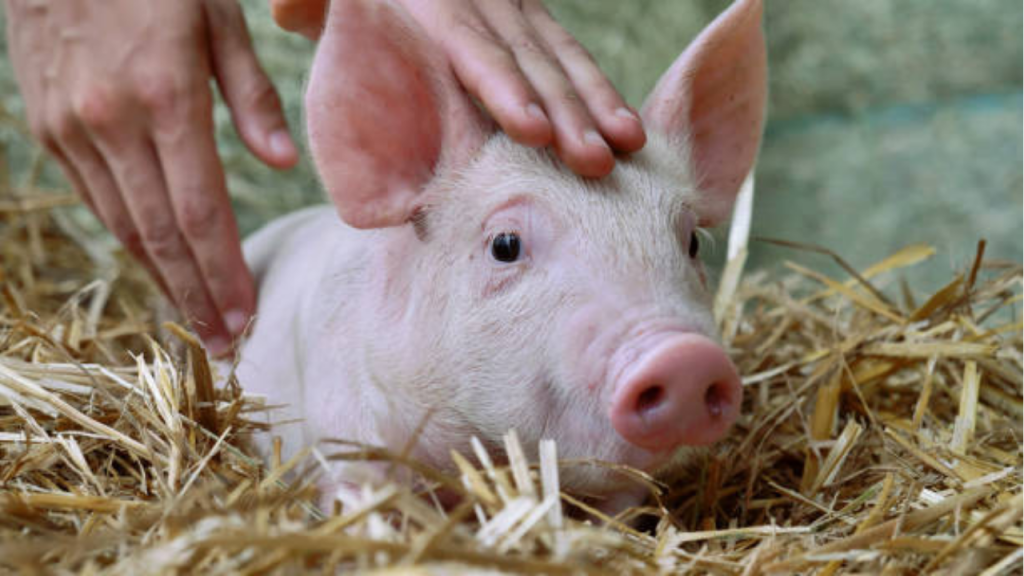
You might expect pigs to be dirty or unfriendly, but many are actually quite sweet. They are curious animals that can form strong bonds with people.
If you spend time with a friendly pig, you’ll see they enjoy attention and even play. Their intelligence means they can learn to recognize you and respond to your voice.
Interacting with pigs can be a surprisingly delightful experience, especially when you understand their gentle nature. For more, check this video on pig farming.
Pigs will try to eat anything they see as food, so be mindful where you keep them.
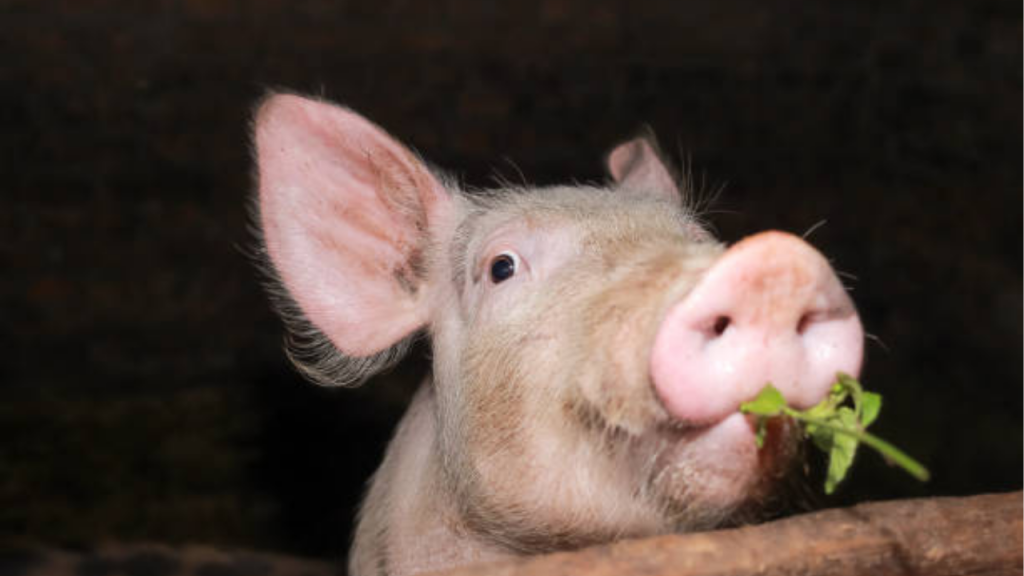
You need to keep a close eye on where your pigs roam. They are curious and will try to eat almost anything edible they find.
Make sure their enclosure is free from harmful objects, chemicals, or spoiled food. This helps keep your pigs safe and healthy.
Containing their space well also prevents them from wandering into areas where they might get into trouble or damage your garden.
You’ll need to take out a loan or save up for proper fencing—cheap barriers won’t do.
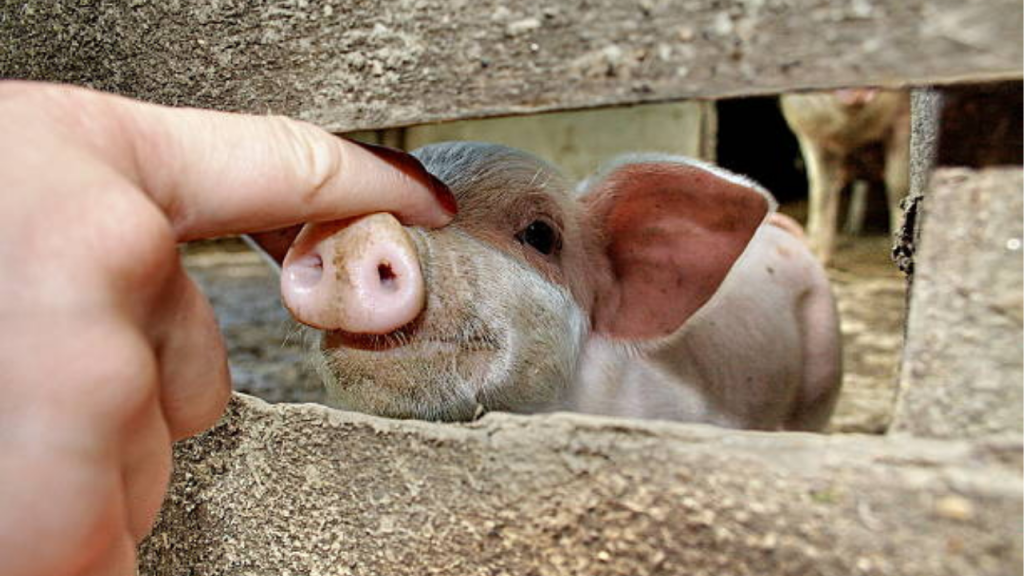
Pigs are strong and clever, so cheap fences often won’t hold them in. You’ll need sturdy materials like electric two-strand fencing or cattle panels with a hot wire to keep them safe and contained.
Investing in good fencing upfront saves you time, frustration, and money on repairs later. Learn more about effective pig fencing ideas here.
Pigs are natural foragers and love rooting in the dirt, so provide enrichment
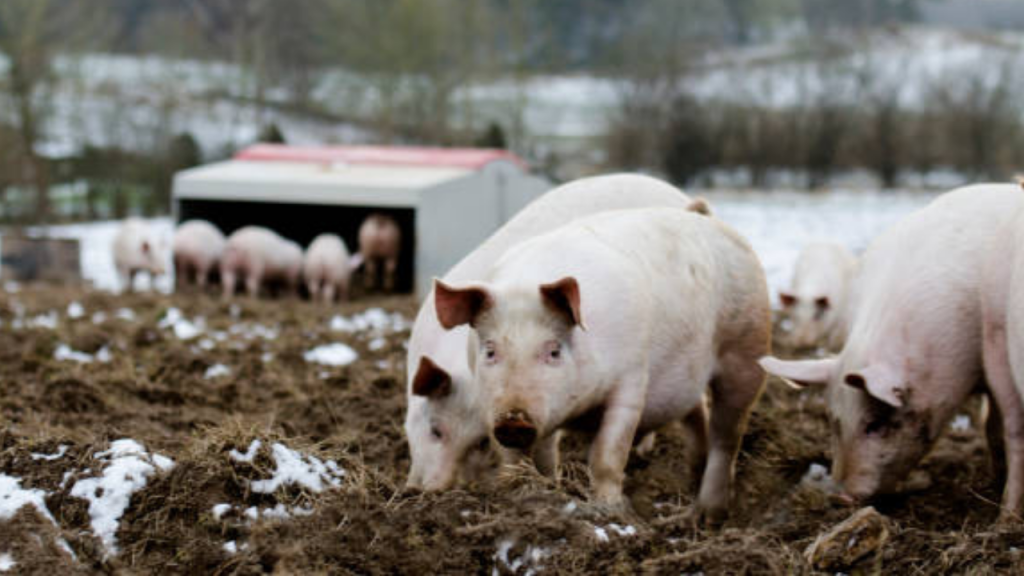
Your pigs have a strong instinct to root and dig in the soil. This behavior keeps them happy and mentally stimulated.
Provide plenty of space and fresh ground for them to explore. You can also scatter treats or food to encourage natural foraging.
Adding enrichment like logs, mud wallows, or toys helps prevent boredom and destructive habits. Giving your pigs these outlets supports their well-being and natural behavior. For more details, see raising pigs as natural foragers.
They don’t require daily immunizations but do need regular health checks
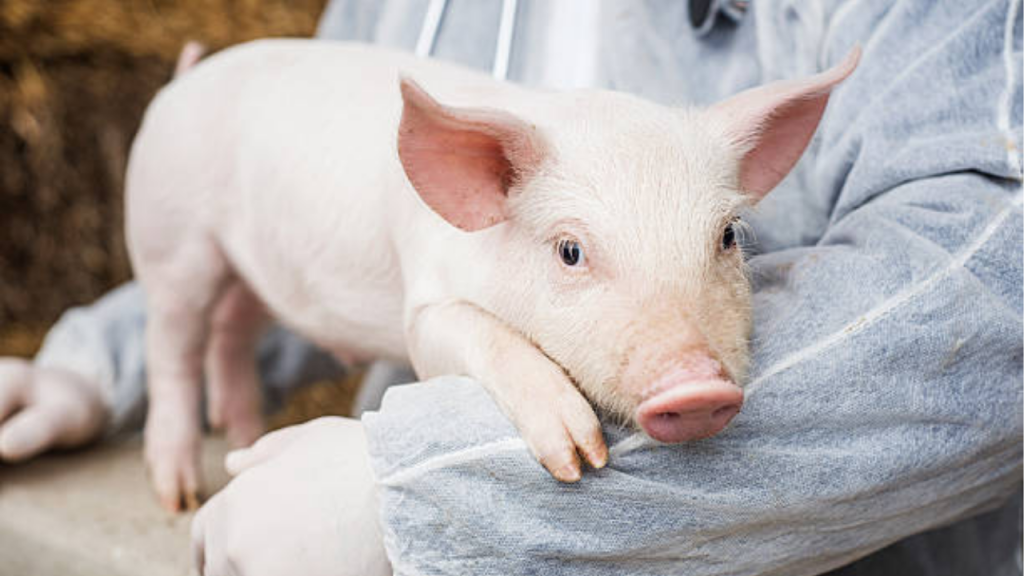
You won’t need to give your pigs immunizations every day. Instead, focus on scheduling regular health checks to catch any issues early.
Keep an eye on their behavior, appetite, and skin condition. If something seems off, consult a vet promptly. Healthy pigs grow better and are less prone to illness. For more on vaccination strategies, visit vaccination strategies for pigs raised on small farms.
Social pigs can get lonely, so it’s best to raise them in pairs or groups.
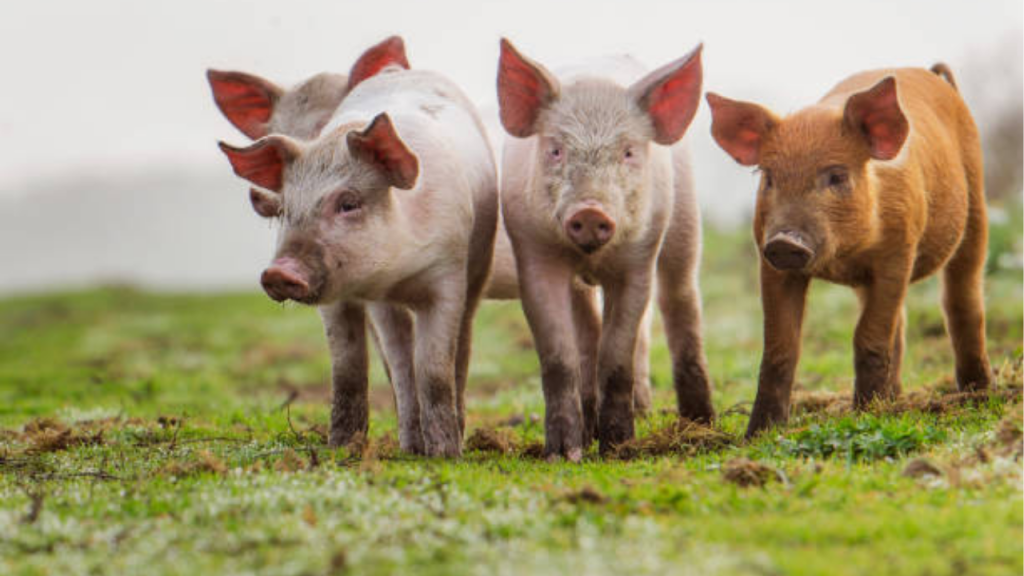
You’ll notice pigs are naturally social animals. Keeping them alone can lead to boredom and stress.
Raising pigs in pairs or small groups helps them stay happy and active. They enjoy interacting and playing with each other.
If you want healthy, content pigs, providing companionship is important for their well-being. You can learn more about this at Quora’s guide on raising pigs on grass.
A happy pig rarely tries to escape if their needs are met and their environment is safe.
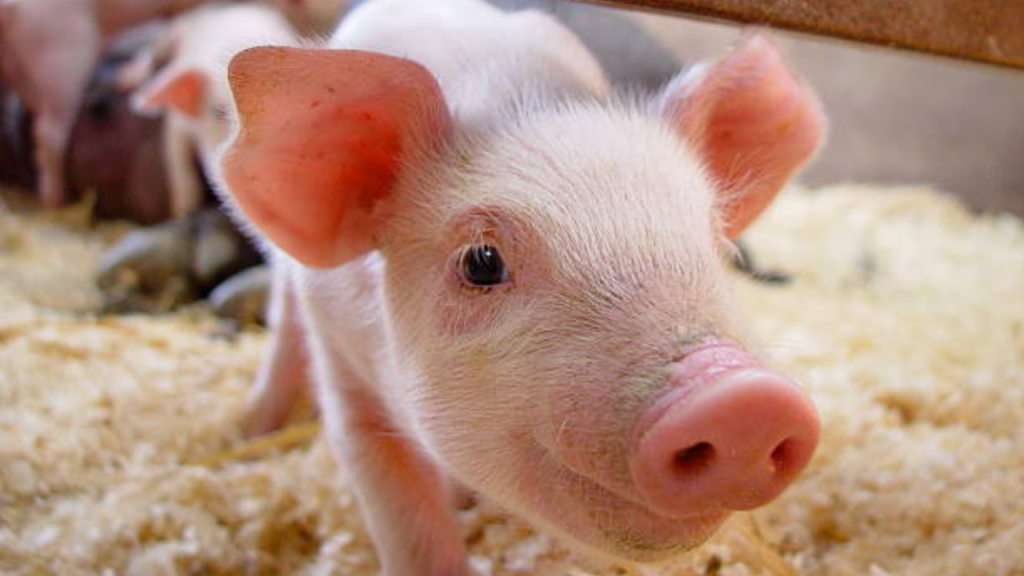
When you provide your pigs with enough space, food, and water, they usually stay calm and content. Pigs are curious but won’t try to escape if their environment feels safe.
Creating a comfortable environment with shelter and a cool spot helps keep your pigs relaxed. Meeting their basic needs reduces stress and prevents escape attempts.
Leave a Reply