

If you have goats, it’s important to recognize when something might be wrong with their health. Goats can hide signs of illness, so knowing what to look for helps you act early and keep them healthy.
This article will help you identify common signs that your goat might be sick and guide you on what steps to take. Understanding these signals can make a big difference in how you care for your animals and protect their well-being.
Lethargy or unusual tiredness
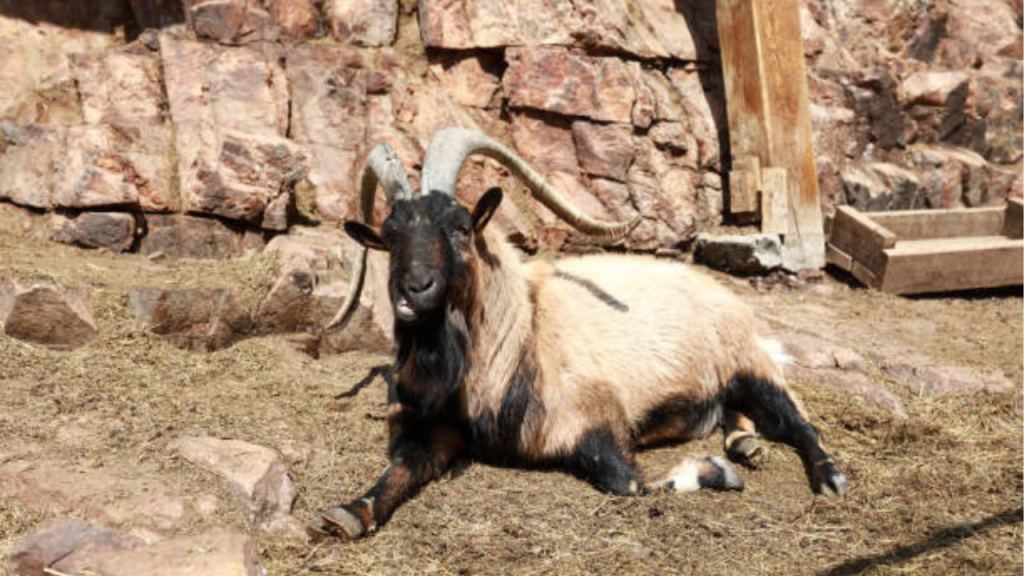
If your goat seems unusually tired or moves slowly, it could be a warning sign. Goats are typically active and curious, so lack of energy stands out.
You might notice your goat resting more or not joining the herd. This behavior can indicate illness or discomfort that needs attention.
Pay close attention if your goat appears weak or uninterested in normal activities, as these can be early signs of health issues. For more, see signs of illness in goats.
Loss of appetite or not eating

If your goat suddenly stops eating or shows little interest in food, it could be a sign of illness. This behavior often indicates discomfort or an internal problem.
Watch for consistent refusal of treats or hay, as it might mean your goat is feeling unwell.
If you notice this, check for other signs and consider contacting a vet to ensure your goat gets the care it needs. For more details, see signs of illness in goats.
Sudden weight loss
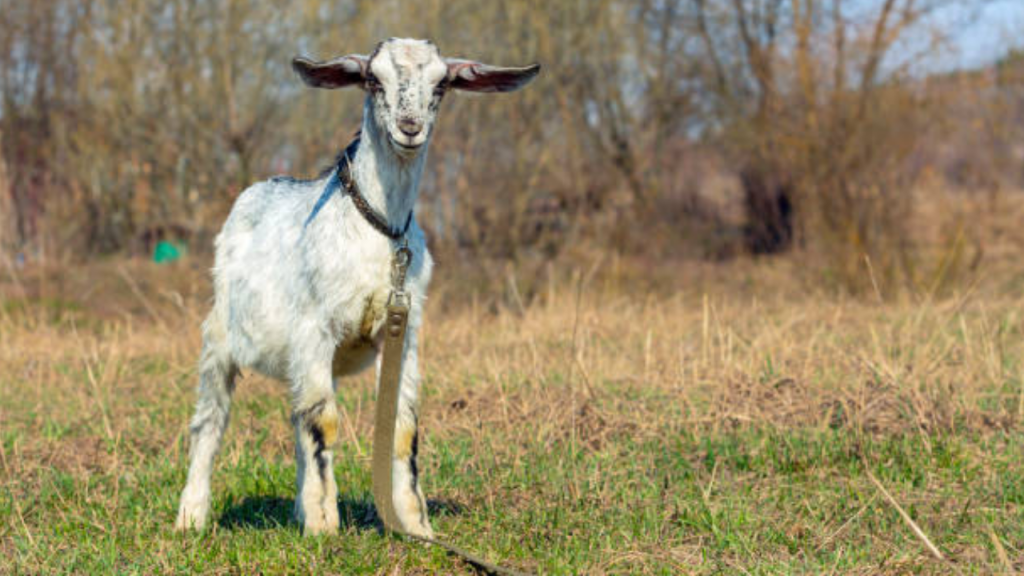
If your goat starts losing weight quickly, it’s a warning sign you shouldn’t ignore. This can happen due to parasites, infections, or diseases like CAE virus.
Check for other symptoms like weakness or changes in appetite. If you notice sudden weight loss, contacting your vet is important to find the cause and start treatment promptly.
Learn more about goat wasting and its causes at Wasting in Goats – WormBoss.
Bulging or bloated left side
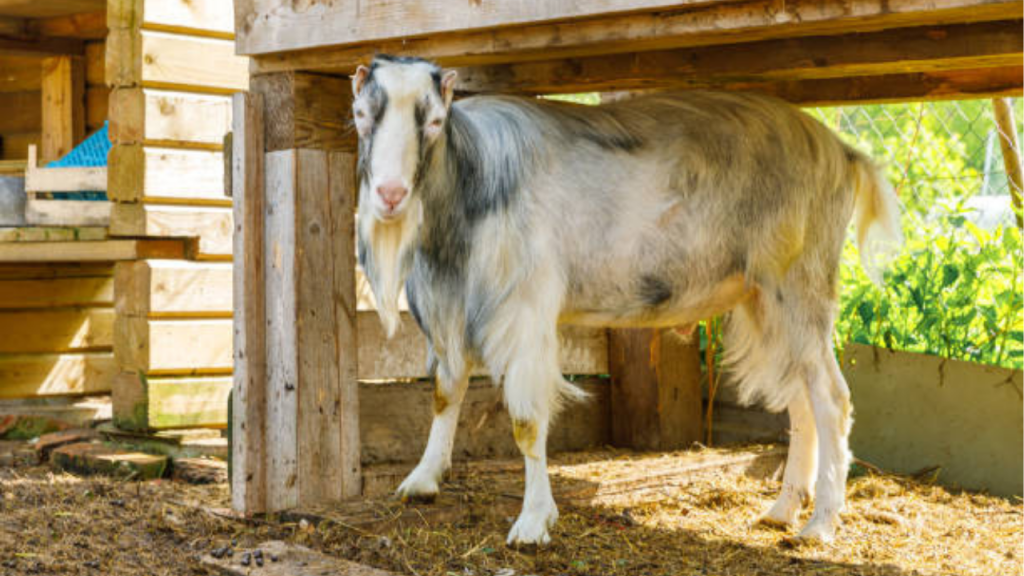
If you notice your goat’s left side is bulging, it could be a sign of bloat. This happens when gas builds up in the stomach, causing discomfort and visible swelling.
Your goat might seem restless, have trouble breathing, or grind its teeth. Check for sudden changes in diet or access to too many legumes, which often trigger this issue.
Act quickly and consult your vet, because bloat can become serious fast. Learn more about bloat in goats.
Crusty, inflamed, or itchy ears
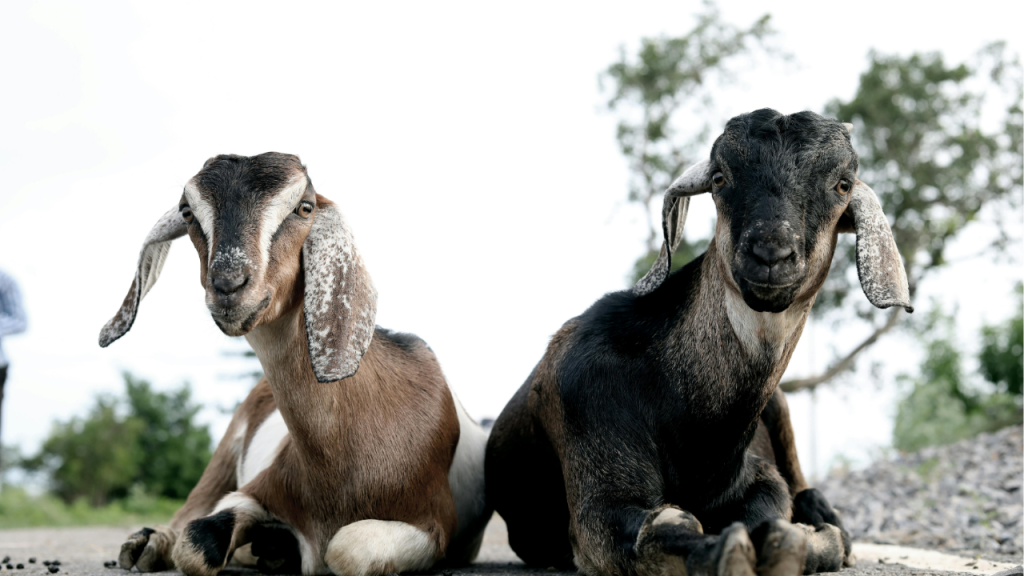
If your goat’s ears look crusty or inflamed, it could be a sign of infection or parasites. You might notice your goat scratching its ears more than usual.
Check for scaly patches or redness, which often accompany irritation. Treating early can prevent further discomfort. For more details on common goat skin issues, you can visit this goat health resource.
Hair loss or bald patches
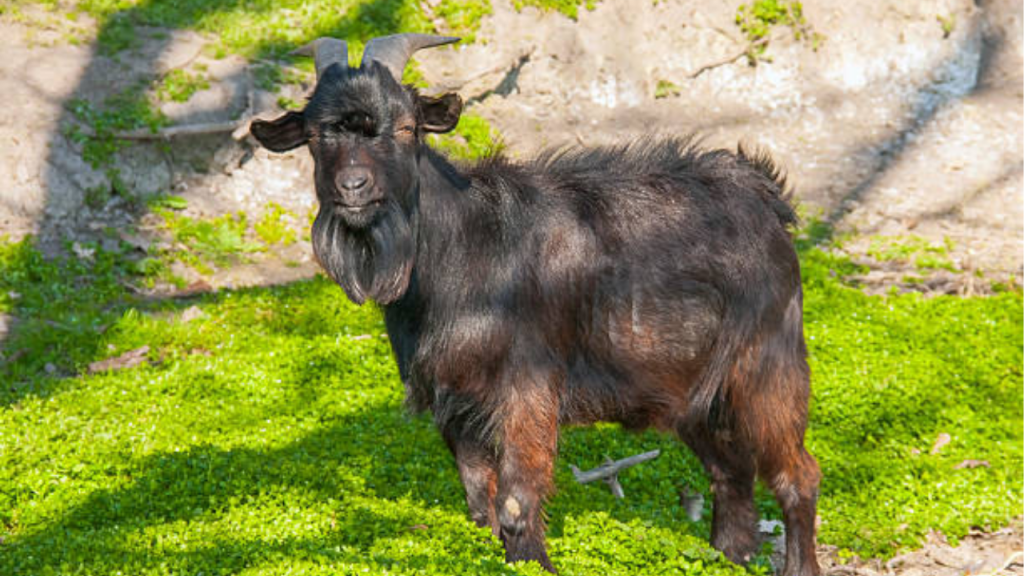
If you notice hair loss or bald patches on your goat, it could mean they’re dealing with irritation or parasites. Goats often scratch or rub when bothered by lice or mites, which can make fur fall out and skin raw.
Checking your goat’s skin regularly helps catch these issues early. Treating external parasites quickly improves their comfort and health. For more details about parasites causing hair loss, see external parasites of goats.
Excessive itching or scratching

If your goat is scratching or itching more than usual, it could mean they have external parasites like mites, lice, or fleas.
You might also see hair loss or crusty patches on their skin.
Check your goat closely and consult a vet if the itching continues, as untreated parasites can cause discomfort and skin problems. For more info, see external parasites of goats.
Unusual posture or reluctance to move
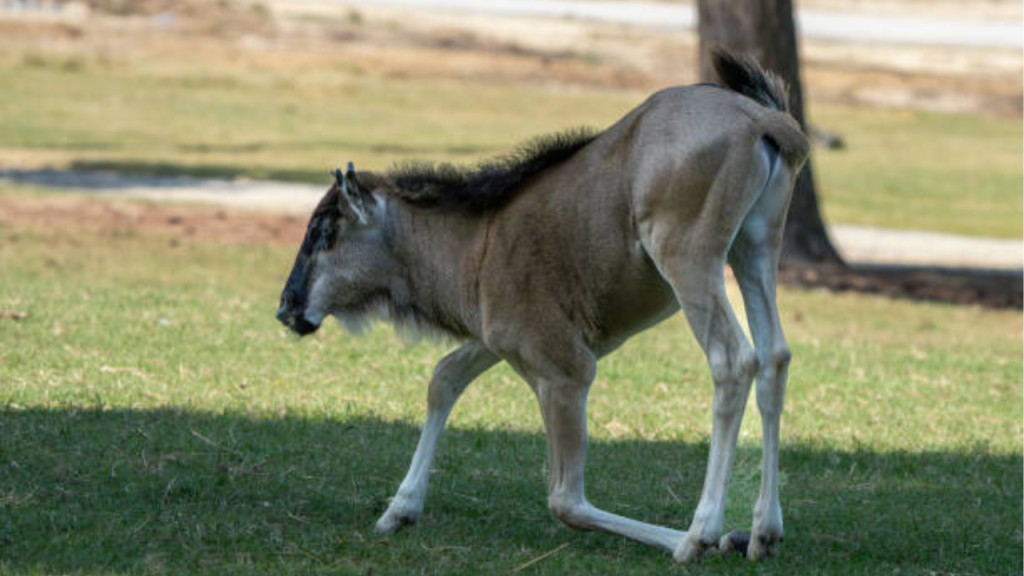
If your goat stands hunched over or moves stiffly, it could be a sign of illness. You might notice your goat reluctant to walk or play like usual.
These changes in posture often indicate discomfort or pain. Keep an eye out for these signs to catch problems early and help your goat feel better. For more details, see signs of illness in goats.
Labored or irregular breathing
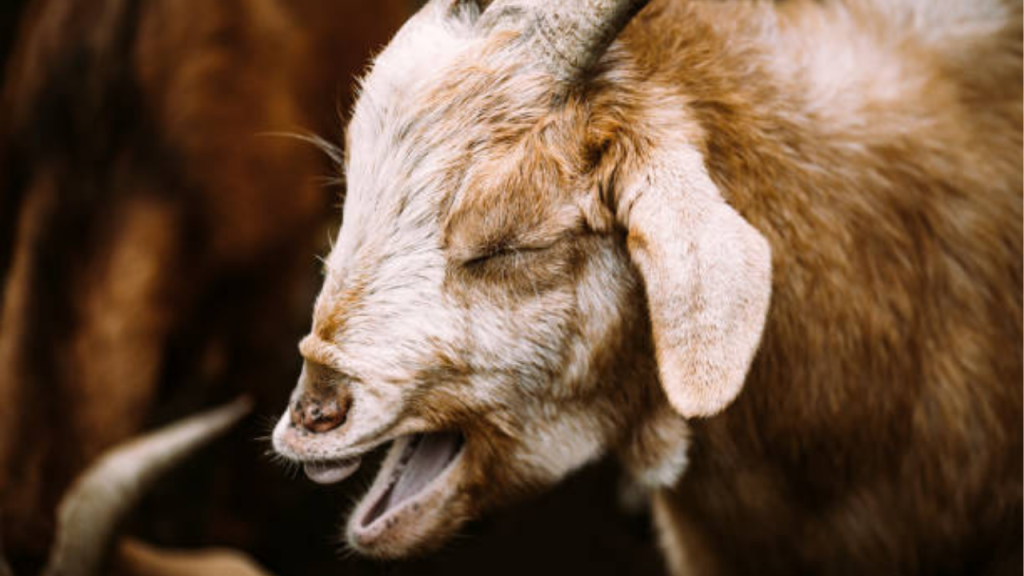
If your goat is breathing faster or slower than usual, it could be a sign something’s wrong. Labored or irregular breathing may indicate respiratory issues or stress.
Watch for any wheezing, coughing, or unusual sounds when your goat breathes. If you notice these signs, it’s best to consult a vet quickly to prevent complications. For more information, check out how to recognize breathing problems in goats.
Persistent coughing or nasal discharge

If your goat is coughing frequently or has nasal discharge, it might be a sign of an infection or irritation. Watch for any abnormal color or thickness in the discharge, as this can indicate a more serious issue.
Keep an eye on other symptoms like sneezing, appetite loss, or fever. If these appear alongside coughing or nasal discharge, it’s best to contact your vet for advice and treatment. For more details, see goat coughing causes and treatments.
Diarrhea or abnormal droppings
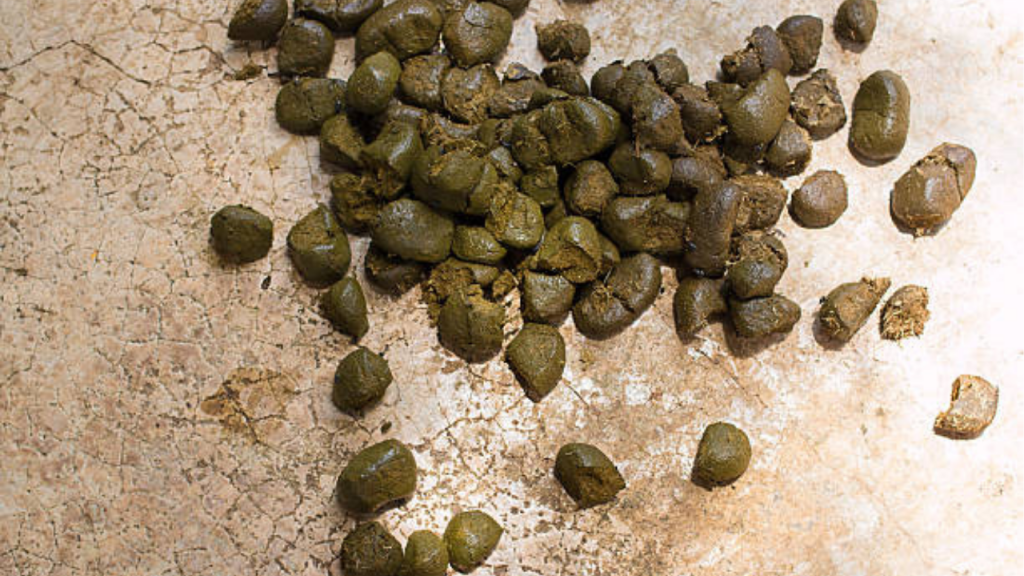
If your goat has diarrhea or unusual droppings, it could be a sign of illness. Watch for changes in consistency, color, or presence of blood.
Diarrhea might indicate dehydration or infections like coccidiosis. If it persists, you should act quickly to prevent more serious health issues.
Learn more about causes and treatments for goat scours at Manna Pro.
Swelling around joints or limbs

If you notice swelling around your goat’s joints or limbs, it could indicate an infection or injury. This might make your goat limp or move stiffly.
Swollen joints can also be a sign of conditions like septic arthritis or Caprine Arthritis Encephalitis. It’s important to check with a vet if the swelling doesn’t improve or if your goat seems in pain. For more details, see signs of swollen joints in goats.
Fever measured with a thermometer

You can check your goat’s temperature best with a digital rectal thermometer. A normal goat temperature ranges between 101.5°F and 103.5°F.
If your goat’s temperature goes above 104°F, it could indicate a fever. This is often a sign of infection or illness, so you should contact your vet for advice.
Monitoring your goat’s temperature helps catch sickness early and decide when to seek help. For more tips, see how to detect illness signs in goats.
Unusual vocalizations or crying
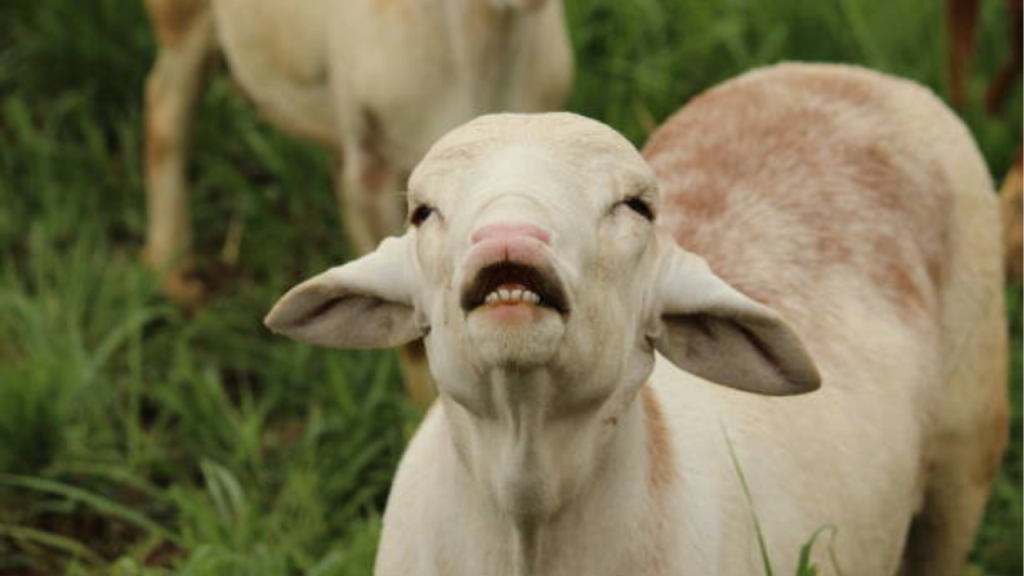
If your goat starts making strange noises or cries more than usual, it might be a sign that something is wrong. Healthy goats bleat normally, but unusual or persistent crying can mean pain or discomfort.
Pay close attention if the bleats become louder or different from their usual sounds. This change could indicate illness and might mean you need to call a vet. For more details, see signs of illness in goats.
Sudden changes in behavior or attitude
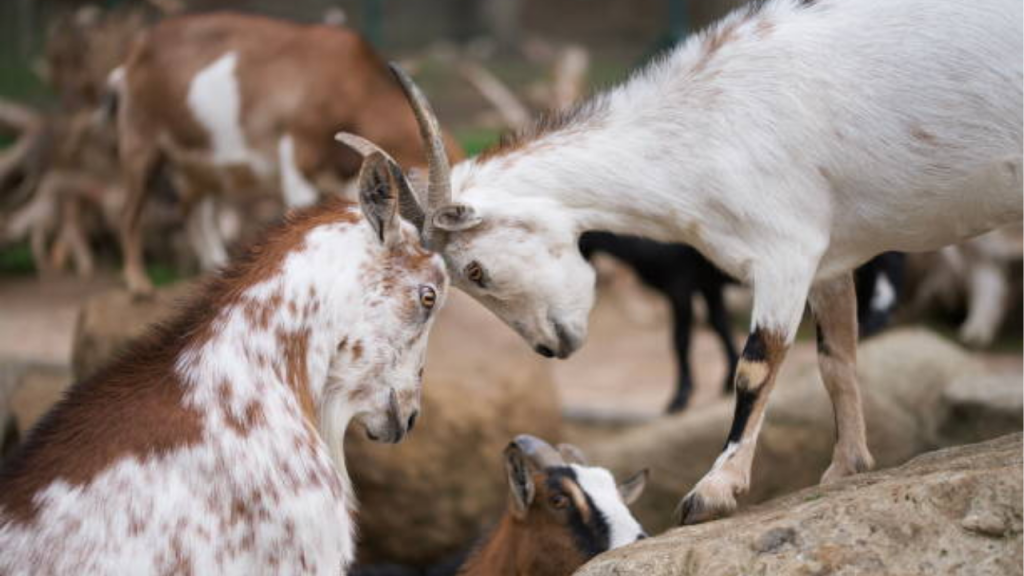
If you notice your goat suddenly acting withdrawn or unusually aggressive, this could be a warning sign.
Goats often hide illness, so any shift in their normal attitude is worth paying attention to.
Watch for signs like loss of interest in food, reduced movement, or unusual vocalizations.
If you see these changes, it’s important to check your goat quickly and consider contacting a vet.
For more information, see signs of illness in goats at Hoschton Animal Hospital.
Leave a Reply