

When the garden slows down in winter, it can feel like there’s little to do outside. Yet, this season offers a great opportunity to focus on tasks that prepare you for a thriving spring.
Staying productive during the garden’s quiet months helps you get ahead and enjoy a smoother growing season. Whether it’s organizing tools, planning projects, or starting seeds indoors, there are many ways to keep engaged even when the soil is resting.
Order seeds and bulbs for spring planting

Winter is a great time to plan your spring garden. You can browse and order seeds and bulbs now to ensure you have the best selection.
Choosing the right seeds and bulbs helps you prepare for a colorful and productive growing season. Consider flowers, vegetables, and herbs to match your garden’s needs.
Look for options like daffodils, tulips, or even vegetable seeds at sites offering a wide variety of spring planting products, such as Easy To Grow Bulbs.
Sharpen and clean gardening tools
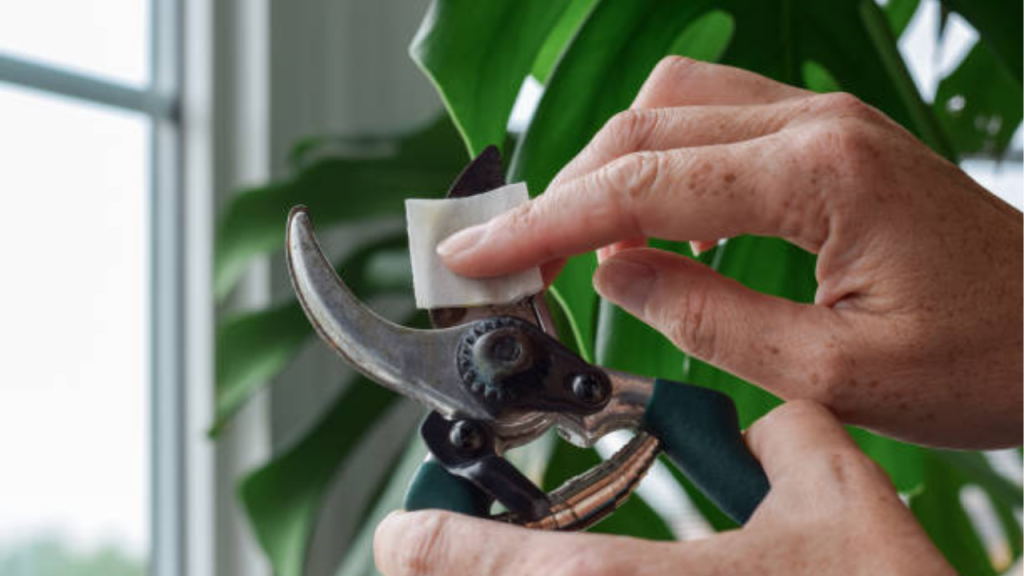
You should clean your gardening tools thoroughly before storing them for winter. Removing dirt and sap helps prevent rust and damage.
Next, sharpen blades like pruners, shears, and spades. Sharp tools make your spring work easier and safer.
Finally, apply a light coat of oil to metal parts to protect them during storage. This simple step keeps your tools ready for the next season. For more details, see how to care for garden tools before winter.
Start a seed journal to track progress
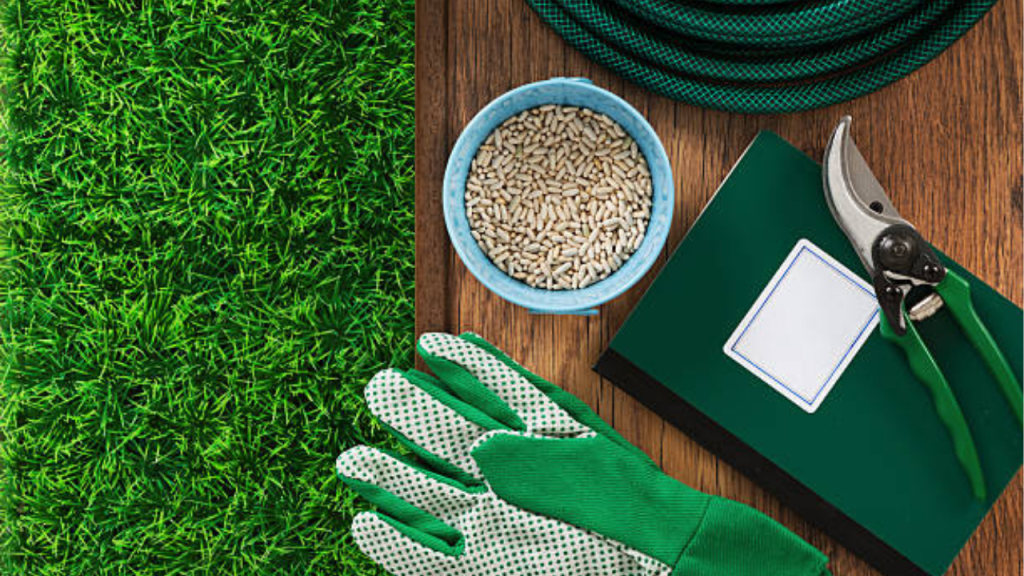
You can use a seed journal to record what you plant and when. This helps you see which seeds thrive and which need more attention.
Tracking your seed progress makes planning easier for the next season. Writing notes about germination times and growth patterns is especially useful during winter when the garden is quiet. Consider keeping a seed journal to stay organized and productive.
Set up grow lights for indoor seed starting

You can start seeds indoors during winter by using grow lights. They provide the right light intensity to help your seedlings grow strong.
Setting up a simple, affordable grow light system is easier than you might think. With the right setup, you can keep your plants healthy until it’s time to move them outside. Check this guide on a simple, affordable DIY indoor grow light setup for tips.
Sow early vegetables like lettuce and spinach indoors

You can get a head start by sowing lettuce and spinach seeds indoors during winter. These cool-season veggies thrive in early conditions and will be ready to transplant when outdoor soil warms up.
Starting indoors helps you avoid harsh weather and gives your garden a productive jump. For tips on timing and care, see this guide on starting vegetables early.
Plan crop rotation for healthier soil
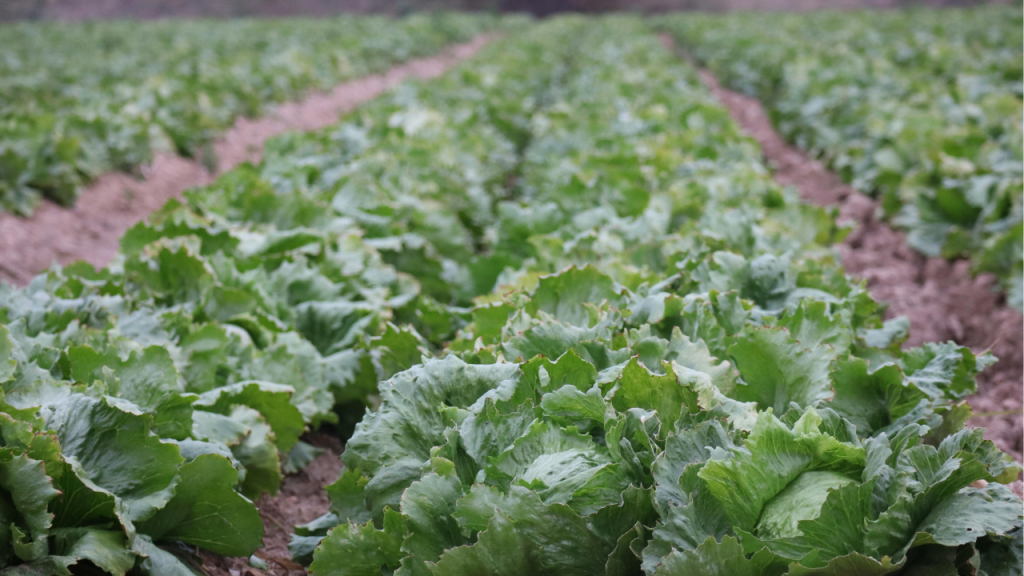
You can improve your soil by planning crop rotation during winter. Rotating crops helps prevent pests and diseases from building up in the soil.
Try grouping plants by their nutrient needs and family to keep your soil balanced. This simple step supports healthier plants when the growing season returns. For detailed tips, check out this 3-year garden crop rotation guide.
Make compost with fallen leaves and kitchen scraps
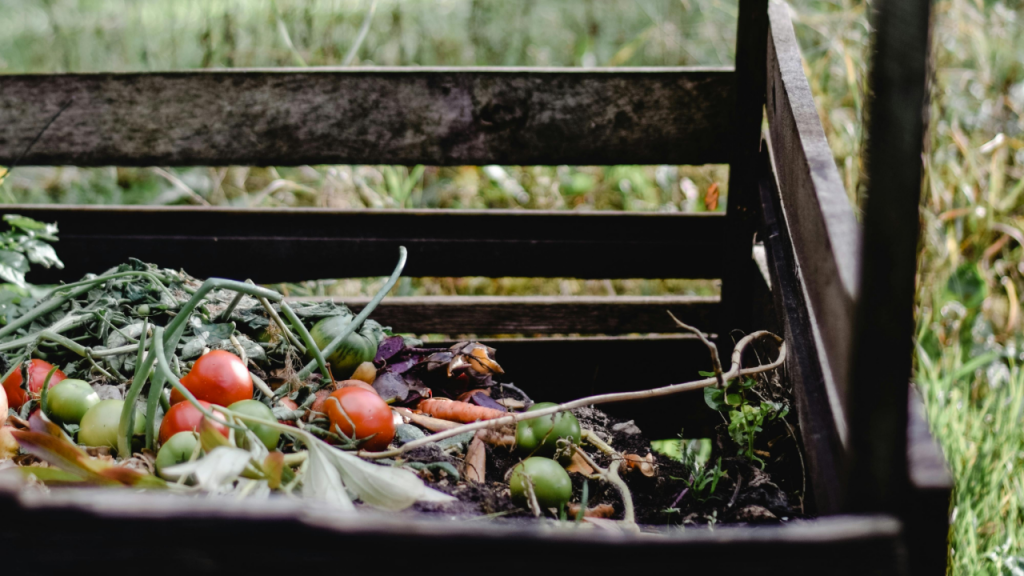
You can turn fallen leaves and kitchen scraps into nutrient-rich compost during winter. Simply collect dry leaves and mix them with veggie peels, coffee grounds, or eggshells.
Keep your pile moist and turn it regularly to speed up decomposition. This helps you create healthy soil for spring planting and keeps waste out of the trash.
If space is tight, try a compost bin or worm composting indoors to stay productive even in winter. For tips, see how to compost yard waste and kitchen scraps.
Plant cover crops like winter rye or oats

You can improve your soil by planting cover crops such as winter rye or oats. These plants protect the soil from erosion and help reduce compaction with their strong root systems.
Cover crops also add organic matter as they grow and decompose, which boosts soil health for the next season. Try this simple project to keep your garden soil in good shape during winter.
Learn more about using winter cover crops like ryegrass and oats at Bootstrap Farmer.
Build or repair cold frames and cloches.
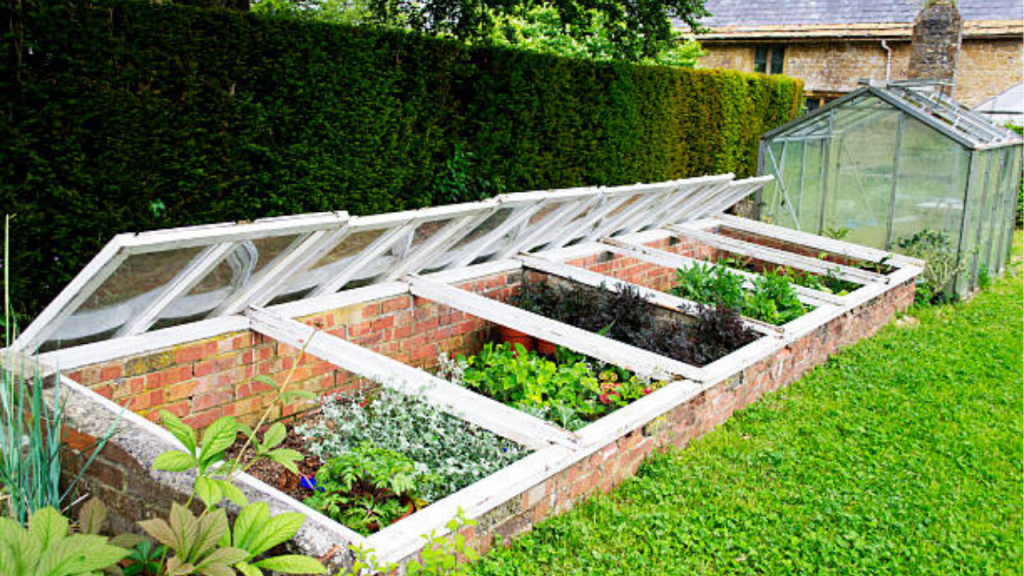
You can extend your growing season by building or fixing cold frames and cloches. These simple structures protect plants from frost and keep soil warmer.
Using wood and recycled glass, you can create a sturdy cold frame with a hinged top for easy access. Repairing old frames is also a great way to prepare for early spring planting.
Learn more about cold frame basics and designs to keep your garden productive through winter here.
Mulch garden beds to protect soil
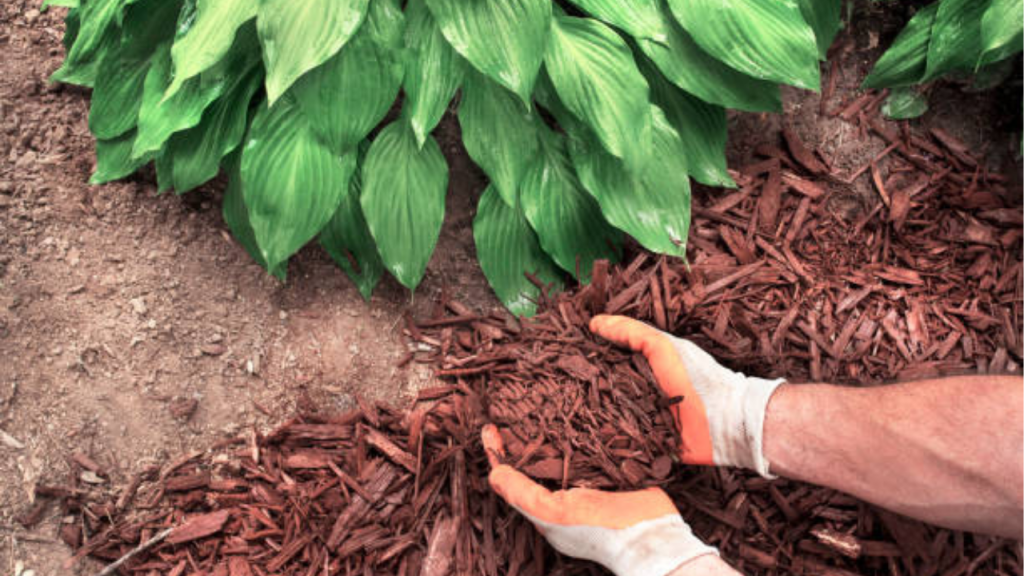
Mulching your garden beds helps protect the soil during winter. It keeps the soil temperature steady and prevents erosion from wind and rain.
You can lay down a 2-3 inch layer of organic mulch like straw, leaves, or wood chips. This also blocks weeds and retains moisture for spring.
Mulching is a simple step that sets your garden up for healthy growth once the cold passes. Check tips on mulching garden beds for more guidance.
Prune dormant fruit trees and shrubs

You can prune your dormant fruit trees and shrubs in late winter to shape them and remove weak branches. This helps improve airflow and sunlight exposure for better growth. Be careful to avoid cutting healthy shoots.
Focus on removing any broken, dead, or crossing branches while preserving as much healthy wood as possible. Light pruning at this stage supports strong growth in spring. For detailed guidance, see this dormant pruning guide.
Organize your gardening shed

You can make the most of your shed by hanging tools on hooks. This keeps everything visible and easy to reach.
Use wall-mounted racks and clear bins to save floor space and keep small items tidy.
Consider crates for storing pots to avoid stacking them loosely. These simple steps help keep your shed neat during winter.
For more ideas, check out Organize Your Garden Shed in Winter: 5 Simple Storage Hacks.
Learn about new gardening techniques or plants

Winter is a great time to explore new gardening methods. You can research growing techniques like permaculture, hydroponics, or vertical gardening.
This downtime also allows you to learn about plants you haven’t tried before. Discovering new varieties can inspire your next growing season.
Use this period to watch videos or read guides to prepare yourself fully for spring planting. It makes your gardening more productive when the season arrives.
Leave a Reply