
Many old-fashioned skills have faded from everyday life, but they still hold practical value for you today. Rediscovering these skills can make your daily routines easier and more rewarding.
These timeless abilities help you become more self-reliant and connected to the world around you. Embracing them offers a chance to learn useful techniques that have stood the test of time.
Sewing and mending clothes
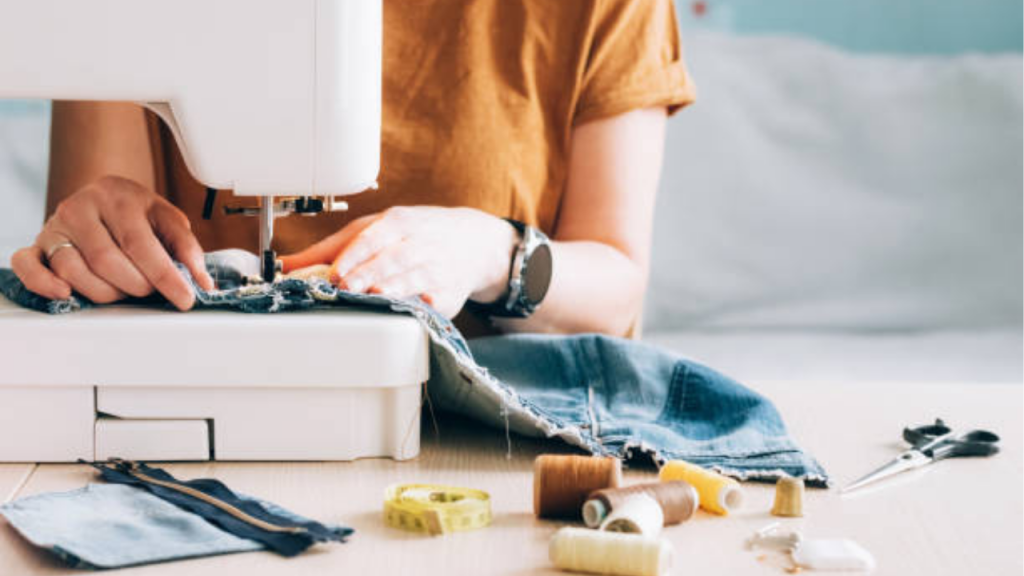
You can save money by learning to sew and mend your clothes. Fixing small tears or replacing buttons helps your favorite items last longer.
Sewing also lets you customize your wardrobe and reduce waste. Many people are picking up this skill again for both creativity and sustainability, as seen in the rise of sewing among younger generations like tweens and teens.
Cooking homemade meals from scratch
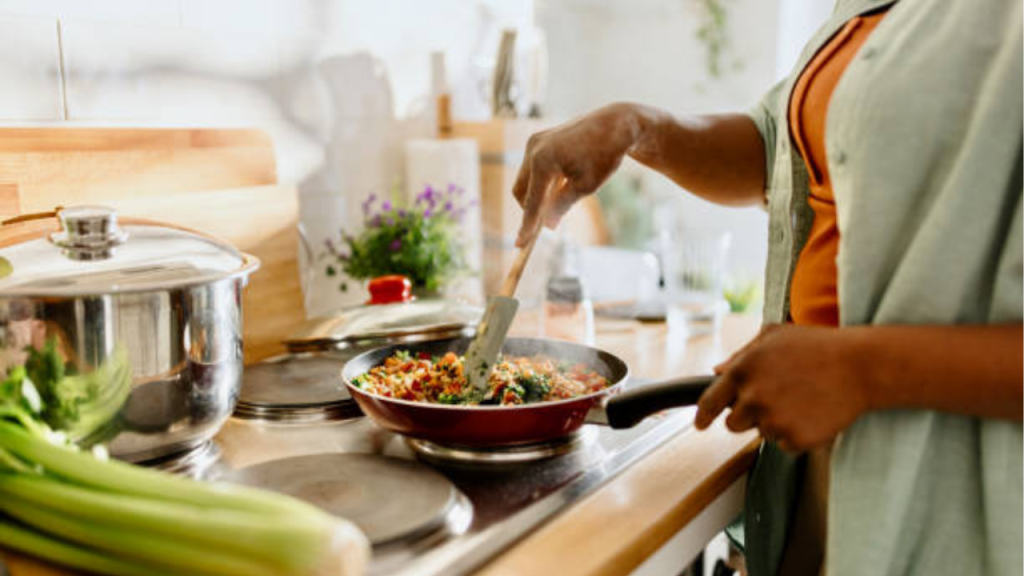
When you cook meals from scratch, you control the ingredients and flavors. It can be healthier and tastier than relying on pre-made or processed foods.
You also get to enjoy the process of preparing food, which can be relaxing and rewarding. Plus, homemade meals often bring back comforting memories and traditions.
Learning to cook basic recipes like soups, breads, or stews helps you develop valuable skills and saves money over time. You might even find joy in exploring old-fashioned recipes worth trying again. For more ideas, see these old-fashioned dinner recipes.
Handwritten letter writing

Writing a letter by hand adds a personal touch that digital messages often miss. Your unique penmanship can express care and thoughtfulness in a way typing can’t.
Receiving a handwritten note creates a connection to the sender’s emotions and effort. It’s a simple skill that brings warmth and meaning back to communication.
You can learn more about the charm of this practice by exploring old-fashioned letter writing for fun at the New York Public Library blog.
Gardening for fresh food
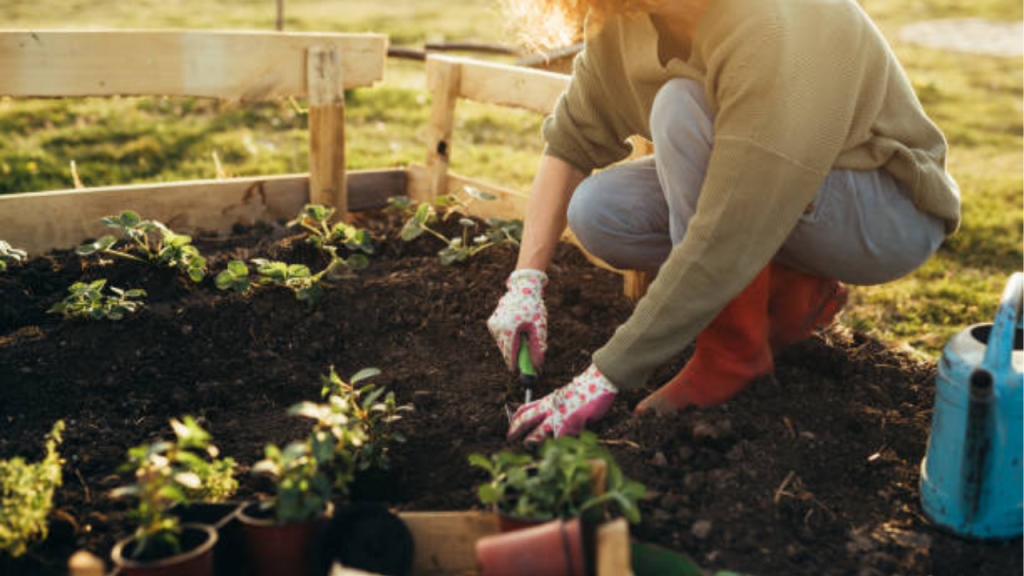
Gardening lets you enjoy the freshest produce right from your own backyard. When you grow your own vegetables and herbs, you control what goes into your food.
It can also save you trips to the store and reduce the need for packaged goods. Plus, creating a garden space adds beauty and calm to your outdoor area.
Learning about planting schedules and companion plants helps you grow more successfully and with less effort. You can find helpful charts and tips for planning your garden effectively.
For more ideas on gardening’s benefits, see why gardening, sewing, and canning are thriving again.
Preserving food by canning and pickling
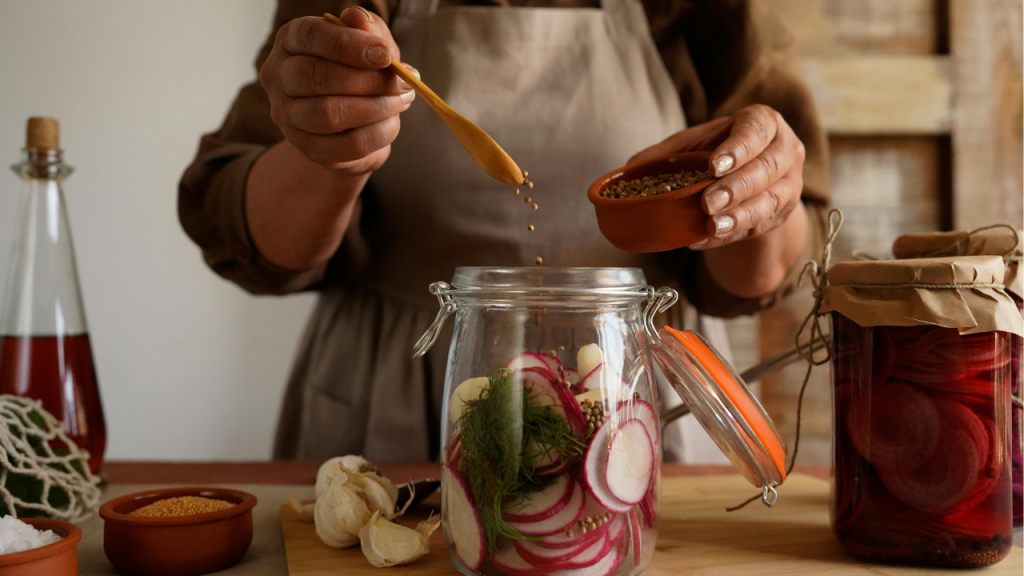
You can save seasonal fruits and vegetables for months by learning to can and pickle. These skills help you create homemade snacks and meals without relying on the store.
Canning and pickling also give you control over ingredients, making your food healthier. Plus, they’re practical skills that reduce waste and stretch your grocery budget.
If you want to explore these methods, check out guides on pickling and canning making a comeback.
Knitting and crocheting

You might think of knitting and crocheting as just hobbies, but these skills have practical roots. They were once essential for making clothes and household items by hand.
Today, you can pick them up for fun or to create unique, personalized garments. Learning basics like needle handling or fixing mistakes is easier with helpful apps and guides. Try it—knitting or crocheting might surprise you with how relaxing and useful they can be. For more, see 30 Old School Life Skills That are Making a Comeback.
Reading and using paper maps

You might think GPS has made paper maps old-fashioned, but knowing how to read one can still be useful. Maps help you understand directions without relying on batteries or signals.
Using a paper map builds your spatial thinking, helping you see how places connect. It’s a skill that can make your outdoor adventures safer and more enjoyable.
Learning to use maps can also improve your problem-solving skills when technology is unavailable or fails. For more on why map skills matter, check this map skills article.
Making homemade soap
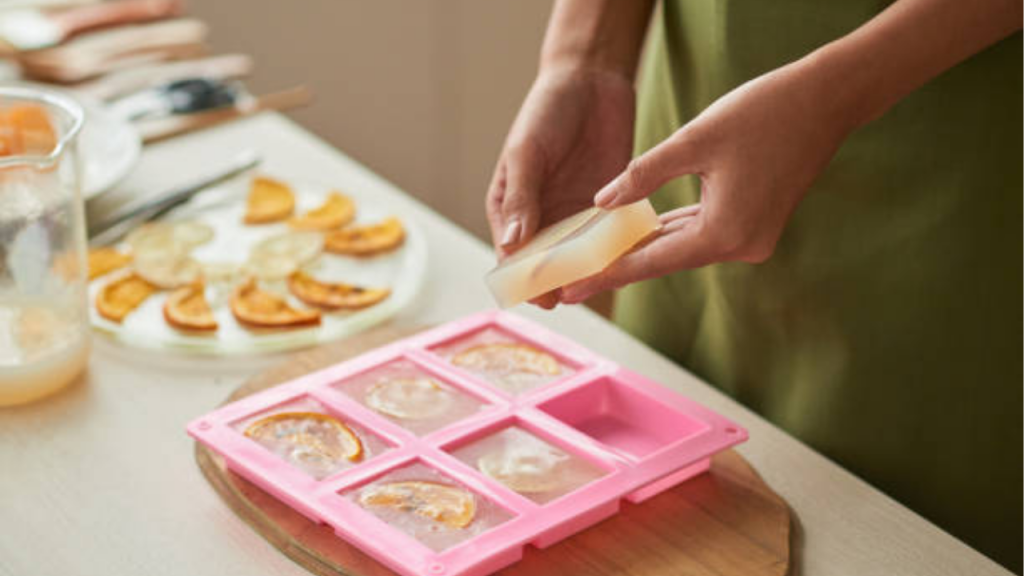
Making homemade soap lets you control the ingredients and create personalized scents. You can choose natural oils and fragrances that suit your skin and preferences.
The process involves melting oils, mixing lye carefully, and adding fragrances or colors. It takes patience, but you end up with unique, handmade soap.
If you want to learn step-by-step, guides like this handmade soap beginner’s guide can be helpful.
Fixing and reusing household items
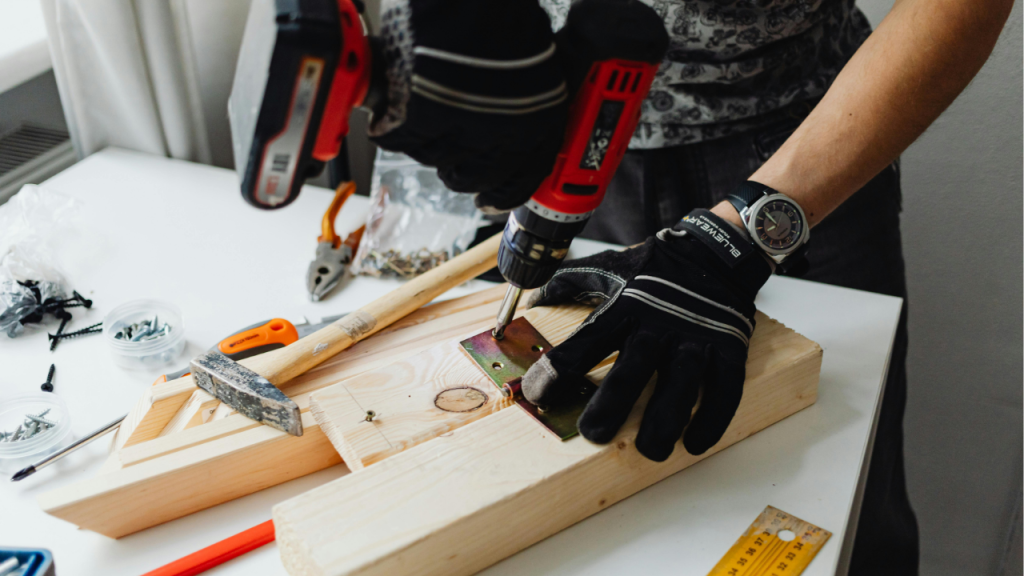
You can save money by learning to fix things around your home instead of tossing them out. Simple repairs like sewing a tear or tightening loose screws extend your items’ life.
Reusing items creatively, like turning jars into storage containers, reduces waste and adds charm to your space. These skills make your daily life more practical and sustainable.
Check out ideas for fixing and reusing household items.
Driving a manual transmission car

Learning to drive a manual car helps you understand how your vehicle works. You get better control over speed and power by shifting gears yourself.
Start practicing in a quiet parking lot without using the gas pedal to get comfortable with the clutch. Being relaxed and patient makes a big difference when you’re learning how to drive a manual car.
Making homemade jam
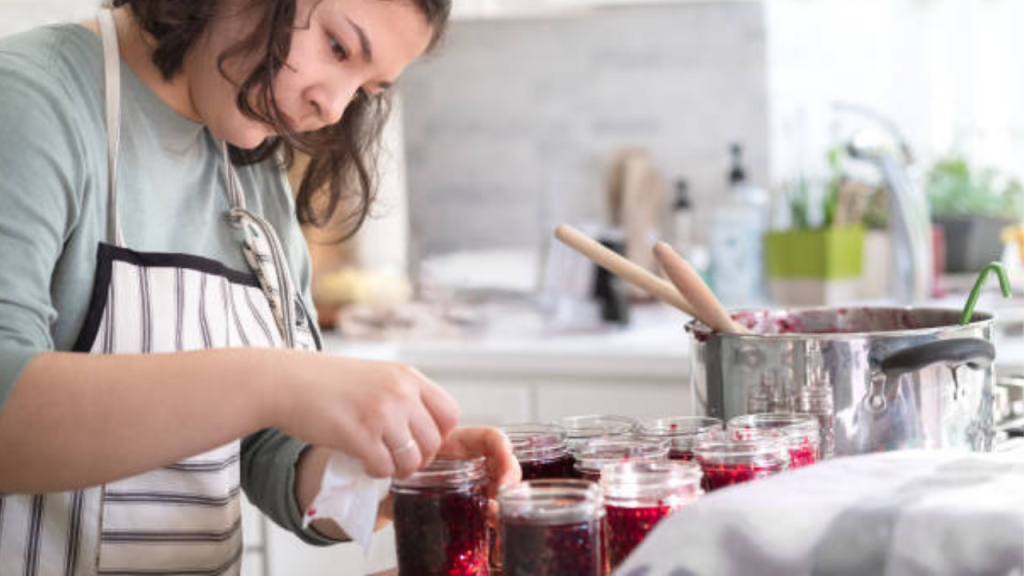
Making homemade jam lets you enjoy fresh fruit in a simple way. You start by picking ripe fruit and washing it well.
You’ll need to mash the fruit and cook it with sugar until it thickens. Removing seeds from larger fruits like grapes can improve the texture.
Jar preparation is easy, and you can involve your family by letting kids help with counting jars or watching the timer during cooking. For detailed steps, try this easy homemade jam guide.
Beekeeping for fresh honey
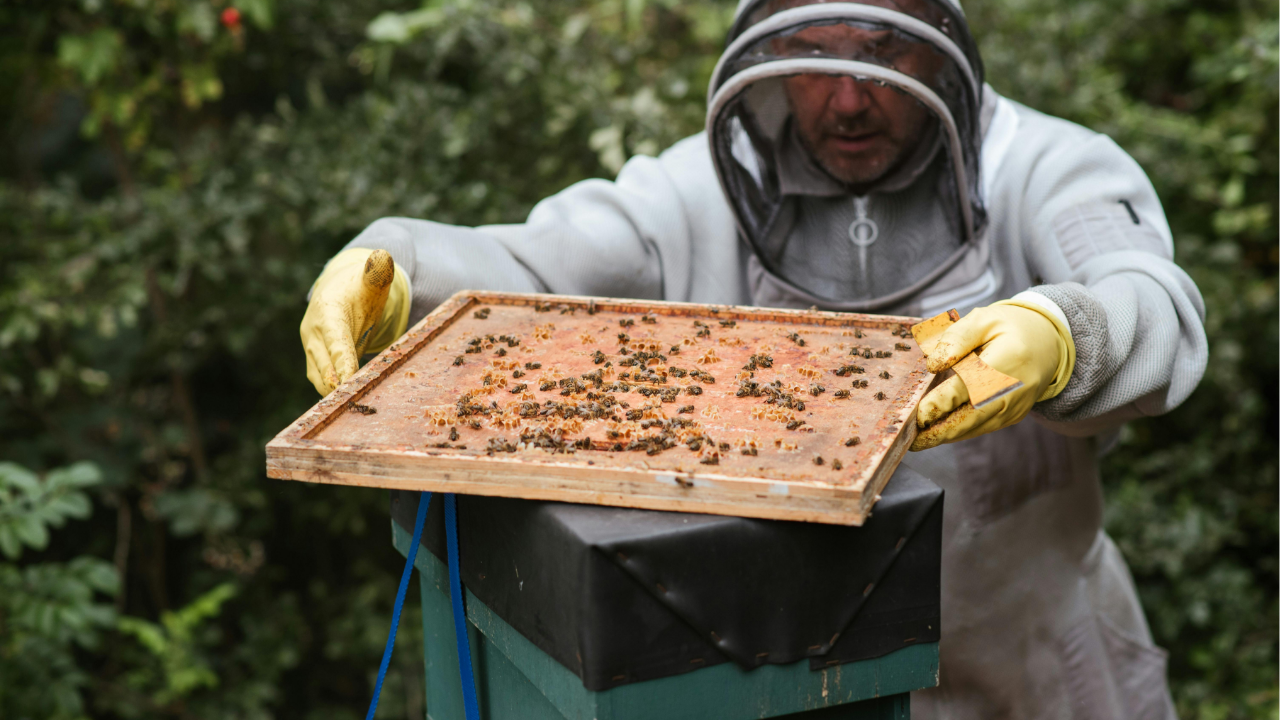
You can enjoy fresh honey by starting your own beekeeping hobby. It’s a skill that connects you to nature and helps support local pollination.
Bees need pollen, nectar, and water to thrive, so providing a good environment is important for healthy honey production.
Learning natural beekeeping methods helps you care for bees gently while harvesting your own honey. Check out Natural Beekeeping with Adam Martin for more guidance.
Brewing beer at home

Brewing beer at home lets you explore flavors and control ingredients. It’s a rewarding skill that connects you to traditional craft.
You don’t need fancy equipment to start. Many helpful guides and books can walk you through the process step-by-step, making it easier than you might expect.
Trying homebrewing can also introduce you to a welcoming community of fellow enthusiasts. Learn more about homebrewing essentials at homebrewing resources.
Foraging edible wild plants
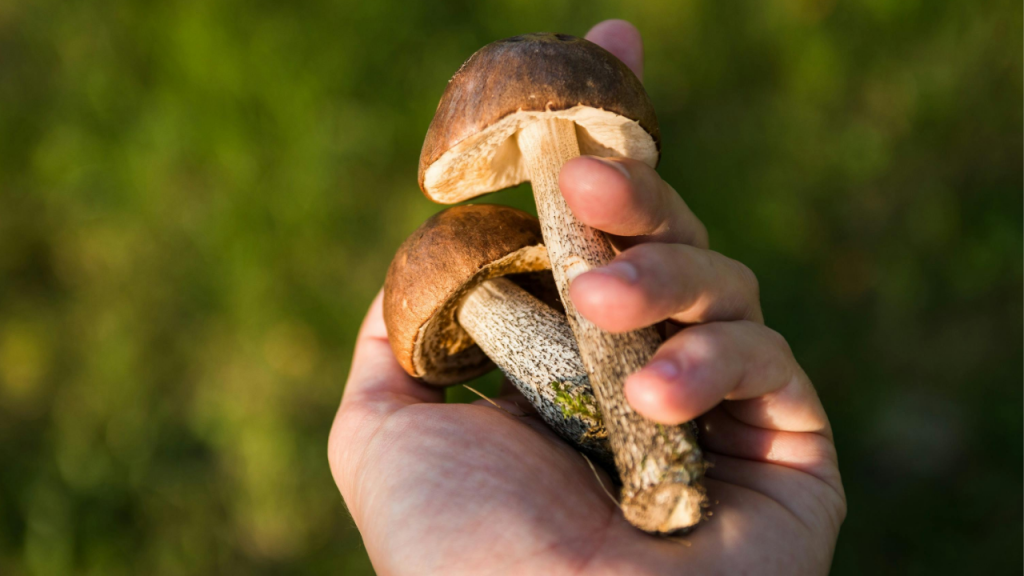
You can find edible wild plants almost anywhere if you know what to look for. Foraging allows you to connect with nature while adding fresh ingredients to your meals.
Start by learning to identify common safe plants in your area. Carry a guide like The Forager’s Guide to Wild Foods to help you recognize and prepare them safely.
Leave a Reply