

Winter can be tough on livestock, especially when you don’t have access to electricity to keep them warm. You want to make sure your animals stay comfortable and healthy despite cold temperatures.
Keeping livestock warm without power involves practical, low-tech solutions that focus on shelter, nutrition, and natural insulation. This guide will help you find simple ways to protect your animals during cold months.
Allow livestock to live communally to share body heat
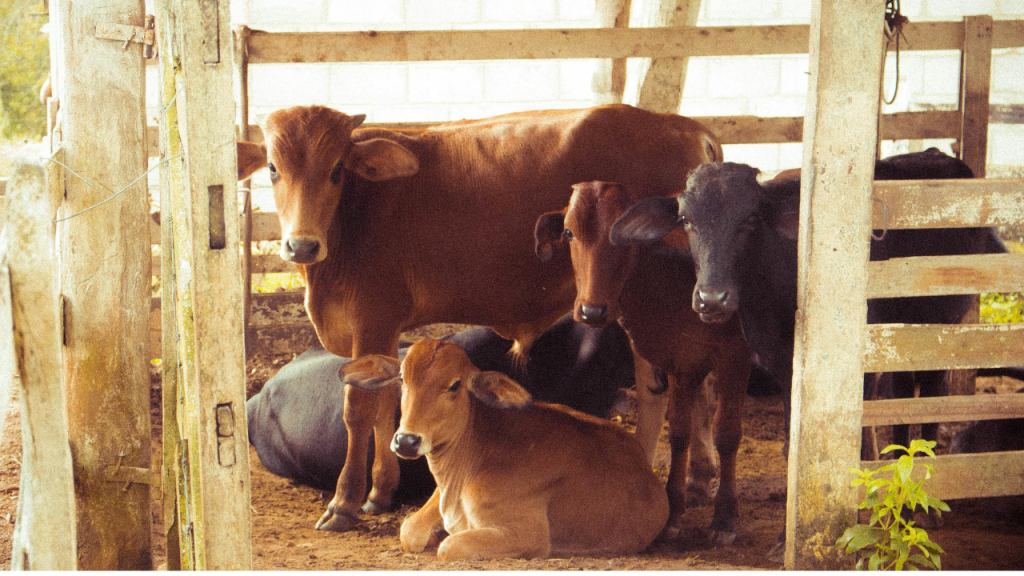
You can help your animals stay warmer by letting them group together. When livestock huddle, they share body heat, which reduces heat loss.
This natural behavior is especially helpful for smaller or weaker animals. Make sure their shelter allows enough space for them to gather comfortably without overcrowding.
Provide deep litter bedding in barns or coops
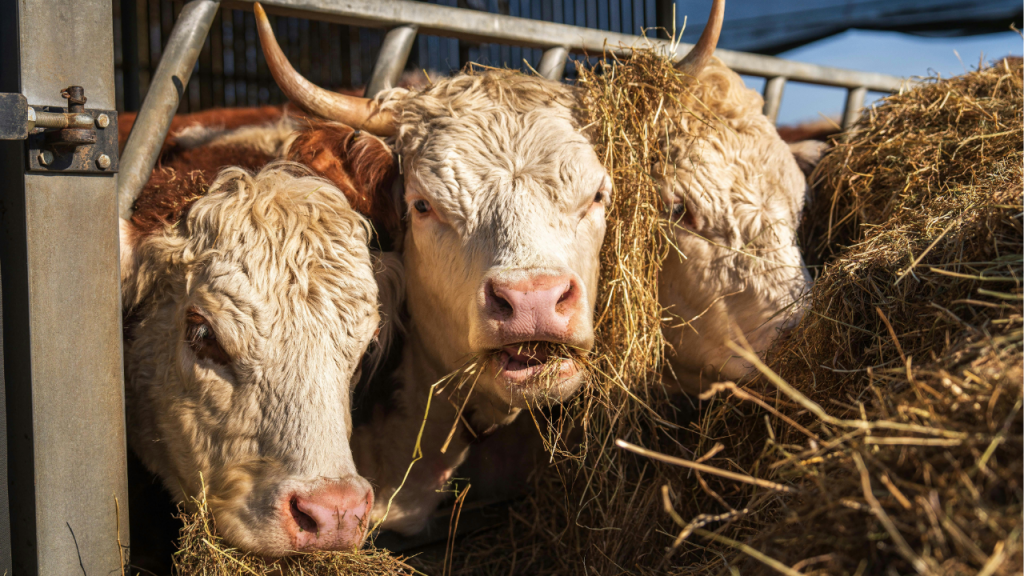
You can keep your animals warmer by using the deep litter method in their bedding. Add layers of straw, wood shavings, or hay regularly to build up insulating material.
The bedding naturally composts, creating gentle warmth as it breaks down. Be sure to turn it occasionally to manage moisture and prevent odors. This method works well for both barns and chicken coops.
More details can be found on using the deep bedding method in livestock care.
Install natural windbreaks like trees or shrubs
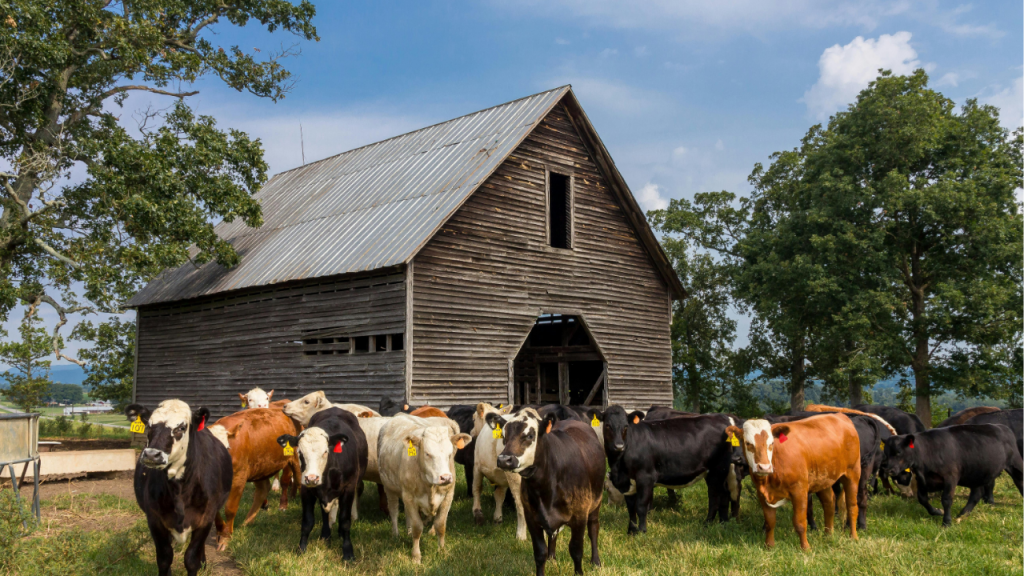
You can plant trees or shrubs to create natural windbreaks around your livestock areas. These barriers reduce wind speed, helping to keep animals warmer.
Choose species that are dense and evergreen for year-round protection. Over time, these windbreaks improve comfort without using power. Learn more about natural windbreak benefits at USDA Forest Service’s guide on windbreaks for livestock operations.
Use constructed wind barriers or tarps
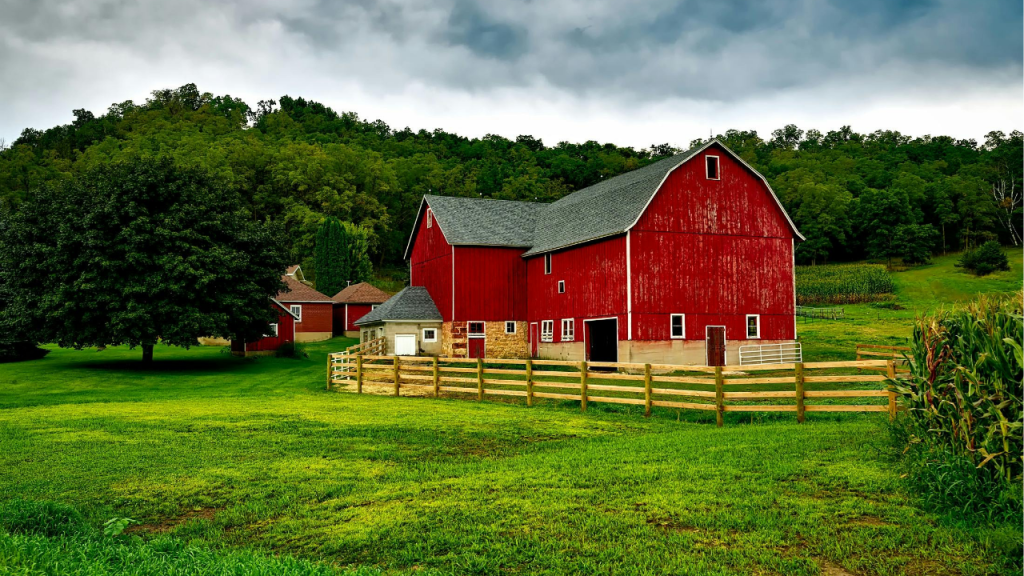
You can build simple wind barriers using materials like wood or metal to block harsh winds. Position them where your animals usually rest to reduce exposure to cold drafts.
Tarps are a flexible option that can be hung over pens or shelters. They provide extra protection from wind and precipitation without needing power.
Using either will help keep your livestock calmer and warmer in cold weather. For more ideas on windbreaks, see this guide on windbreaks for livestock operations.
Keep animals dry to prevent heat loss
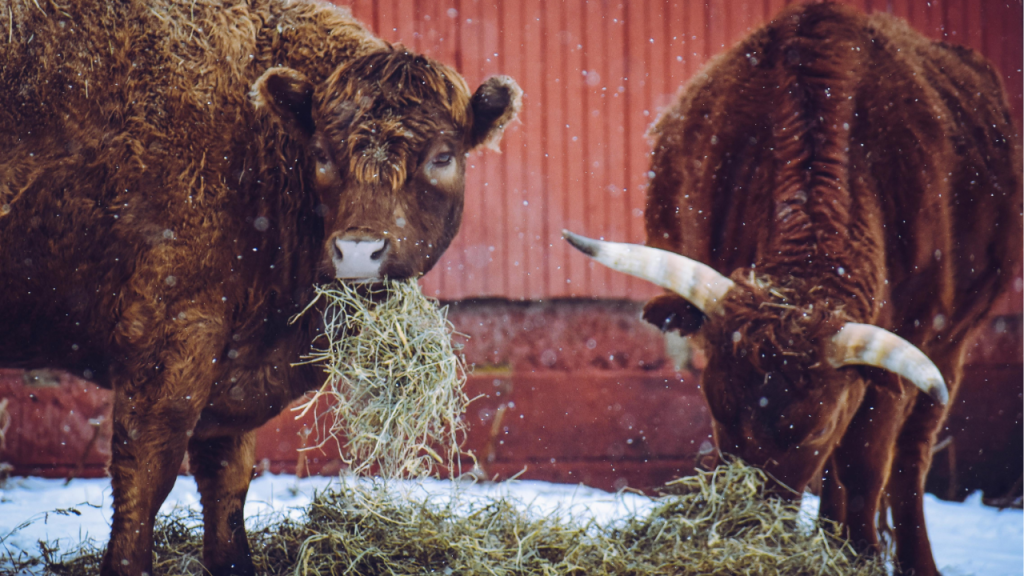
You should always keep your animals dry during winter. Wet bedding or fur causes heat to escape faster.
Change out wet bedding often to help your livestock stay warm and comfortable. Dry bedding acts as a barrier against cold and moisture.
Providing shelter that blocks wind and rain will also keep your animals dry and reduce the risk of frostbite. For more tips on bedding, see how to keep livestock warm during winter.
Close barns or coops at night to retain warmth
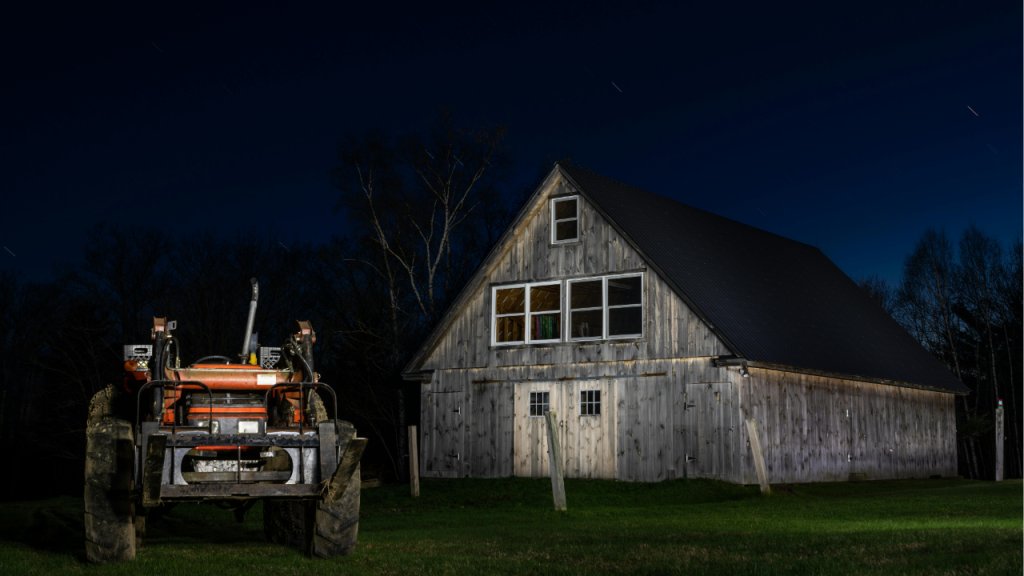
You should close your barns or coops at night to keep as much heat inside as possible. This helps create a warmer environment for your animals when temperatures drop.
Be sure to secure doors and windows to block drafts but still allow some ventilation. Proper sealing prevents heat loss without causing stuffiness. For more tips, check winter chicken coop preparation here.
Feed high-protein diets to boost metabolism
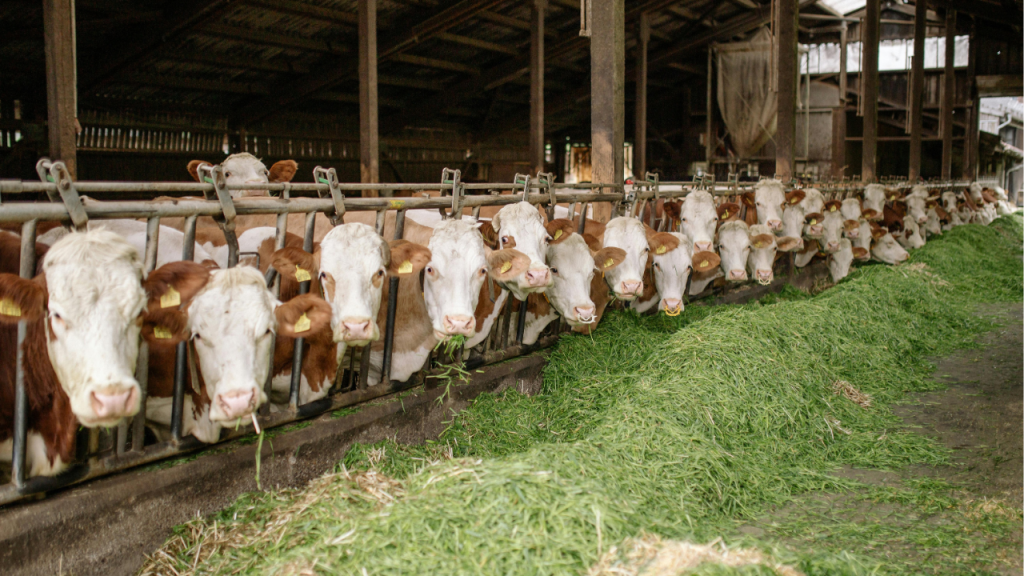
You can help your livestock stay warmer by feeding them high-protein diets. Protein increases their metabolic rate, producing more internal heat.
Providing quality proteins supports energy use during cold weather, which is essential when animals need extra warmth.
Focus on feeds that are easily digestible and rich in protein to keep your animals comfortable without power. For details about energy and protein needs, see more on feeding cattle in winter.
Offer suet cakes for extra energy
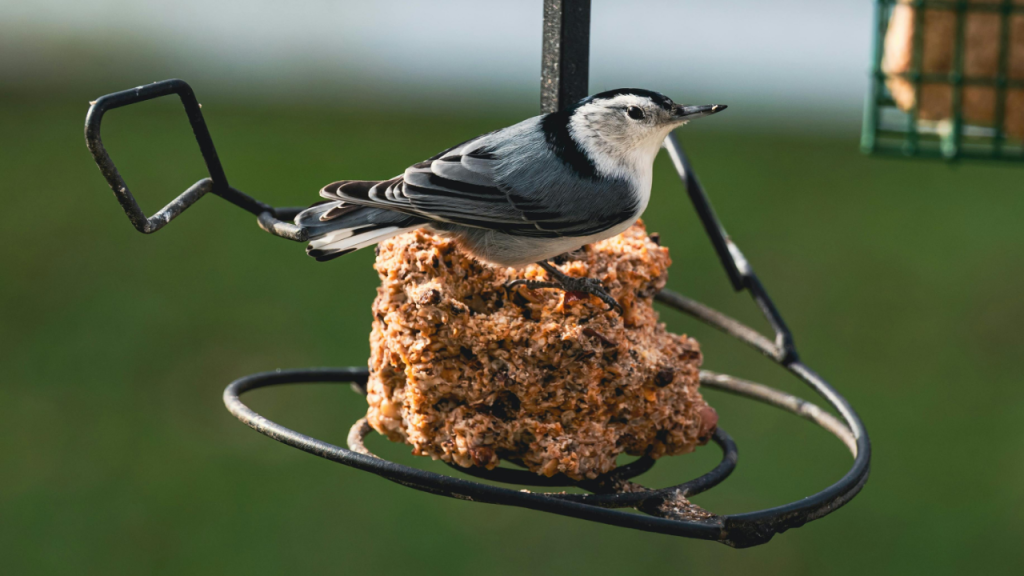
You can give your livestock suet cakes to help them stay warm. Suet is high in fat and calories, providing energy during cold months.
Suet mixed with nuts boosts nutrition and keeps animals active. It’s especially useful when natural food is scarce.
Try homemade or store-bought suet designed for animals to ensure it won’t melt quickly in warmer conditions. For more details, see this guide to bird suet and feeders.
Ensure fresh, unfrozen water with insulated troughs
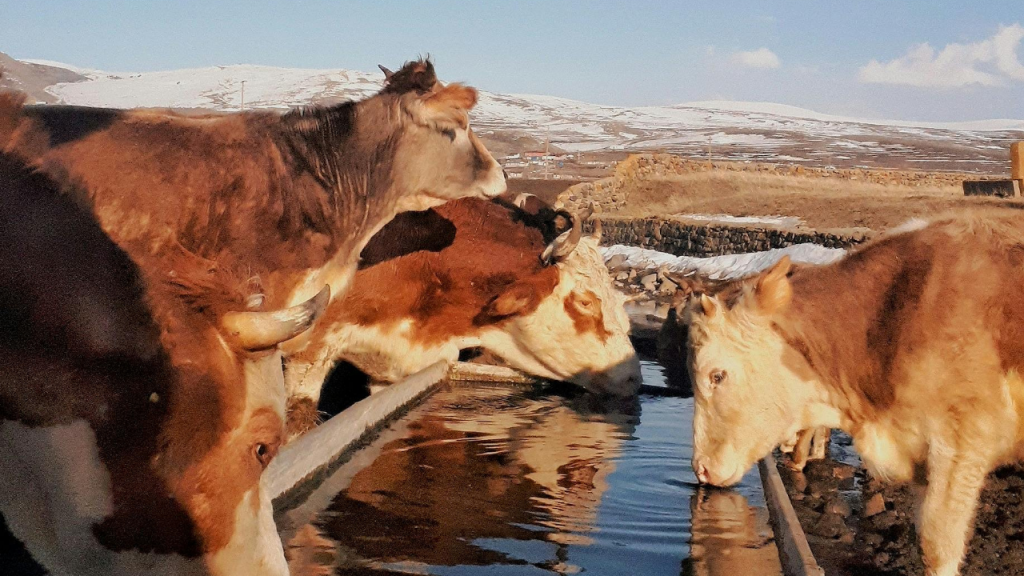
You can keep your livestock’s water from freezing by using insulated troughs. These help maintain the water temperature longer, especially when you shield them from cold winds.
Positioning troughs where they receive sunlight or using barrels beneath them can also trap earth’s natural heat to slow freezing. This way, your animals always have access to fresh water, even in the coldest weather.
For more ideas, see ways to keep water from freezing without electricity.
Maximize ventilation at the top to reduce moisture
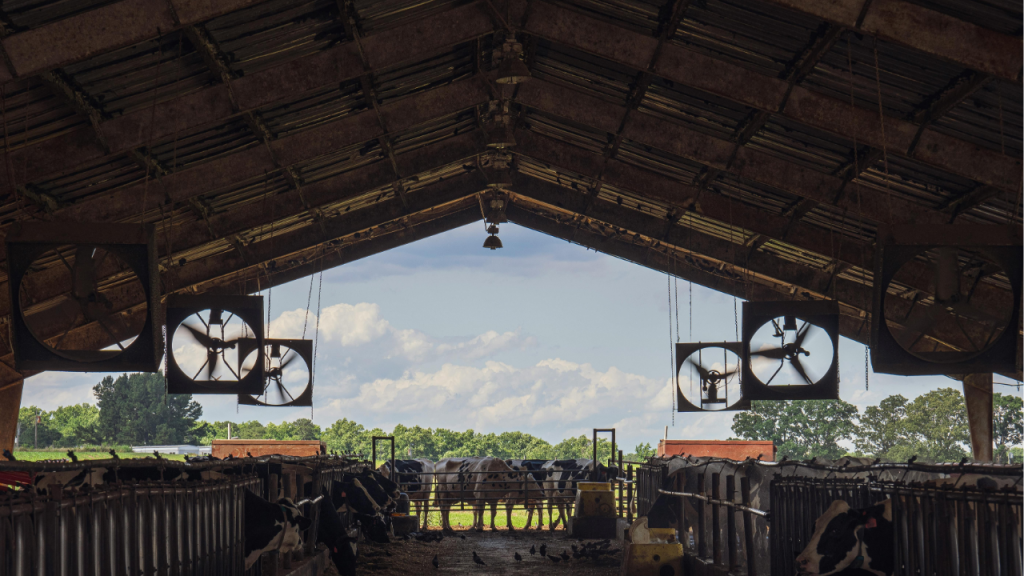
You want fresh air to enter without losing too much heat. Ventilation near the roof allows moist air to escape while keeping warm air lower.
This helps prevent dampness that can chill your animals. By focusing on top ventilation, you reduce condensation and improve barn air quality, even without power.
A small vent or adjustable window near the ceiling can make a big difference in keeping moisture under control. For more ideas, see winter ventilation tips for livestock.
Add extra hay for bedding and insulation
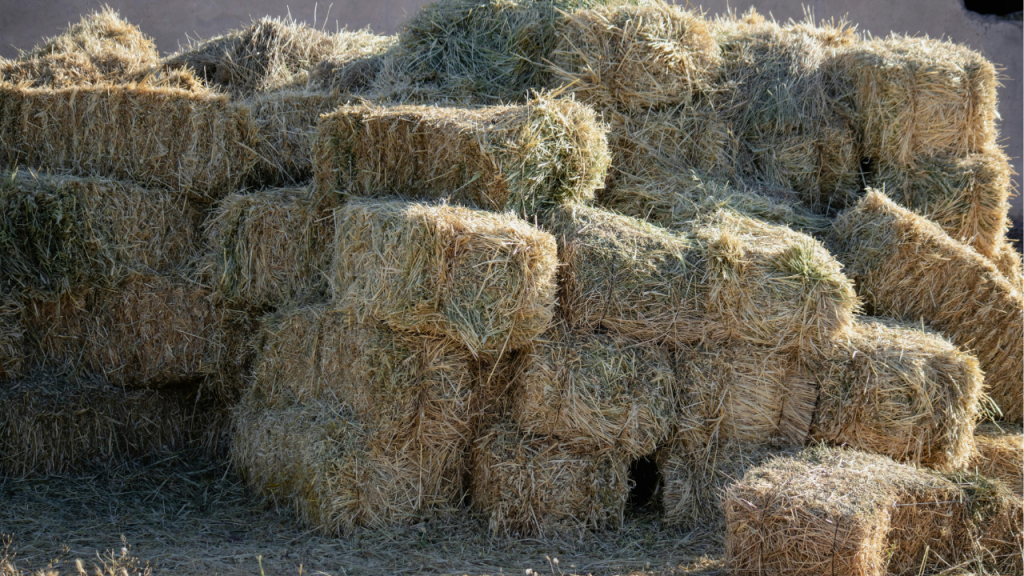
You can keep your animals warmer by adding extra hay to their bedding. Hay creates a thick, insulating layer that helps trap heat close to your livestock.
Make sure to regularly refresh the bedding to keep it clean and dry. This also helps maintain warmth and comfort during cold weather. For more tips, check out best practices for keeping animals warm during winter.
Encourage animals to huddle together in hay stacks
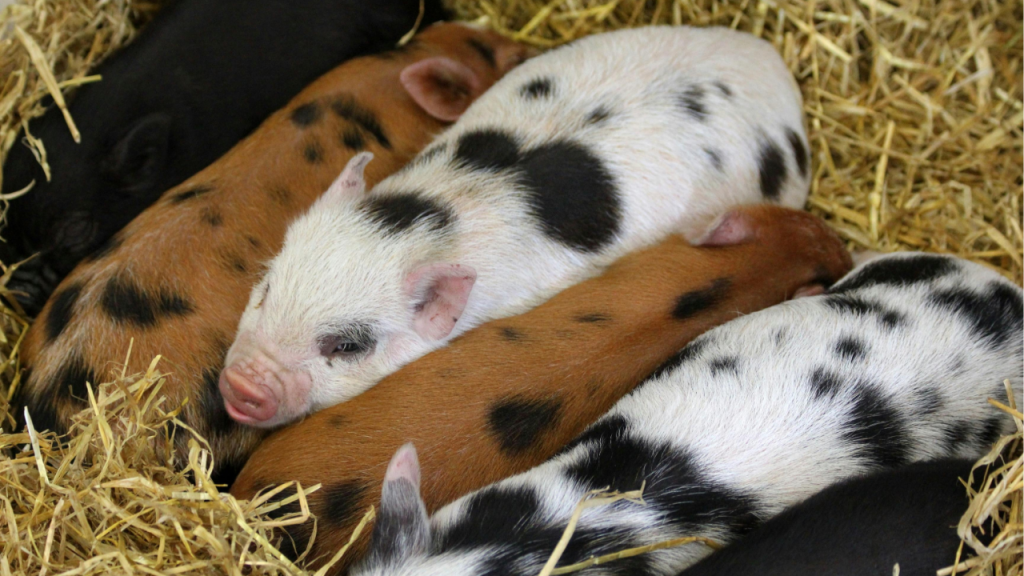
You can help your livestock stay warmer by letting them gather in hay stacks. The hay provides insulation, and when animals group closely, they share body heat.
Encouraging this natural behavior reduces their exposure to cold winds. Just make sure the hay is dry and free from mold to keep them comfortable and healthy. For more ideas, see keeping livestock warm during extreme winter cold.
Use insulated boxes over water tanks
You can protect your livestock’s water from freezing by building an insulated box around the tank. Use materials like plywood and line the inside with foam or straw for added warmth
Make sure the box leaves a little space around the tank for air circulation. Adding insulation to the top helps keep the water from freezing longer. This simple method saves you from needing electricity. For tips, see how to keep your cattle water from freezing without electricity.
Leave a Reply