

Starting a garden can be exciting, but it’s easy to run into challenges if you’re new to it. Many beginners make common mistakes that can slow down their progress or cause frustration. Understanding what to avoid can help you create a thriving garden with less effort.
Knowing the typical pitfalls and how to steer clear of them can save you time, money, and stress as you grow your gardening skills. This guide is designed to help you recognize those mistakes and give you practical tips to improve your gardening experience.
Setting overly ambitious gardening goals

You might feel excited and want to grow a large variety of plants all at once. But starting too big can lead to overwhelm and frustration.
It’s better to begin with a small, manageable garden. Focus on learning the basics and growing a few plants well, rather than stretching yourself too thin.
Planning this way helps you gain confidence and avoid common mistakes. For more tips on goal setting, check this guide to common gardening mistakes.
Overcrowding plants in garden beds
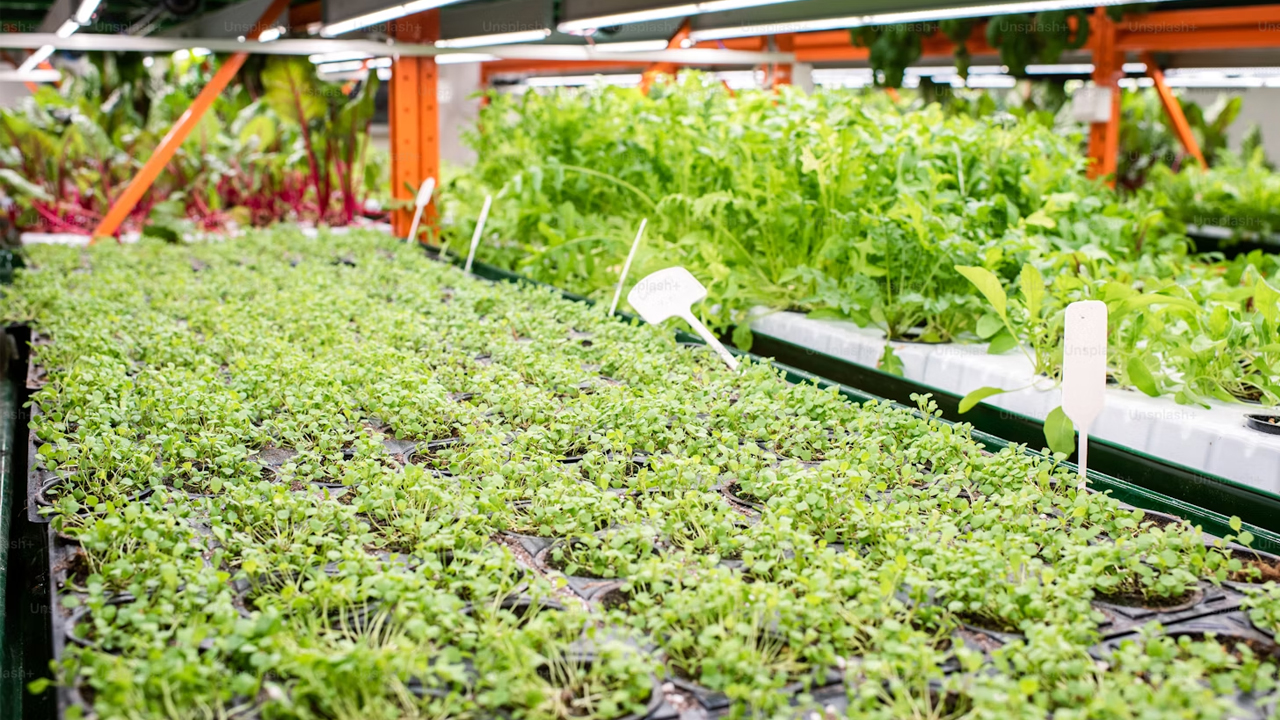
You might be tempted to fill every inch of your garden bed with plants. But overcrowding can actually hurt them. When plants are too close, they compete for water, nutrients, and sunlight.
Spacing your plants according to their mature size helps them grow strong and healthy. Give each plant enough room to reach its potential without struggling.
Avoid this common mistake by planning your garden layout carefully based on plant needs. For more tips on spacing, see The Overlooked Mistake That’s Making Your Garden Beds Look Bad.
Failing to test soil before planting
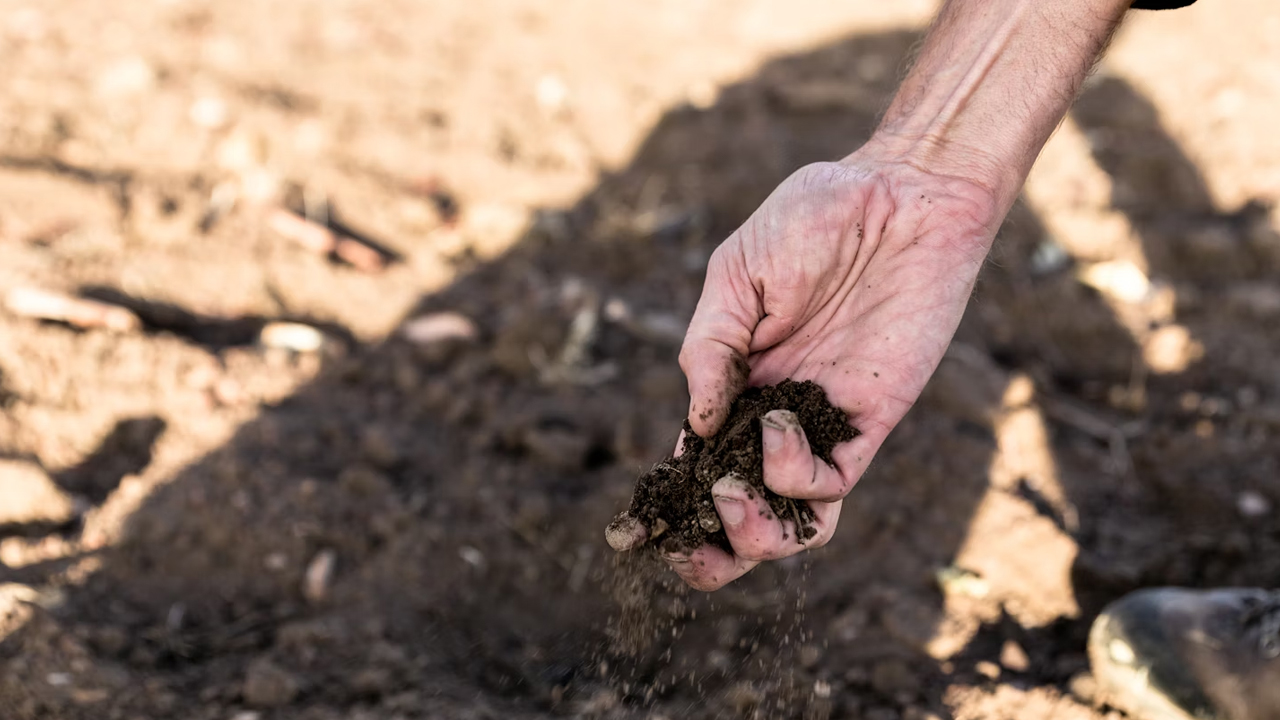
You might skip testing your soil, but it’s important to know what nutrients it has or lacks. Without a soil test, you could be planting in soil that isn’t right for your plants.
Testing helps you understand if your soil needs amendments to improve fertility. This step can save you time and frustration later by giving your plants the best start possible. For more on this, check out gardening advice on failing to test soil.
Ignoring specific sunlight needs of plants
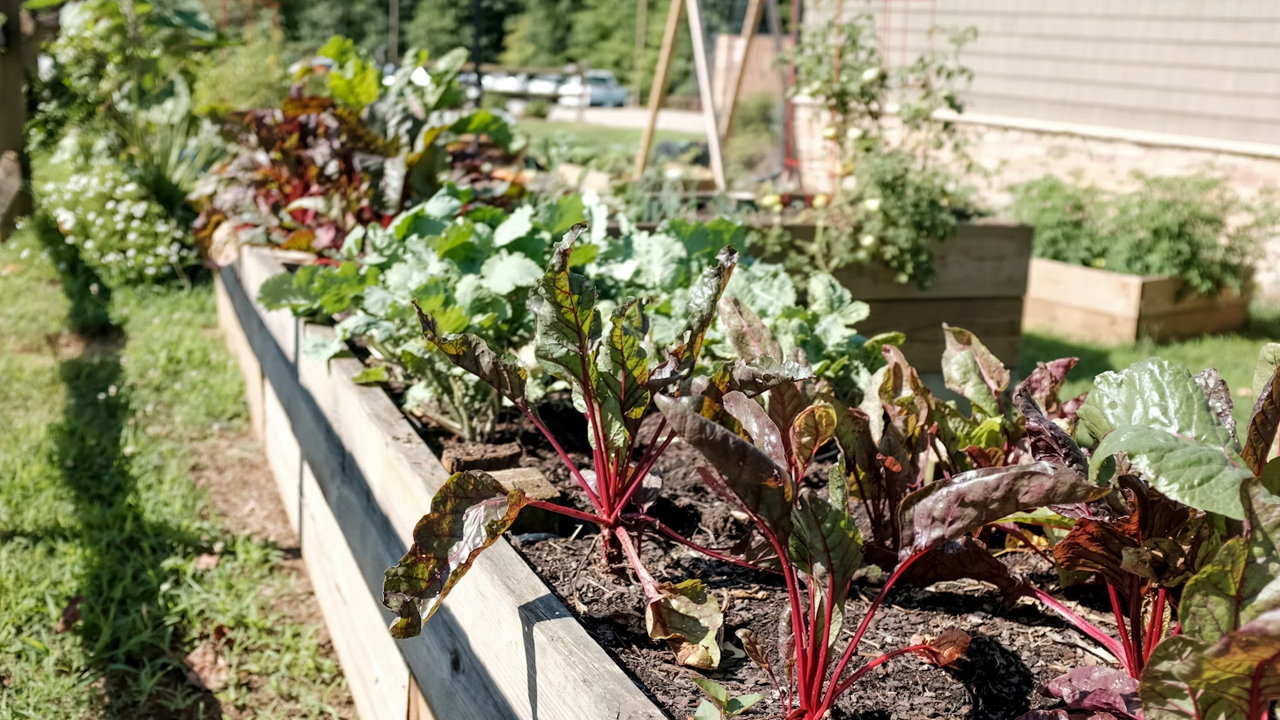
You might think any spot in your garden will work, but plants have different light requirements. Some need full sun, while others thrive in shade.
If you plant sun-loving vegetables in a shady spot, they won’t grow well. Make sure to observe how much sunlight your garden receives each day and match plants to those conditions.
Understanding your plants’ sunlight needs helps them grow healthier and stronger. For more tips, visit 10 mistakes new gardeners make (and how to avoid them).
Overwatering leading to root rot
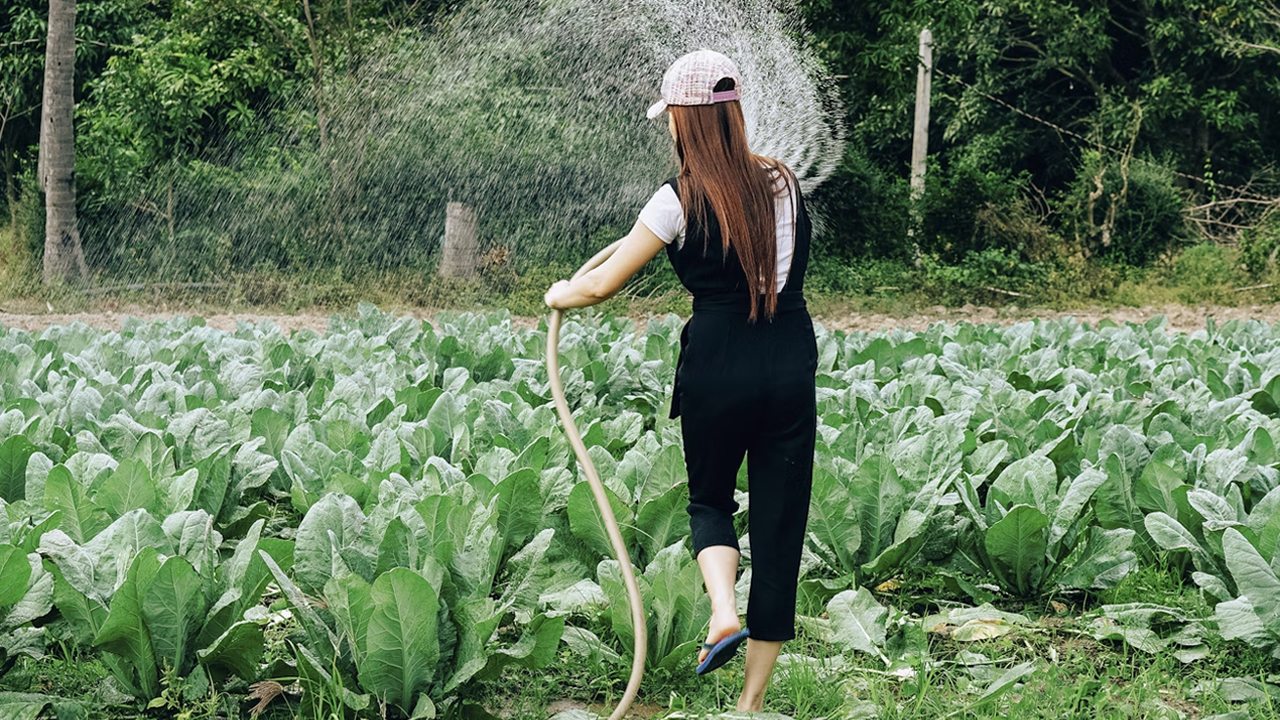
If you water your plants too much, their roots can start to rot. This happens because excess moisture prevents roots from getting enough oxygen.
Check the top inch of soil; if it feels dry, it’s time to water again. Avoid drenching the soil to keep roots healthy.
Using well-draining soil can also help prevent root rot by letting water flow through easily. Learn more about avoiding this issue here.
Skipping ‘watering in’ newly planted seedlings
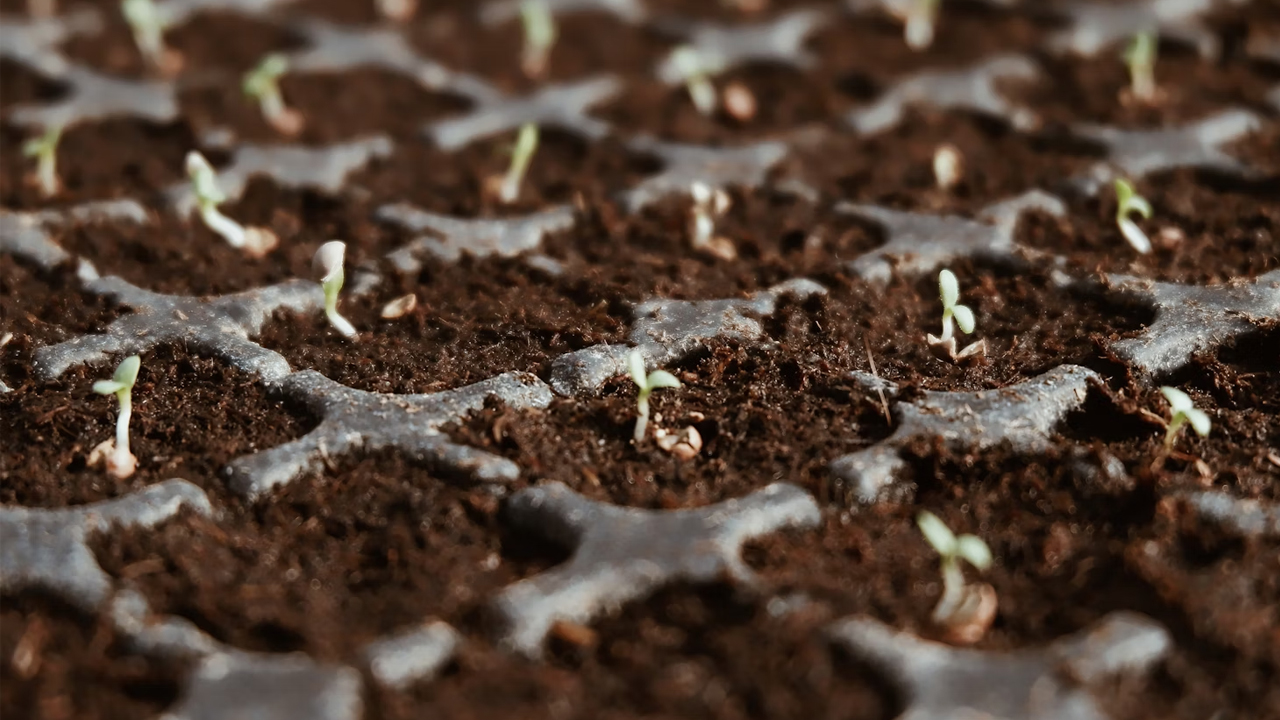
When you plant seedlings, it’s important to water them right away. This helps settle the soil around the roots and removes air pockets.
If you skip this step, your seedlings might dry out or struggle to establish. A gentle watering after planting gives them the best start and keeps the soil moist but not soggy. For more tips on watering, check common seed starting mistakes.
Planting at the wrong time of day or season
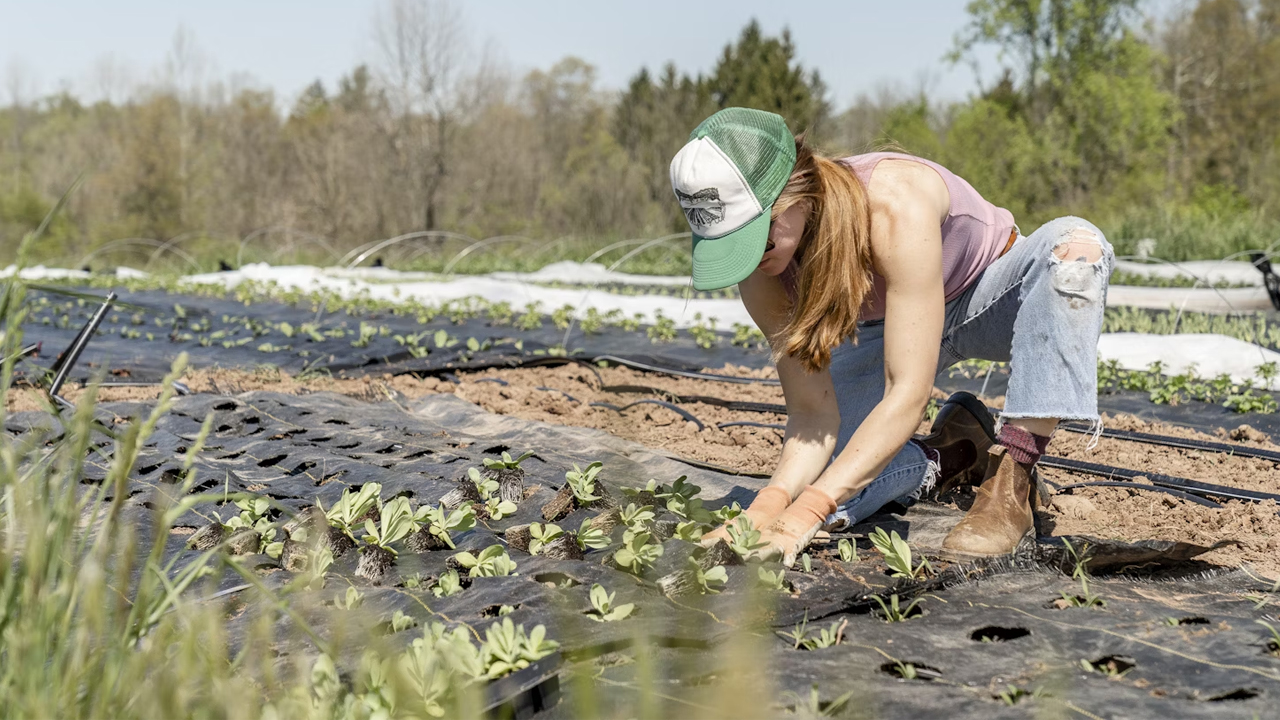
You can stress plants by planting them during the hottest part of the day. Early morning or late afternoon are better times because temperatures are cooler.
Season matters too. Planting too early or too late can stunt growth or kill seedlings. Knowing your local frost dates helps you time planting well.
Choosing the right season allows your garden to thrive naturally. For more tips on timing, check out this guide on gardening mistakes to avoid.
Buying too many seed packets without a plan
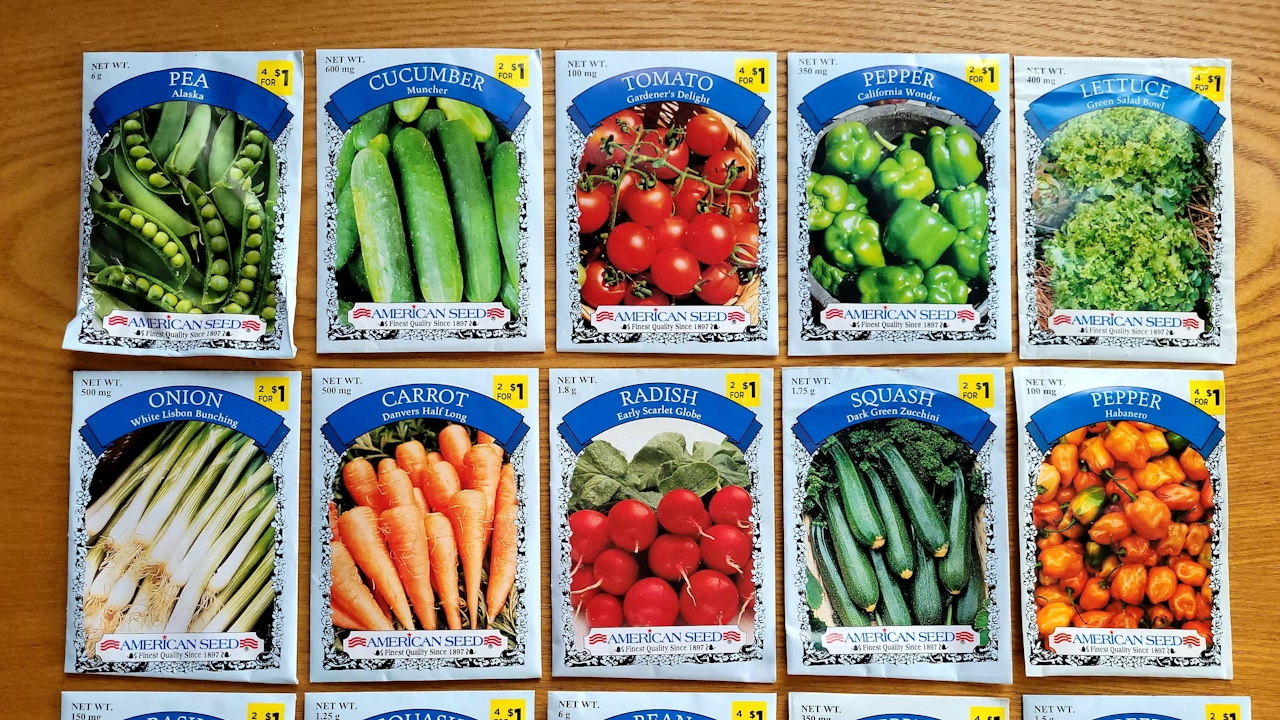
You might be excited and grab lots of seed packets at once. But without a clear plan, you risk overcrowding your garden and wasting seeds.
Focus on what you really want to grow and how much space you have. This helps you avoid buying more than you need or plants that won’t thrive.
Start small, then expand as you learn what works best for your garden. For tips on seed buying, check this guide on common seed buying mistakes.
Neglecting to prepare for winter protection
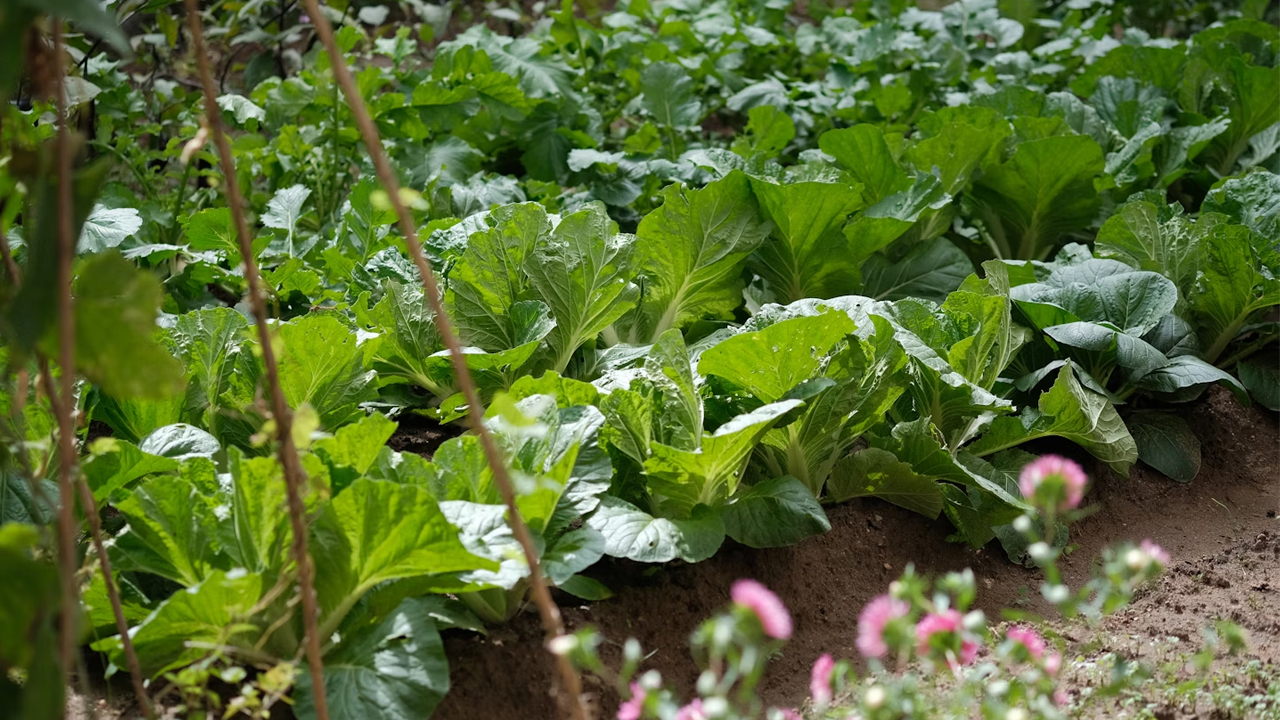
You might forget to protect your plants as colder weather approaches. Without proper winter care, sensitive plants can suffer damage or die.
Make sure to mulch around the base to insulate roots. Cover delicate plants with frost cloth or move potted plants indoors. Preparing for winter helps your garden bounce back in spring. For more advice, see common mistakes beginner gardeners make.
Not interplanting for pest and space management
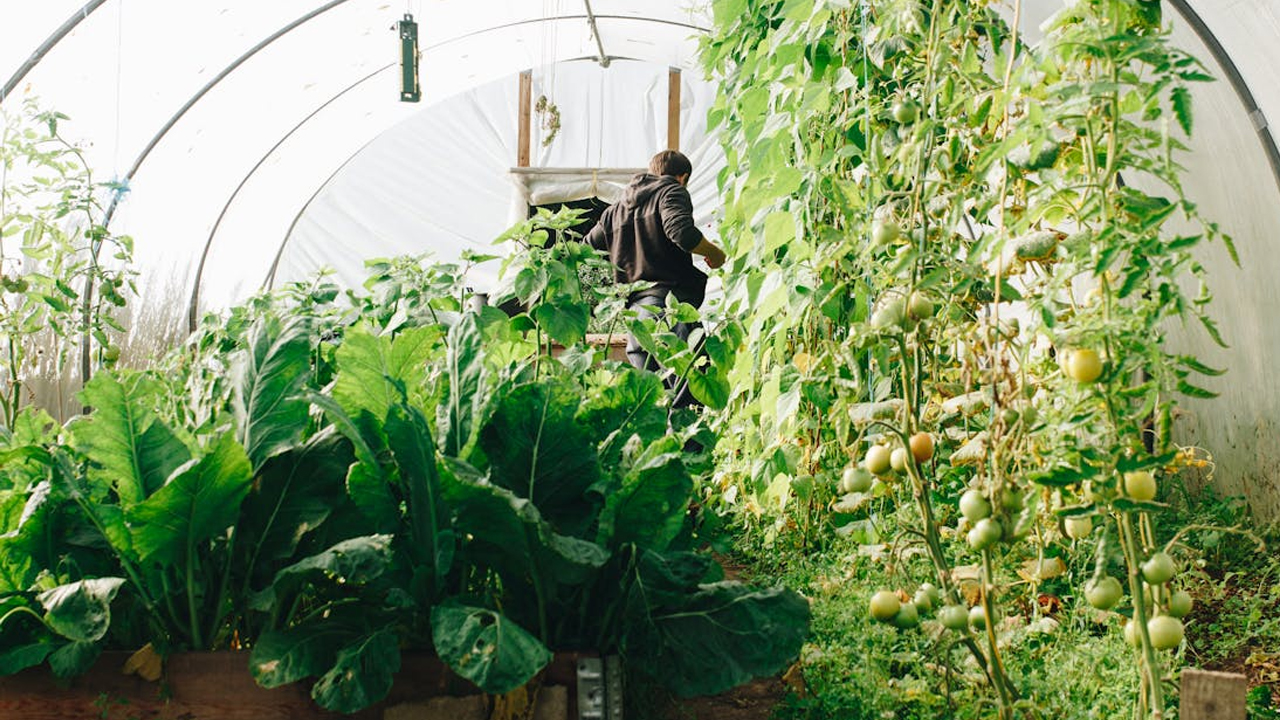
Not interplanting means missing out on natural ways to manage pests. When you mix different plants, some can repel insects that harm others.
It also helps you use your garden space more efficiently. By planting compatible species together, you give your plants room to grow and keep pests in check.
Try adding herbs or flowers among your vegetables to keep bugs away and make the most of your space. For more ideas, see this guide on interplanting.
Leave a Reply