

Managing a farm means making sure your animals live together peacefully and safely. Different species have different needs and behaviors, and not all of them mix well. Understanding which animals should never share the same space can save you time, stress, and potential injuries.
Knowing which 12 animals you should never keep together helps you create a safer, healthier environment for your farm. This guide will help you avoid common problems by highlighting the combinations that often lead to conflict or harm.
Male mice should never be housed together due to aggression.
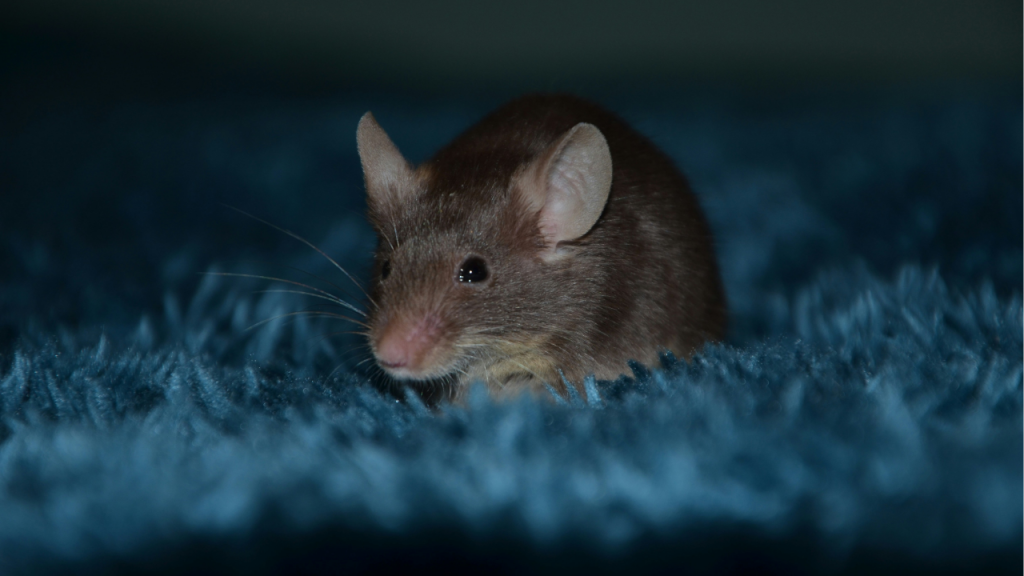
If you keep male mice together, you’ll likely see fighting. Male mice don’t naturally share territories and can become aggressive toward each other.
Even though they are social animals, group housing can lead to stress and injury. It’s safer to house males separately or provide other types of companions to reduce aggression. You can learn more about this in studies on group-housed male mice aggression.
Adult male goats (bucks) often fight if kept in the same pen
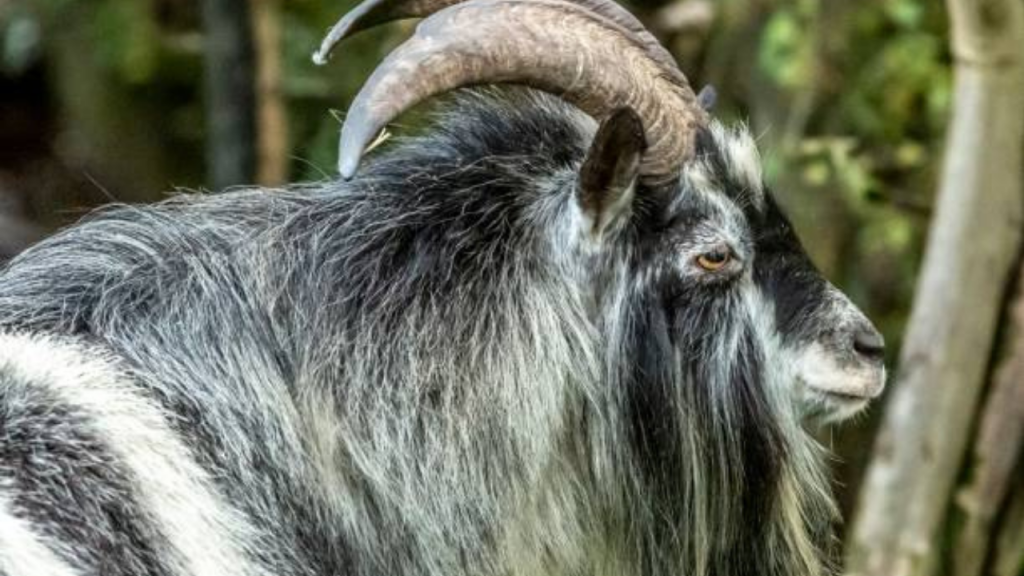
If you keep adult male goats together, be ready for some serious fighting. Bucks have strong hormones that can make them aggressive toward each other.
You might need to separate them, especially during breeding season, to prevent injuries. Some farmers manage multiple bucks together, but it requires plenty of space and supervision.
Learn more about managing bucks and their behavior here.
Adult male pigs tend to be aggressive and can’t share space easily
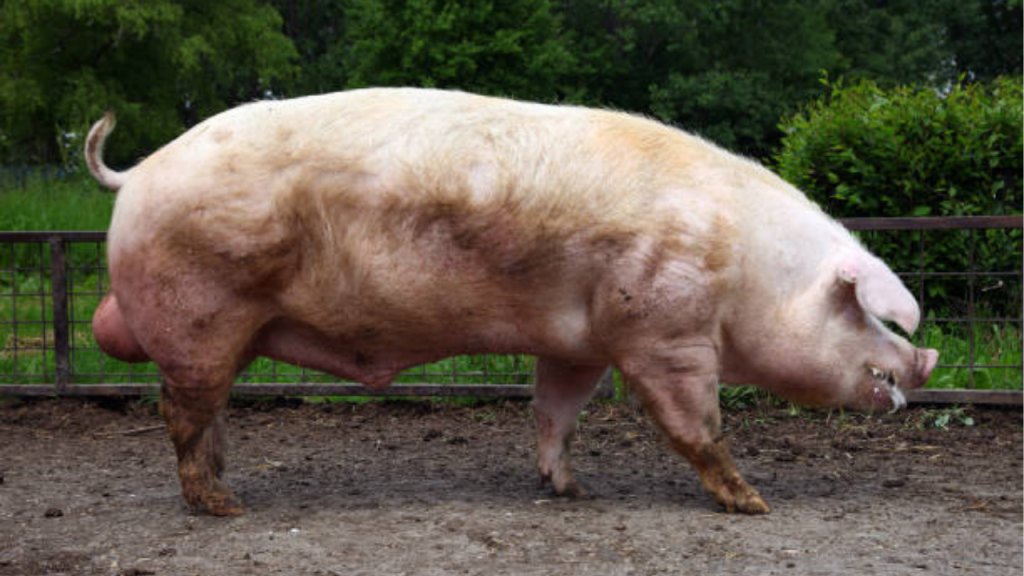
You should know that adult male pigs, especially if not castrated, often show aggressive behavior. This can lead to fighting when they share the same space.
Aggression increases stress and injury risk in your pigs. It’s best to house adult males separately to keep them safe and healthy. For more details on pig behavior, check this information on pig welfare.
Llamas and alpacas may not get along when confined closely.
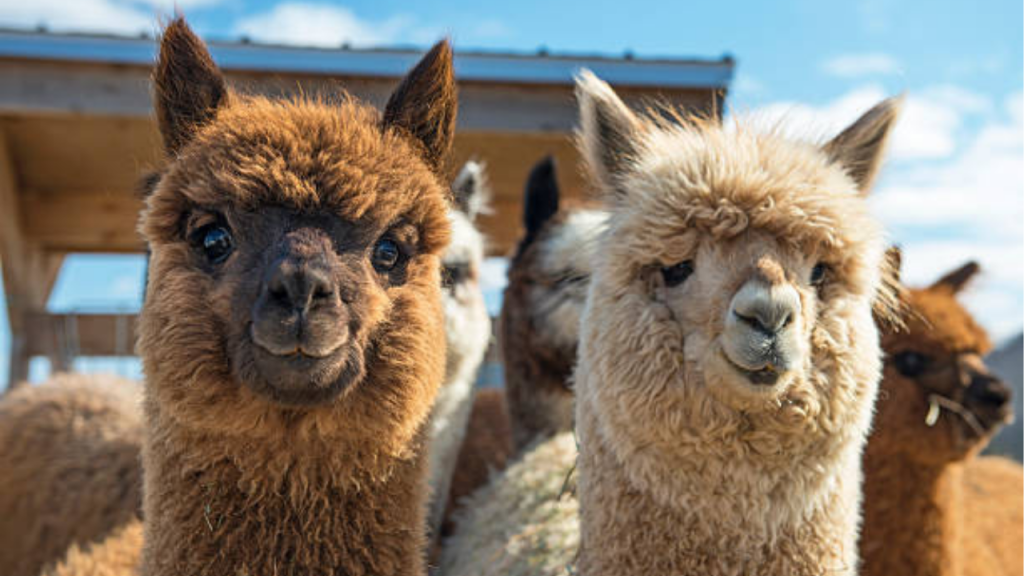
You might think llamas and alpacas can easily share a small space since they are related. However, they have different temperaments and social needs.
If you keep them too close, tensions can rise, leading to stress or aggression. Giving them enough room helps maintain peace and allows both animals to feel comfortable together.
Adult roosters from different flocks typically fight when kept together
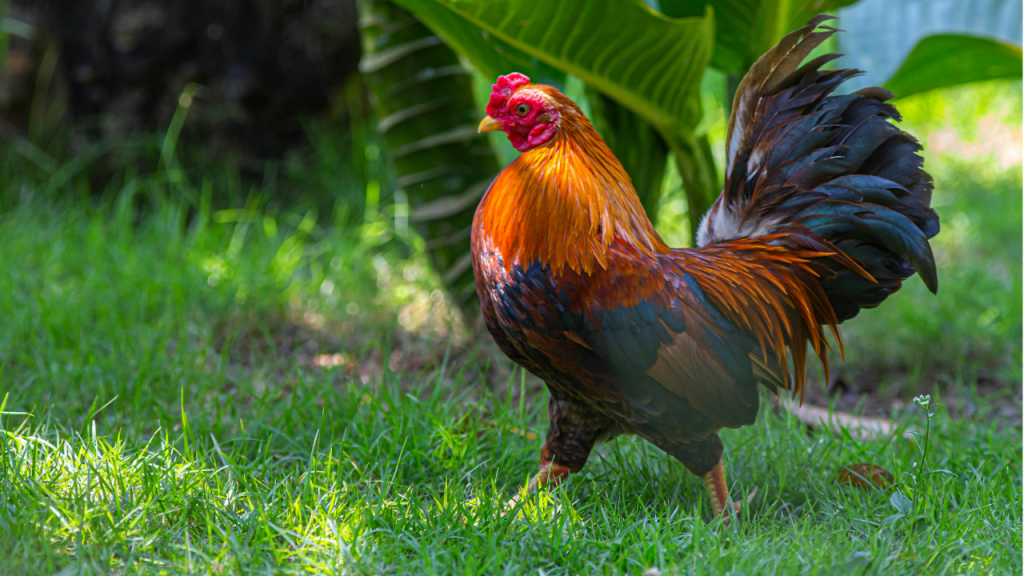
If you put adult roosters from different flocks in the same space, expect some fighting. They often fight to establish dominance and protect their territory.
You can reduce conflicts by giving them plenty of room and hiding spots. Sometimes, small scuffles happen, but serious fights usually mean they need separate areas.
Keeping roosters together works best when you follow a good hen-to-rooster ratio to minimize aggression. For more details, see tips on keeping multiple roosters in a flock.
Predator dogs should not be housed with chickens or small birds
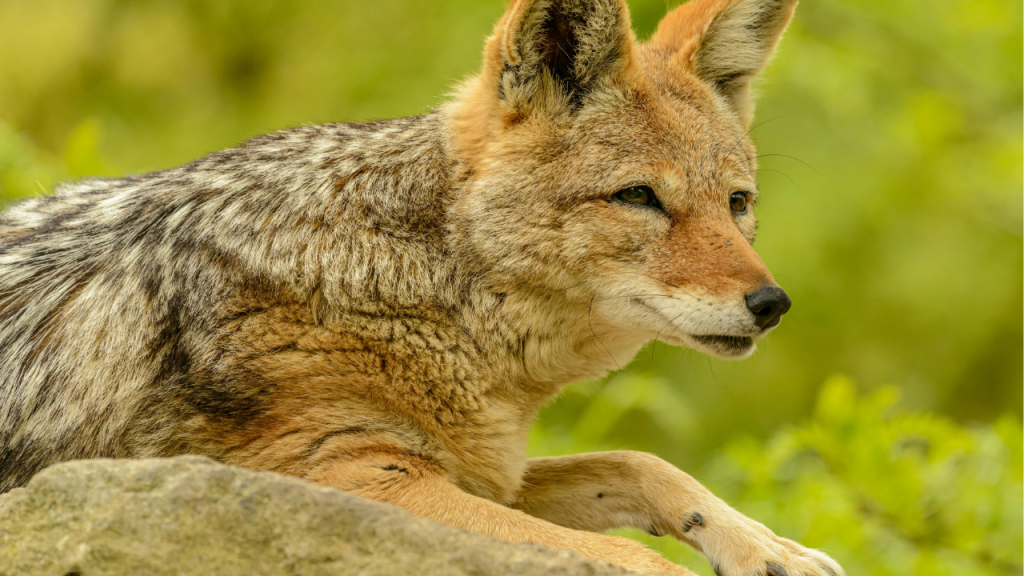
You should avoid keeping predator dogs around chickens or small birds. Dogs naturally see these animals as prey, which can lead to stress or harm for your birds.
Even well-trained dogs might accidentally trigger their hunting instincts. This can cause injury or loss to your flock, so it’s safer to house them separately.
Socializing dogs with chickens can help, but it doesn’t guarantee safety. Learn more about managing dogs and chickens together here.
Horses and pigs can compete fiercely if forced to share limited feed.
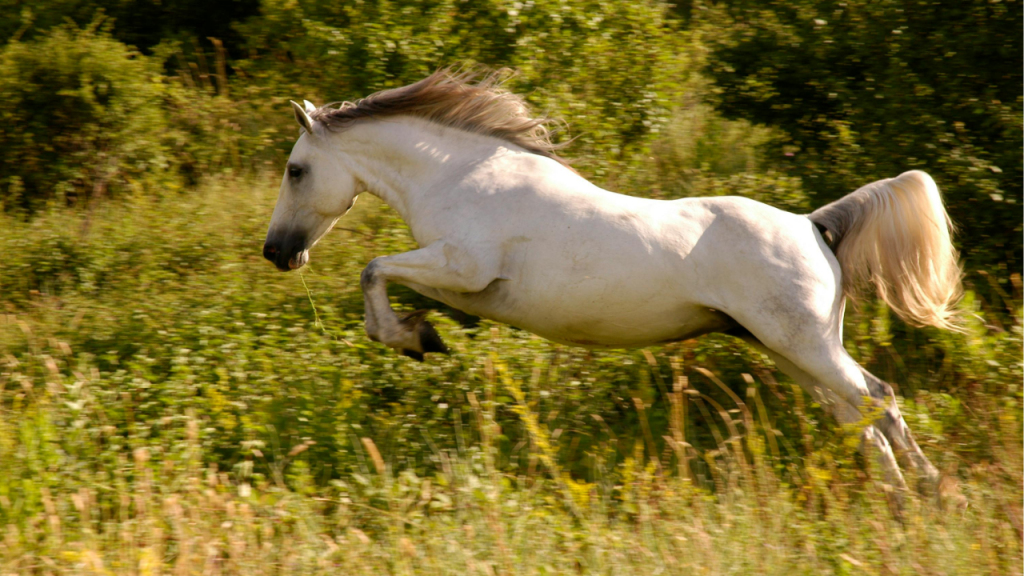
If you keep horses and pigs together, be careful with feeding. They may compete aggressively when food is scarce.
Pigs can be pushy and quick, which might stress your horse. This competition can lead to uneven nutrition for both.
Make sure to provide separate feeding areas to keep peace and ensure each animal gets enough to eat. You can learn more about farm animal interactions here.
Cows and sheep should not be kept together in small pastures with scarce food
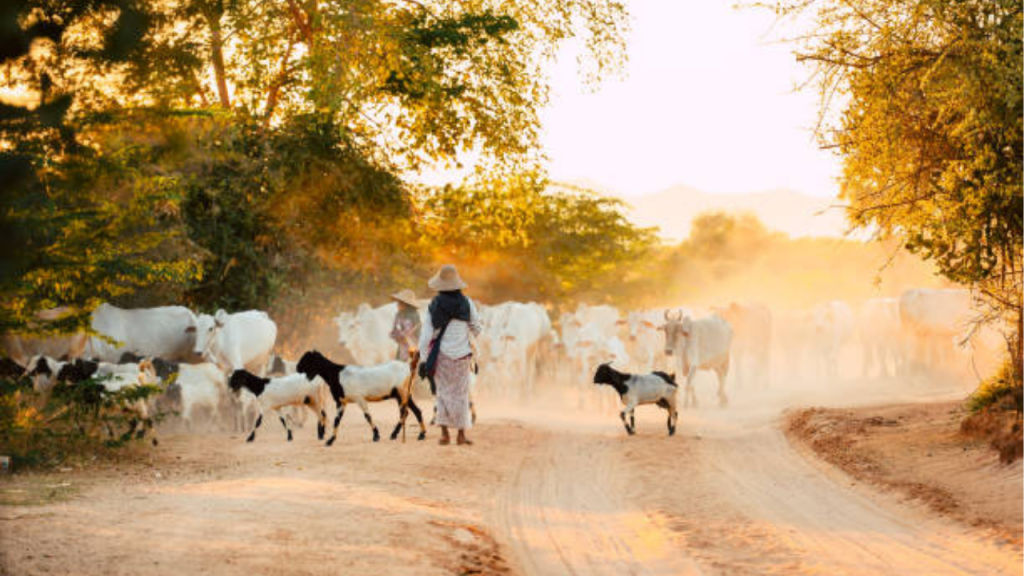
If your pasture is small and food is limited, mixing cows and sheep can cause problems. Sheep tend to graze much closer to the ground than cows, which can leave little for the cows to eat afterward.
This difference makes it hard for both animals to get enough nutrition. You’ll want to avoid putting cows directly behind sheep in rotation to prevent overgrazing and competition for scarce food. For more details, see putting sheep and cattle on the same pasture in rotation.
Turkeys and chickens can quarrel aggressively over space in tight quarters
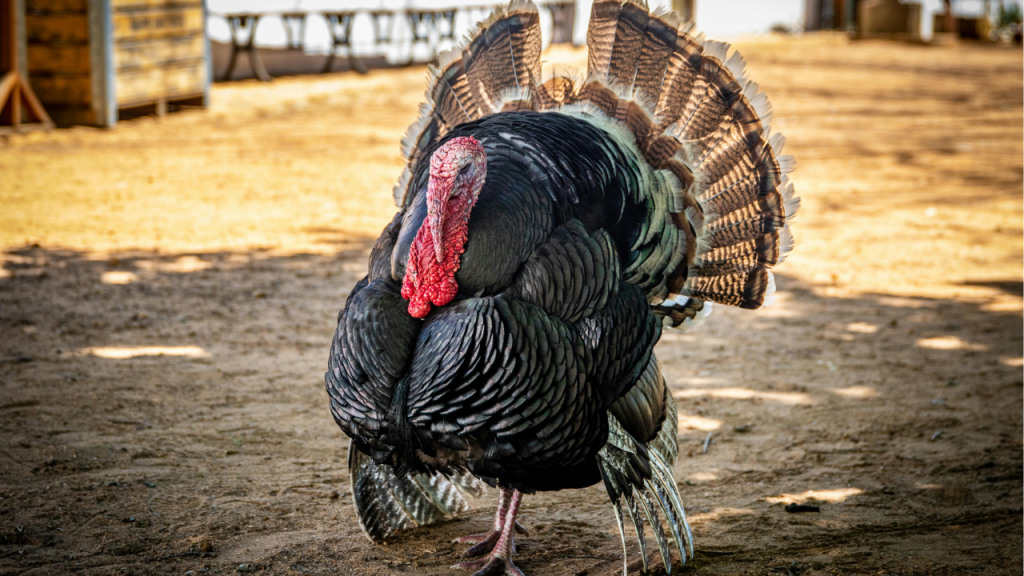
If you keep turkeys and chickens too close, they may start quarrelling. Both birds need enough room to move without feeling threatened.
Turkeys are larger and can be more dominant, which might stress chickens. When space is limited, this can lead to aggressive behavior and injuries.
To avoid conflicts, give each species its own space or ensure the area is large enough for both to coexist peacefully. You can learn more about managing space between them at Get Strong Animals.
Donkeys and goats may become territorial and aggressive when crowded
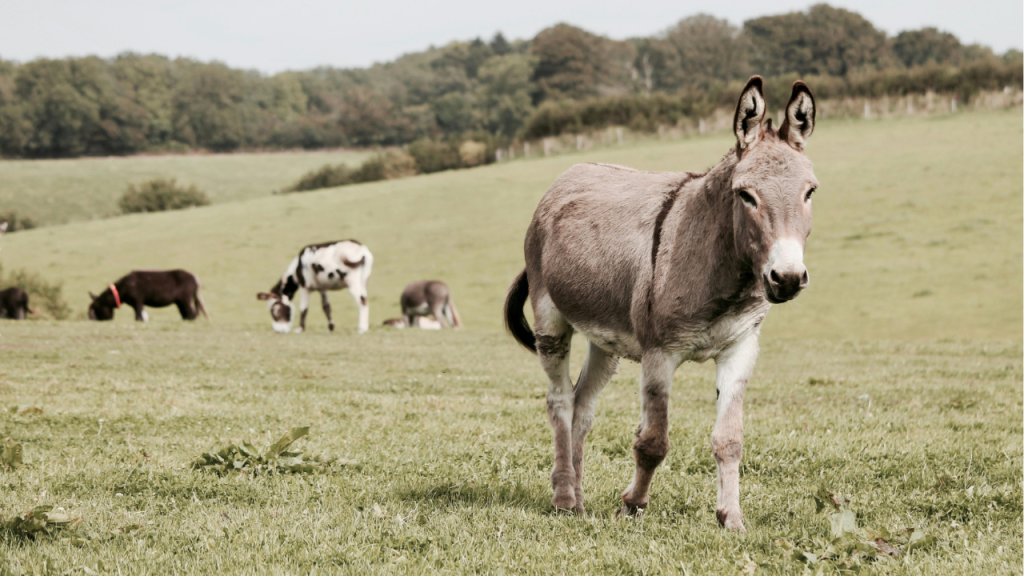
If you keep donkeys and goats too close together, you might notice they start acting territorial. Donkeys can chase or even attack goats to protect their space.
Goats also may become stressed and aggressive if they feel crowded by donkeys. Giving each enough room helps keep your animals calm and safe. Learn more about donkey behavior with other livestock here.
Male rabbits are territorial and should be housed separately.
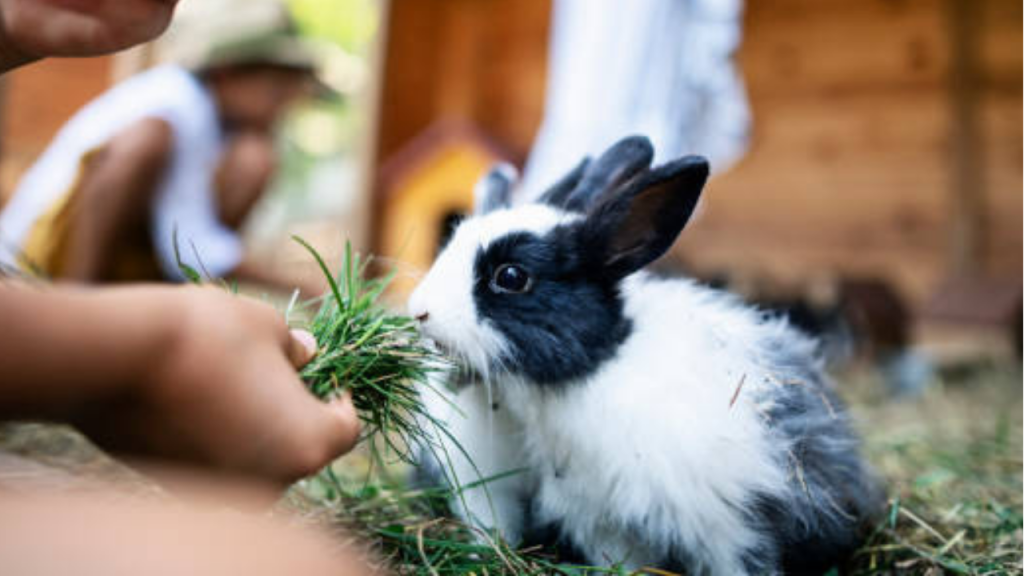
You should avoid keeping unneutered male rabbits together. They tend to be very territorial and can fight to establish dominance.
If you do want to house males together, neutering is important to reduce aggression. Even then, monitor them closely to prevent conflicts.
Keeping your rabbits comfortable means respecting their natural behaviors and space needs. For more on rabbit social habits, see this guide on rabbit companionship.
Guinea hens and other poultry breeds can have conflicts when confined
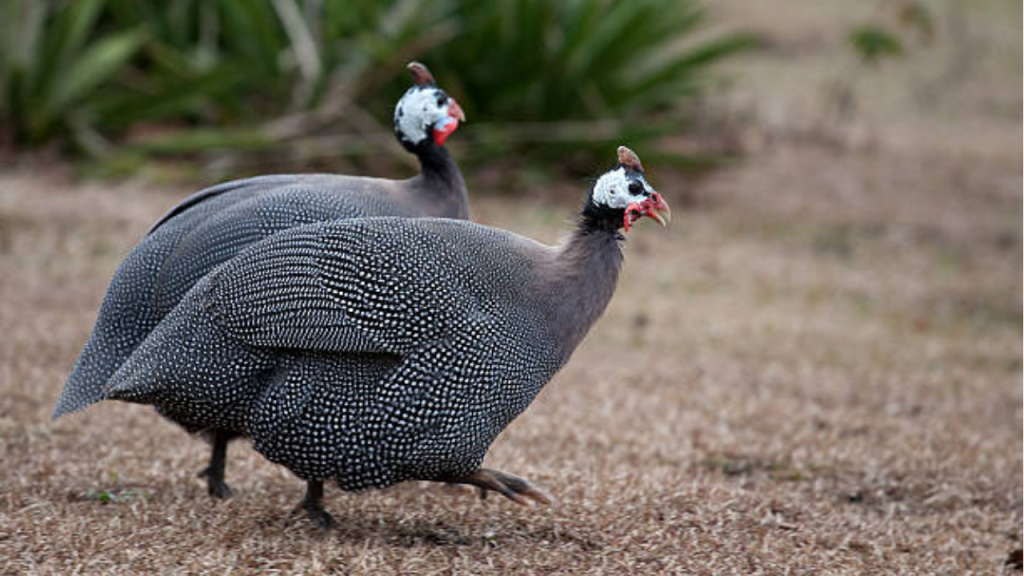
If you keep guinea hens with other poultry, be ready for some tension. Guinea hens can bully chickens and may not accept newcomers easily.
You should give them plenty of space to reduce pecking and fighting. Crowded conditions only make conflicts worse.
It’s often best to house them separately or supervise closely if they share a coop. More details on managing this can be found at how to keep different poultry types living together in one coop.
Leave a Reply