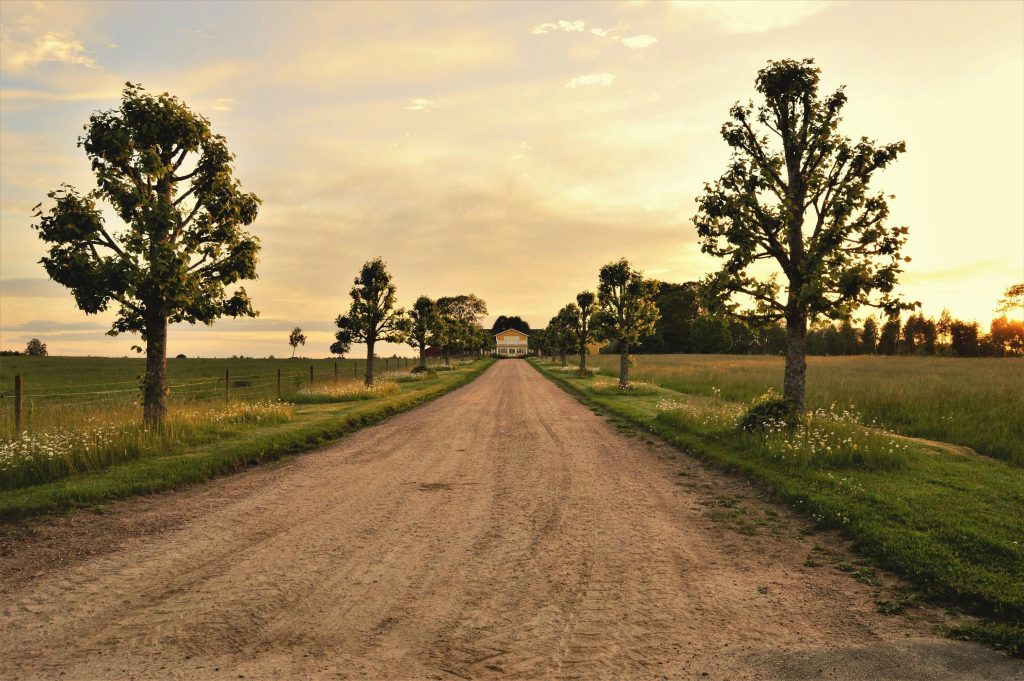

Living closer to the land brings a unique rhythm to your life that many don’t get to experience. It changes how you see the world, how you manage your time, and how you connect with nature and community. You might expect some challenges, but you’ll also discover unexpected rewards.
The key value of living near the land is learning how to adapt and find balance in a simpler, more grounded lifestyle. This article will share insights that can help you understand what to expect and appreciate when you make this kind of change.
Patience grows when you embrace slow rural rhythms.

When you live closer to the land, your pace naturally slows down. You start to notice how the day follows the sun and the seasons set the agenda.
You learn that some things, like growing crops or waiting for rain, can’t be rushed. This slower rhythm teaches you patience in a gentle, natural way.
By tuning into these rural patterns, you begin to appreciate the value of waiting and the peace that comes with it.
Simple kitchen maintenance is key to daily peace
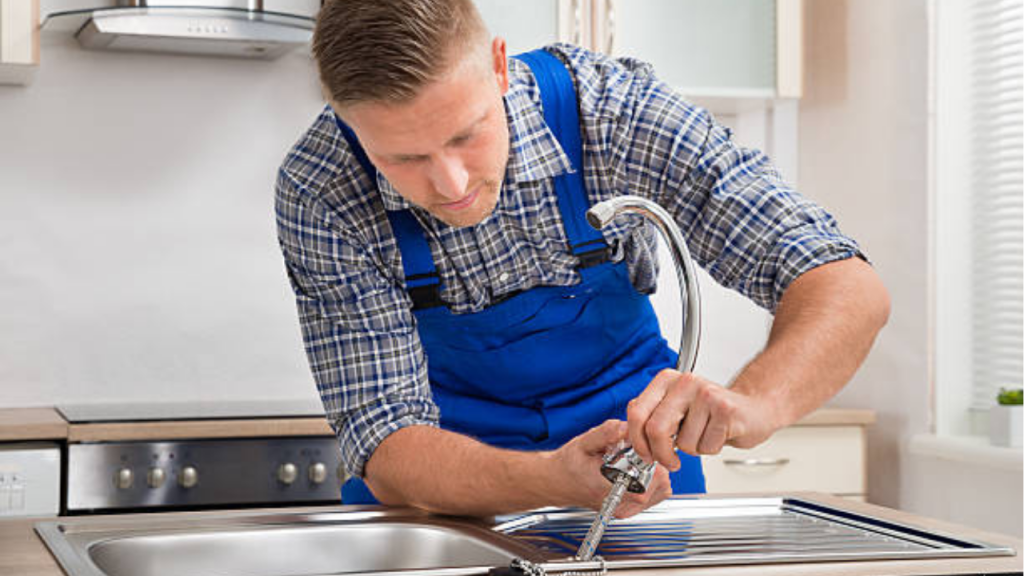
Keeping your kitchen tidy helps you feel calm and organized every day. Small habits like wiping counters and clearing clutter make a big difference.
When your kitchen is easy to use, cooking becomes more enjoyable. Regularly putting things back where they belong saves time and stress later.
You don’t need a perfect kitchen, just simple upkeep. This approach creates a peaceful space that supports your daily life. For more on decluttering your kitchen, see six steps for decluttering your kitchen.
Neighbors become family in country living
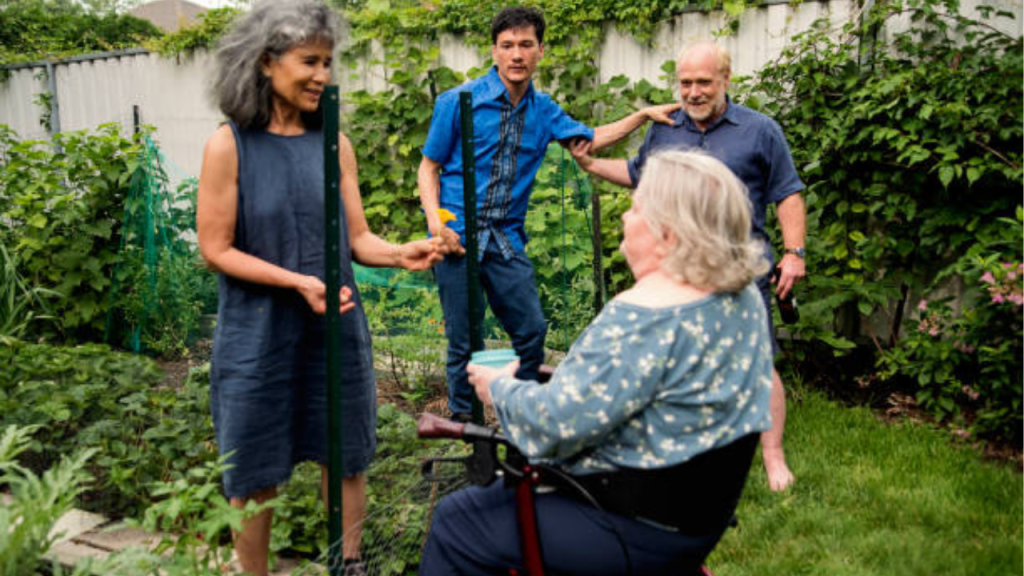
You quickly learn that neighbors in the country are more than just people next door. They become part of your daily life and often feel like extended family.
You might share tools, help with chores, or simply catch up over a cup of coffee. This close connection creates a strong sense of community and trust.
Being a good neighbor means more than just waving; it means being ready to support each other when it counts. For tips on building these bonds, see 25 Ways to Be a Good Neighbor.
Weather shifts teach adaptability every year.
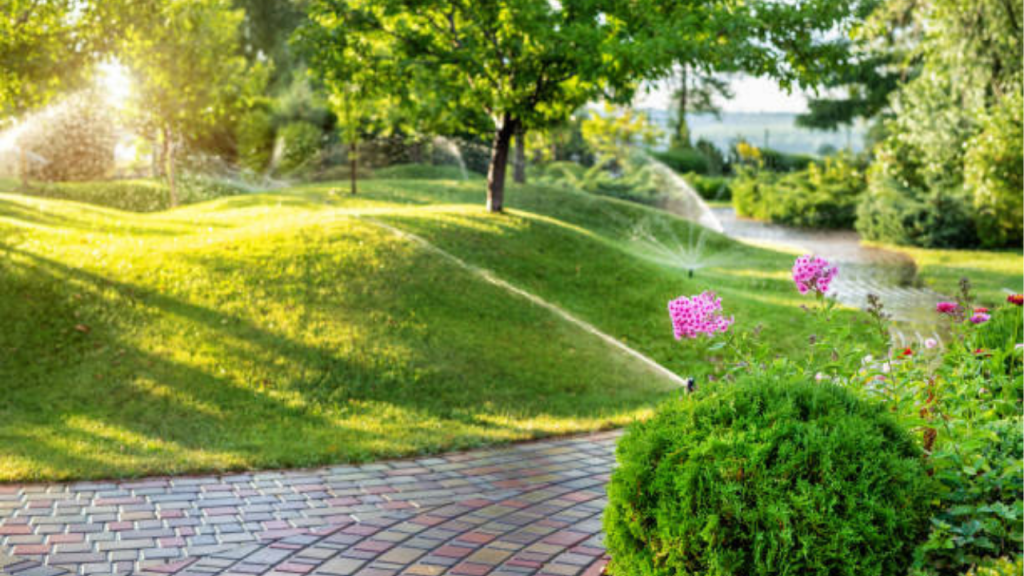
You learn quickly that weather is never the same twice. One season might bring heavy rains, and the next could be unusually dry.
These changes push you to adjust your plans, whether for planting or daily chores. By paying attention, you develop a routine that’s flexible and resilient.
Living close to the land helps you understand why adapting to weather shifts is essential for success every year.
Kids thrive with fewer, meaningful toys
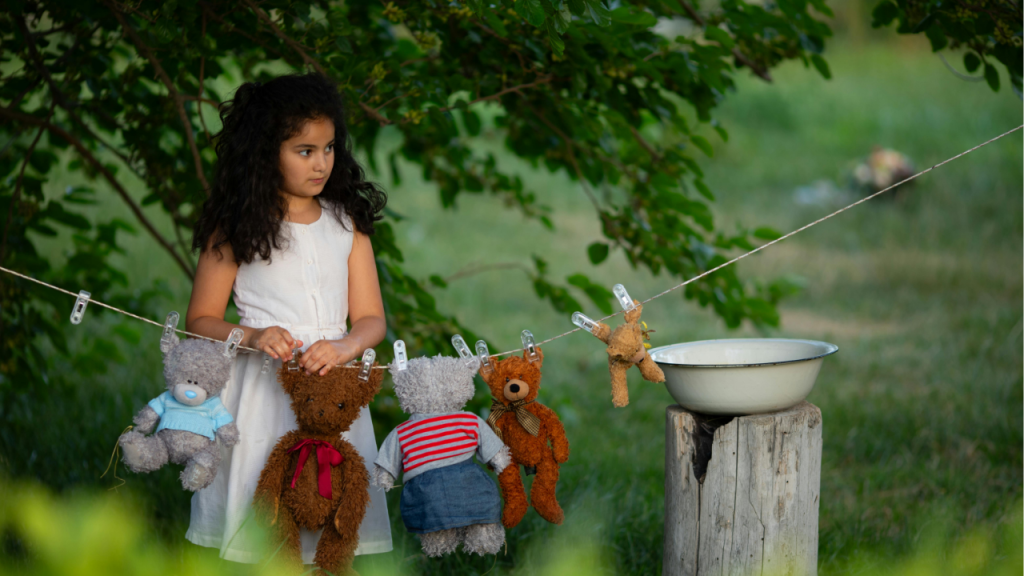
You’ll notice that your kids do better with fewer toys around. When they have less, they focus more and aren’t overwhelmed by choices.
Meaningful toys spark creativity and longer playtimes. Research shows that children in simplified environments tend to be happier and more engaged.
By giving your kids fewer, quality toys, you help them develop imagination and reduce distractions, making playtime more valuable for them and you. See more on how kids thrive in simple settings here.
Short drives to essentials build appreciation
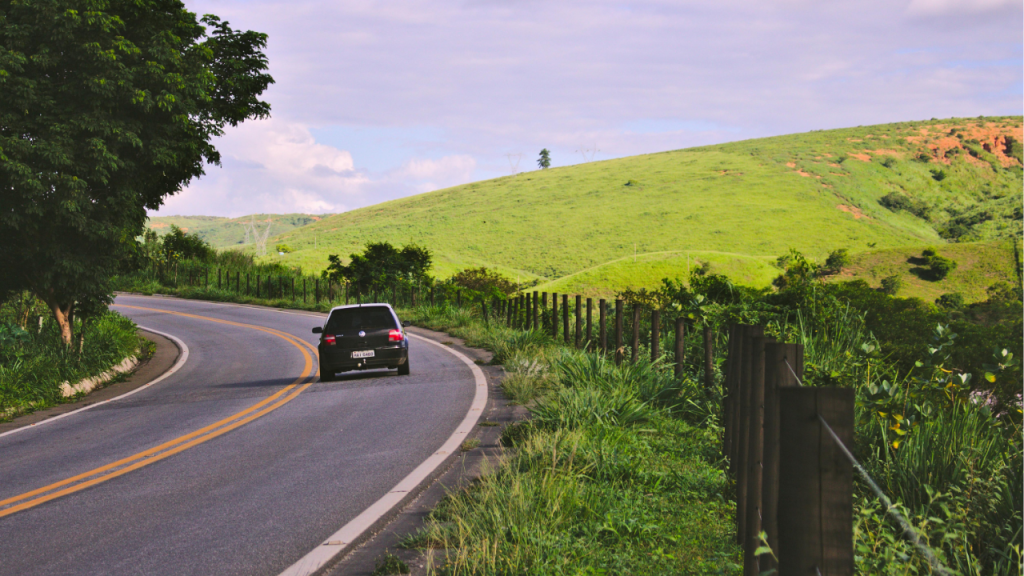
When you live closer to the land, essentials are often a short drive away. You start to notice how valuable those nearby resources really are.
Making quick trips for fresh food or supplies helps you appreciate what you have. It also teaches patience and planning in a simple, natural way.
This small effort connects you more with your environment and community. It makes everyday tasks feel meaningful, not mundane.
Hosting feels warm when centered on service

When you focus on serving your guests, hosting becomes more meaningful. It’s not about fancy decor or perfection but about making people feel cared for.
Simple acts, like offering a drink or listening closely, create a warm atmosphere. Your attention makes guests comfortable and valued.
Hosting this way turns gatherings into genuine connections instead of just events. It’s a practice that brings you and your guests closer.
Managing a small home reduces stress
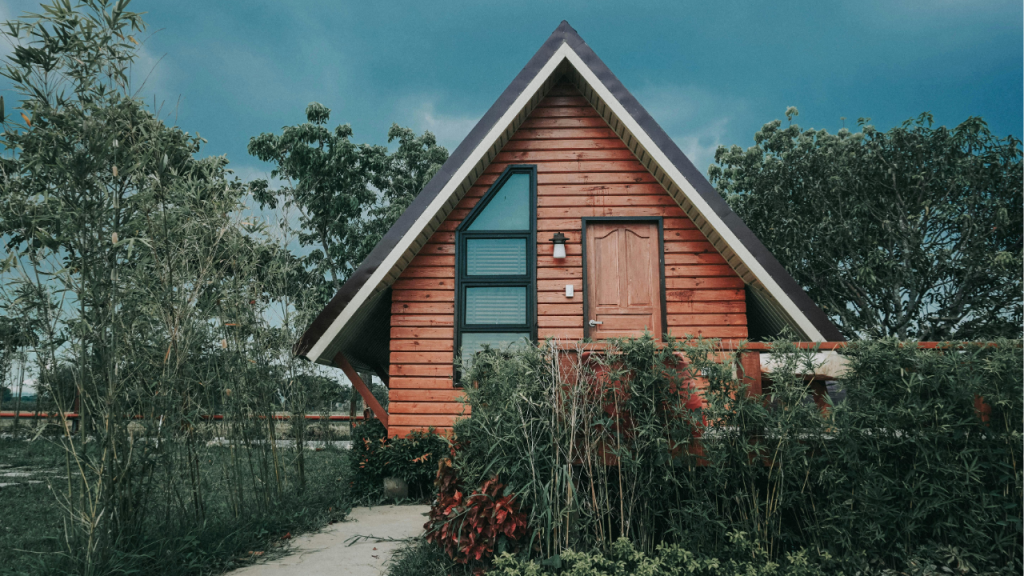
Living in a smaller space means less to clean and maintain, saving you time and energy.
With fewer possessions, you avoid clutter, which helps your mind feel clearer and more relaxed.
Your home becomes easier to organize, and you spend less time worrying about upkeep.
This simplicity creates a calmer environment, which can reduce daily stress naturally.
Off-grid living combines tech with comfort
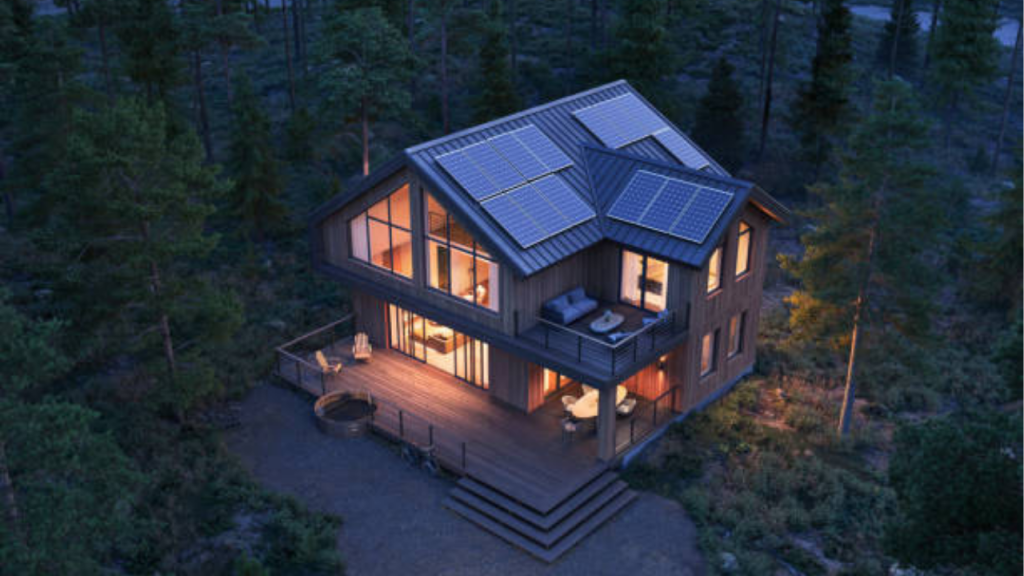
You can enjoy modern technology while living off-grid. Solar panels, generators, and propane provide reliable energy for your home.
Your water might come from wells or collected rain, but you can still have clean running water.
With some effort, you can balance self-sufficiency and comfort, as many off-gridders do. For examples of this lifestyle, see off-grid living communities online.
Self-reliance sparks confidence and hope

When you rely on yourself, you start to trust your own abilities more. Taking care of your land teaches you that you can solve problems on your own.
This growing confidence gives you hope for the future. You see challenges as chances to learn, not as obstacles.
Living closer to the land reminds you that you have what it takes to handle whatever comes your way. Embracing self-reliance helps you feel more grounded and capable. For more insights, see Emerson’s thoughts on self-reliance here.
Leave a Reply