
Building raised beds can be a rewarding way to grow your own vegetables or flowers, but it’s easy to make mistakes that affect your garden’s success. Whether you’re new to gardening or have some experience, understanding common pitfalls can save you time and effort.
Knowing what to avoid when building raised beds helps you create a healthier, more productive garden with less hassle. Taking a little extra care at the start can make a big difference in how well your plants grow and how enjoyable the gardening process feels.
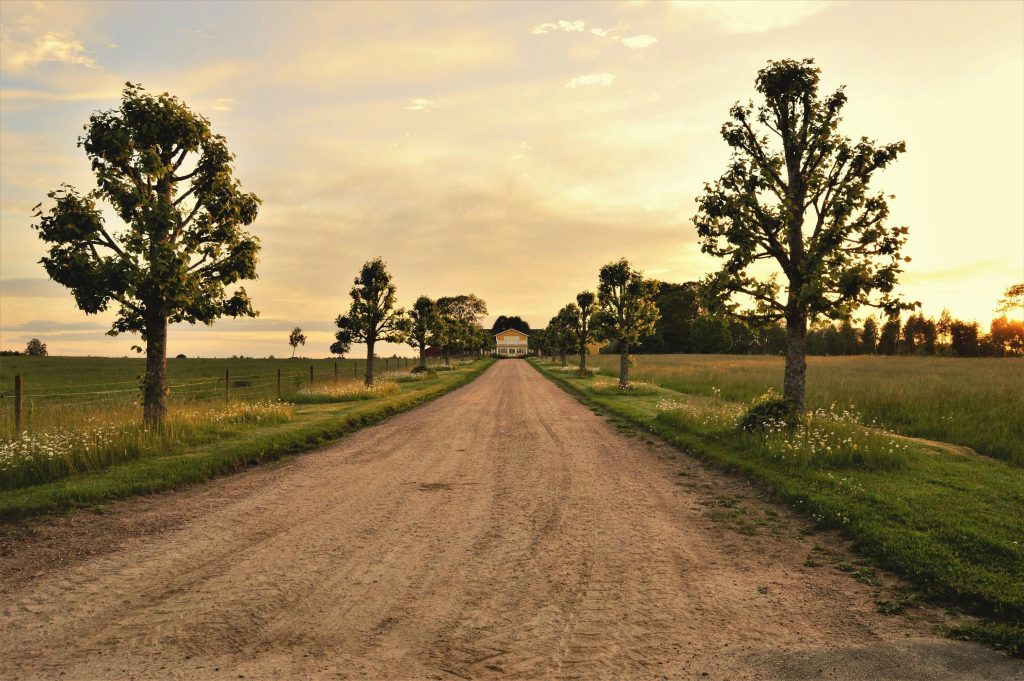
Choosing the wrong location for your raised bed
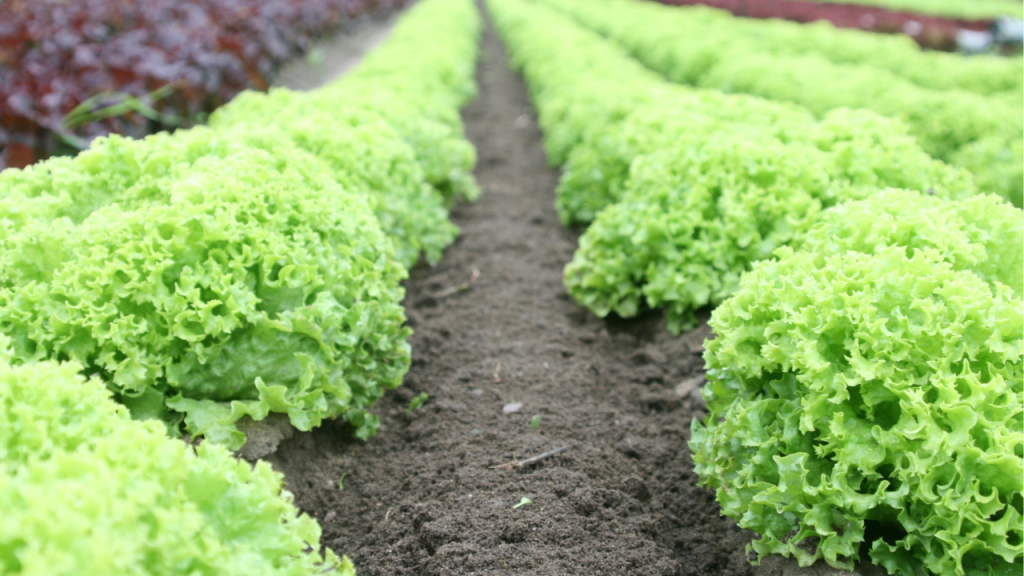
You want to pick a spot that gets plenty of sunlight, ideally at least six hours a day. Avoid areas with heavy shade or near large trees that compete for water and nutrients.
Also, make sure the ground is level and drains well. Poor drainage can lead to waterlogged soil, which is tough on your plants.
Choosing the right location will make your gardening easier and more productive. For more tips on location mistakes, see this guide on raised bed gardening pitfalls.
Using wood boards that are too thin and prone to warping
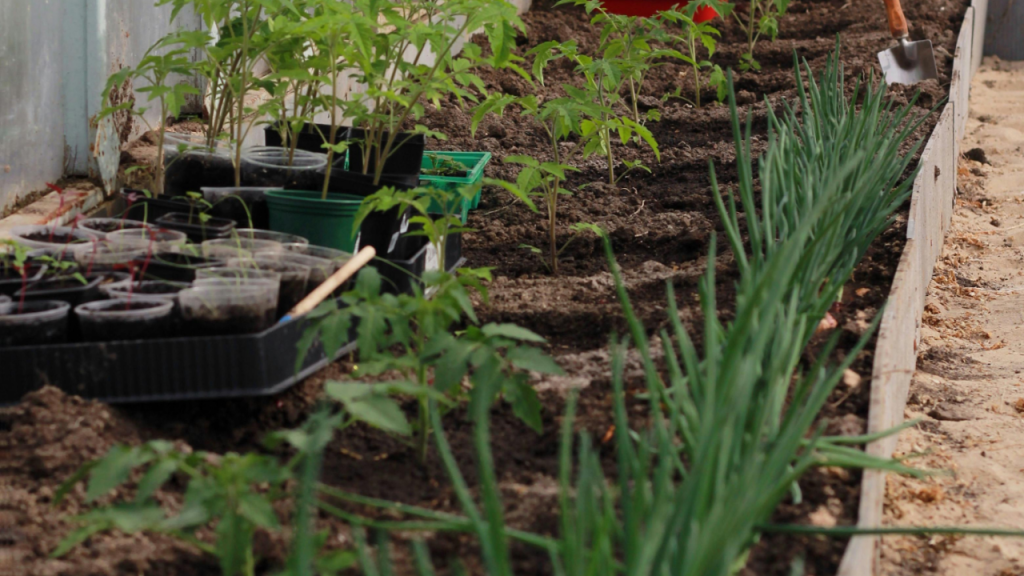
If you use thin wood boards for your raised beds, they can easily warp over time. Thin boards lack the strength needed to hold soil and moisture properly.
Thicker boards are more durable and resist warping better. Choosing sturdy wood helps your beds last longer and stay stable through the seasons.
If your boards warp, it can cause gaps and uneven soil levels, affecting plant growth. It’s worth investing in quality wood to avoid this issue. For more details, see tips on why thin boards warp.
Ignoring water access and irrigation planning
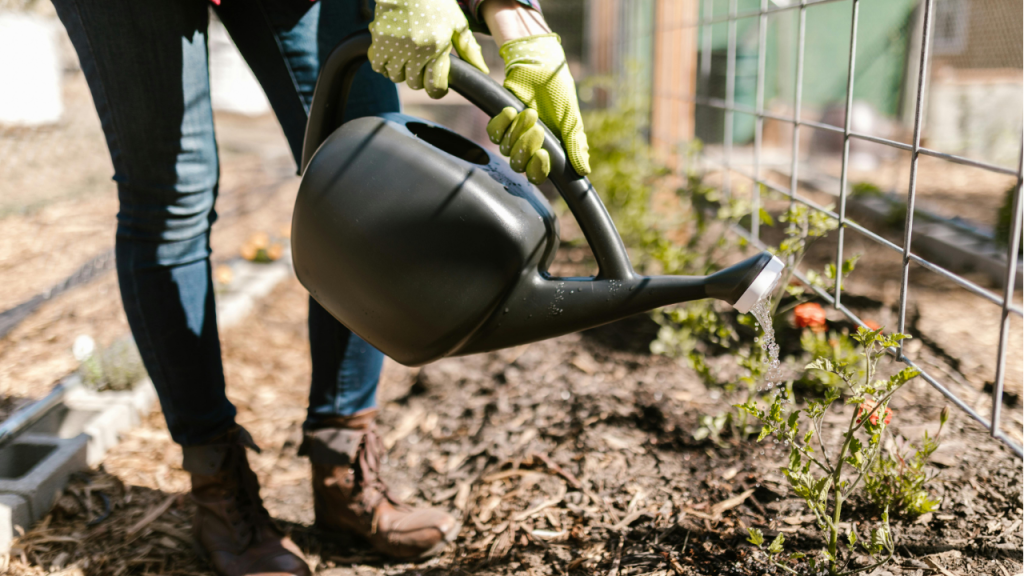
When building raised beds, make sure you consider water access from the start. If your beds are far from a water source, watering becomes a hassle.
Planning how you’ll irrigate helps keep plants healthy and saves time. Simple options like drip irrigation or soaker hoses can make watering easier and more efficient. Neglecting this step can lead to inconsistent watering and stressed plants. For more tips on common raised bed mistakes, check this guide.
Filling beds with poor or inappropriate soil
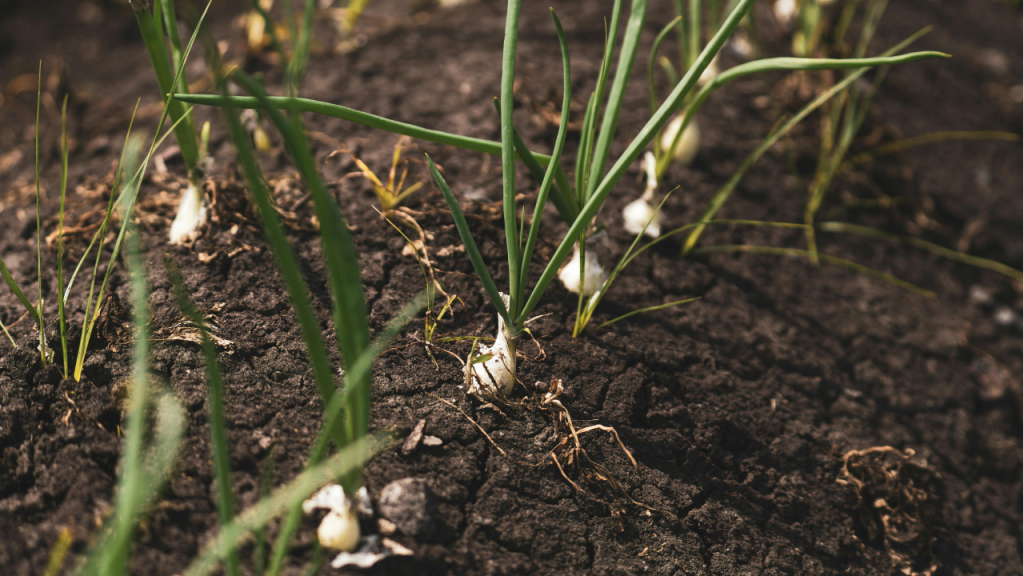
Using the wrong soil can hurt your plants’ growth. Avoid heavy clay, generic fill dirt, or just woodchips as they drain poorly and lack nutrients.
Aim for a light, rich, and well-draining soil mix. A good blend is about 60% topsoil, 30% compost, and 10% organic material to keep your raised bed healthy and productive.
Check out how mixing soil right can make a difference in your garden here.
Building beds too close together, limiting airflow
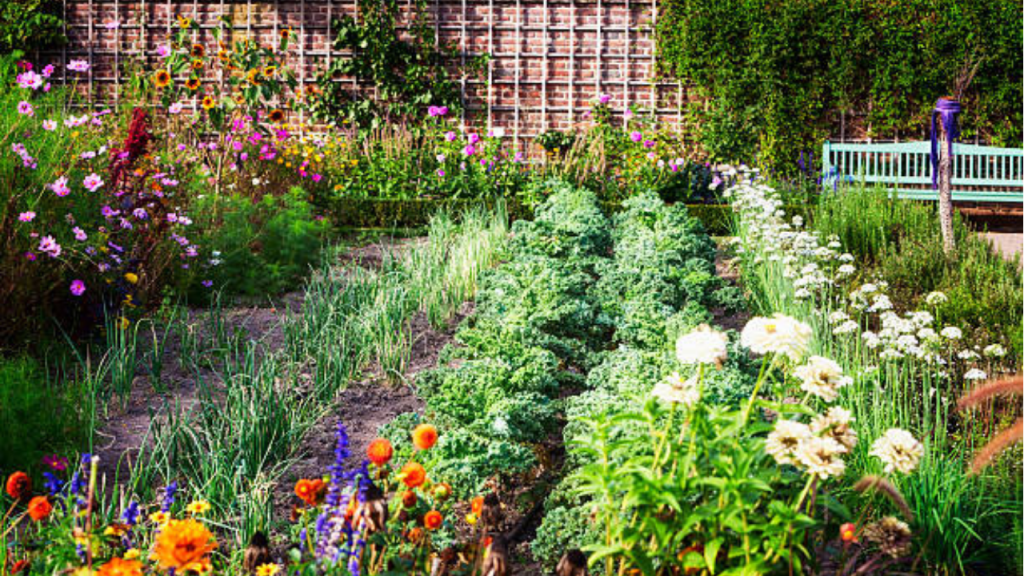
If you place your raised beds too close, it makes reaching your plants difficult. Narrow spaces can also restrict airflow between beds.
Limited airflow creates a damp environment, which encourages plant diseases like powdery mildew. Give your beds enough space to move around comfortably and keep the air flowing freely to help your garden thrive. For more details, check this guide on raised bed spacing.
Overcrowding plants inside the bed
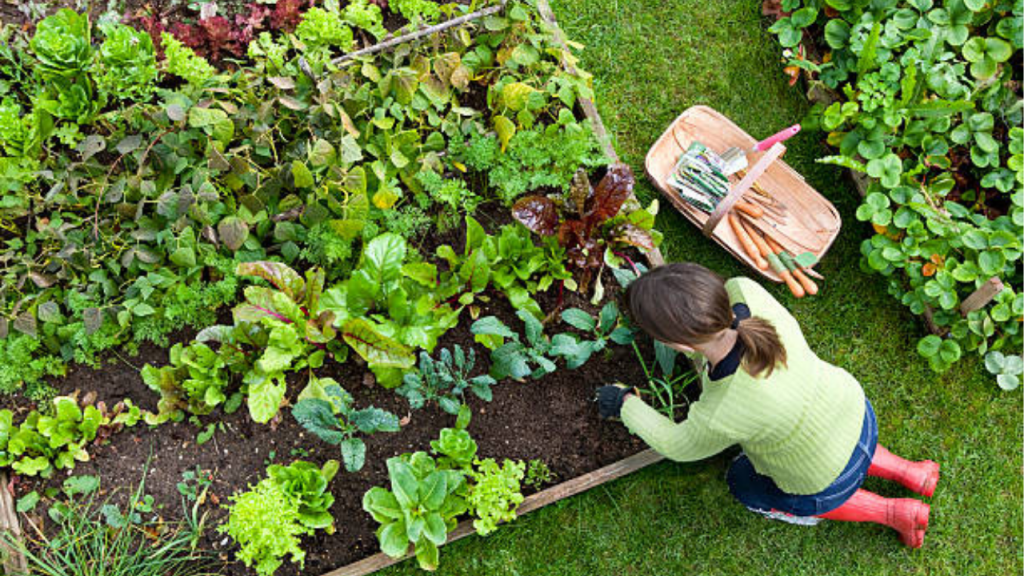
If you pack your raised bed too tightly, plants will compete for nutrients, water, and sunlight. This can slow growth and reduce your harvest.
Give each plant enough space based on its mature size. Crowding often leads to poor air circulation, increasing the risk of disease.
Planning spacing carefully helps your garden thrive and makes it easier to maintain. Avoiding overcrowding is key to healthy plants and better yields.
Not considering height when building tall beds
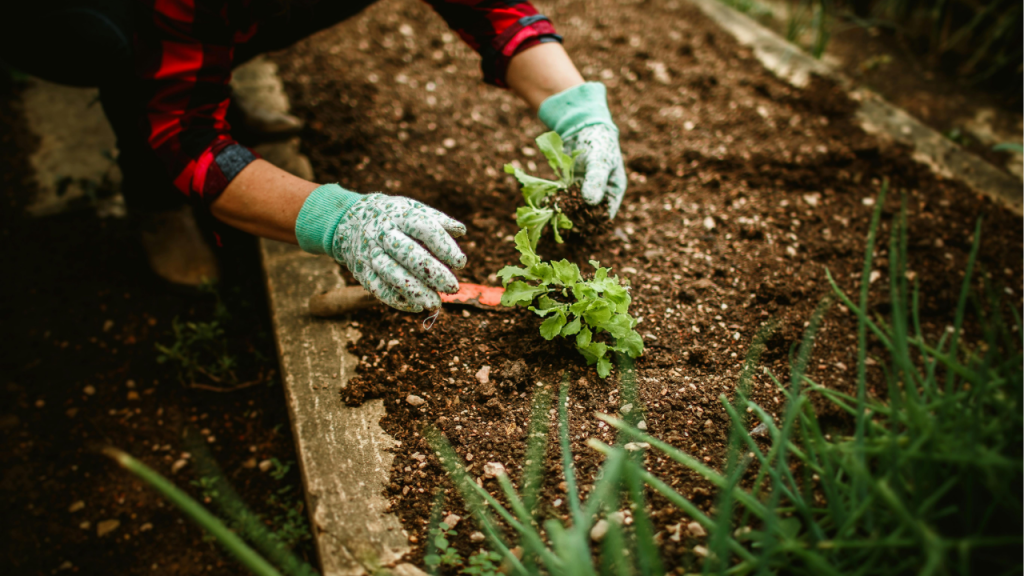
When you build tall raised beds, think carefully about how you’ll fill them. Filling a deep bed completely with quality soil can be costly and time-consuming.
You might use materials like straw or wood chips at the bottom to reduce the amount of soil needed. But be sure these layers won’t compact too much over time, affecting plant roots.
Choosing the right height helps your plants grow well and makes gardening easier on your back. Learn more about filling tall beds in these raised bed gardening do’s and don’ts.
Starting beds in spring instead of fall to let soil settle
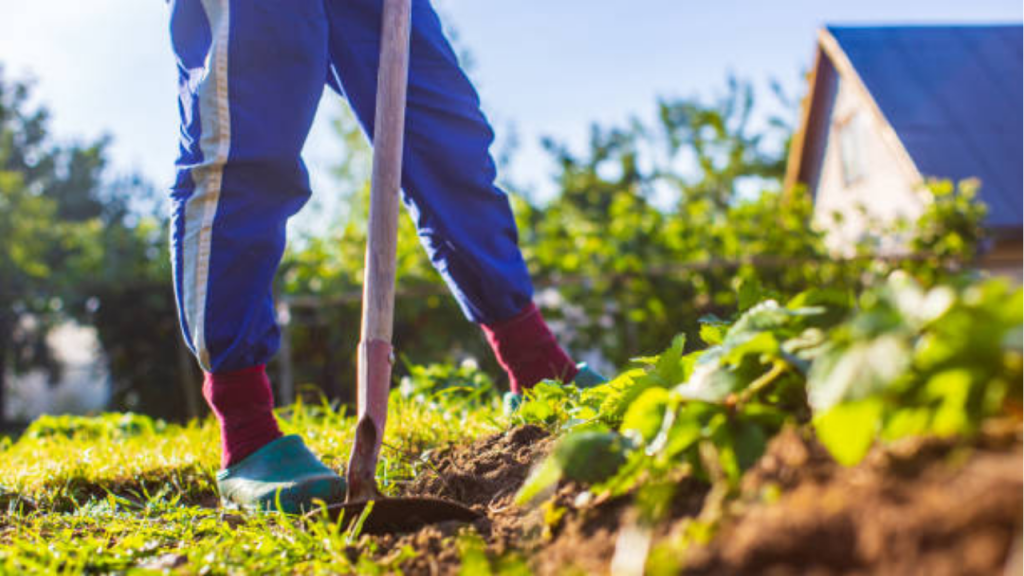
If you start building raised beds in spring, the soil may not settle properly before planting. This can cause uneven surfaces and poor drainage.
Starting beds in fall allows time for the soil to compact naturally over winter. When spring arrives, your soil will be more stable and ready for planting. This simple step helps set you up for healthier plants and easier gardening. For more tips, see advice on raised bed gardening timing.
Using railroad ties or treated wood that can leach chemicals
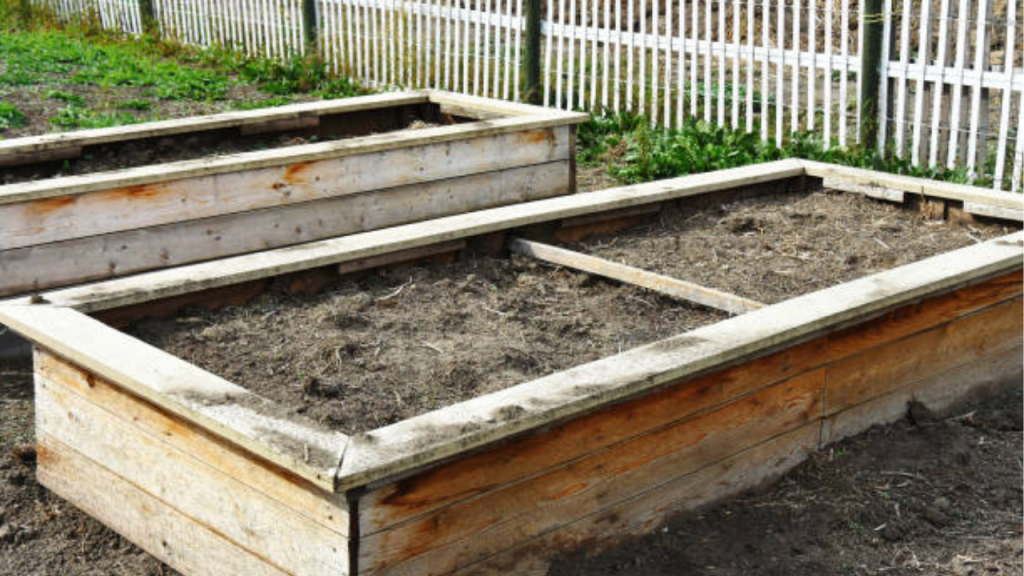
You might think railroad ties or treated wood are great because they’re sturdy and affordable. However, these materials often contain chemicals that can leach into your soil.
This could affect your plants and possibly your health. It’s safer to choose untreated or naturally rot-resistant wood for your raised beds. For more details, see why you should avoid railroad ties in gardens.
Failing to plan for drainage and water runoff
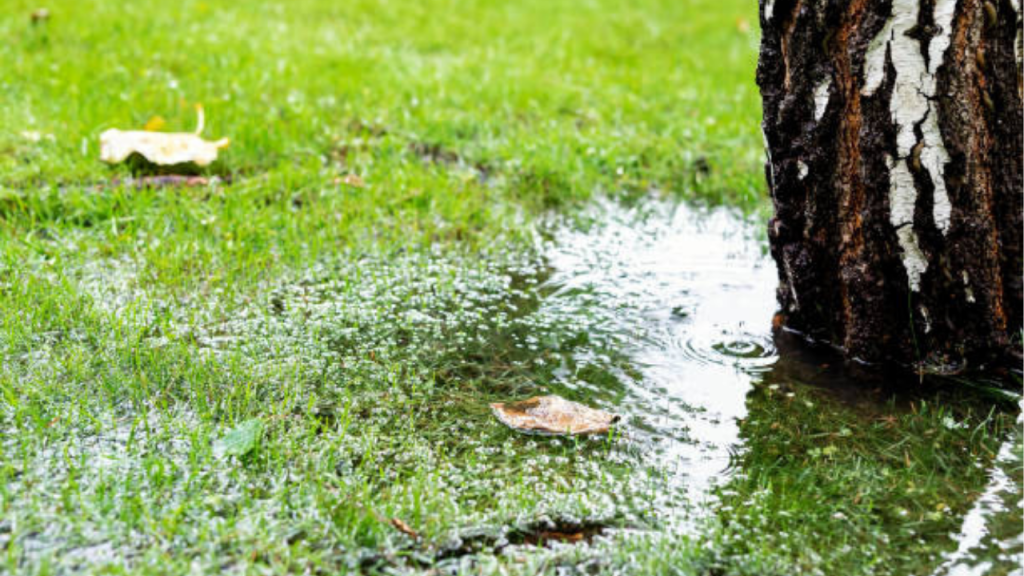
You need to make sure your raised beds have proper drainage. Without it, water can pool and harm your plants’ roots.
Consider how water flows around your garden spot. If runoff builds up, it can cause erosion or wash away soil.
Installing drainage holes or using well-draining soil helps keep water moving through your beds. This prevents soggy conditions that stunt plant growth.
Plan where excess water will go to protect your plants and maintain healthy soil. For more advice on gardening errors to avoid, check out 10 Common Raised Bed Garden Mistakes.
Leave a Reply